
Direct supply paths of critical amphoteric surfactant profiles engineered for high stability, low irritation index, and superior synergistic viscosity optimization.
The Berlin-Brandenburg metropolitan region has rapidly evolved into one of Europe's most dynamic clusters for modern biotechnology, chemical startups, and premium personal care manufacturing. As part of Germany's broader chemical transition (Chemiewende) towards bio-based and ecologically sustainable materials, procurement teams in Berlin are actively substituting standard petrochemical anionic surfactants with advanced zwitterionic (amphoteric) profiles. The demanding local marketplace requires materials that possess not only exceptional cleaning, wetting, and foaming characteristics but also absolute biodegradable profile compliance.
In Berlin, modern contract manufacturers (CMOs) and cosmetic brands face strict European regulations regarding eco-toxicity, dermatological compatibility, and wastewater discharge (governed by the German Federal Environment Agency - UBA). Traditional surfactants that present high aquatic hazards or contain residual toxic impurities are being phased out. Zwitterionic surfactants, which exhibit a zero net charge near neutral pH levels, provide the ultimate solution. Their dual ionic nature enables them to mitigate the skin irritation properties of harsh primary surfactants (like Sodium Laureth Sulfate), making them indispensable for clean-label, sensitive skin care formulations, and eco-certified household detergents marketed in Germany.
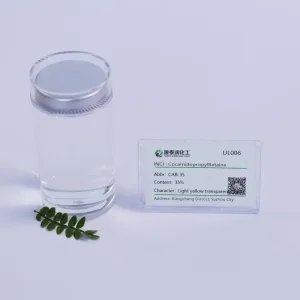
Amphoteric surfactants such as Cocamidopropyl Betaine (CAB-35), Lauryl Hydroxysultaine, and Sodium Lauroamphoacetate carry both positive (ammonium) and negative (carboxylate or sulfonate) charges on the same molecule. The exact behavior of these charges is highly dependent on the pH of the system:
The next decade of zwitterionic surfactant evolution is defined by two primary technological drivers: 100% bio-based carbon sourcing and the eradication of trace processing contaminants. Traditional synthesis of Cocamidopropyl Betaine relies on monochloroacetic acid (MCA) and dimethylaminopropylamine (DMAPA), which can leave trace quantities of free amines. Leading global chemical exporters are investing in synthesis technologies to guarantee near-zero free-amine levels (under 0.3% active basis) and negligible trace dioxane/monochloroacetic acid levels.
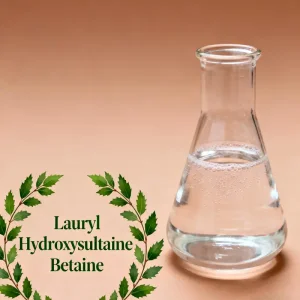
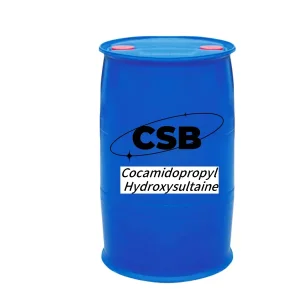
Furthermore, the technical roadmap integrates sultaine chemistry as a replacement for betaines in premium and industrial settings. Lauryl Hydroxysultaine (LHS) and Lauramidopropyl Hydroxysultaine represent the pinnacle of this shift. Possessing a sulfonate group instead of a carboxylate group, sultaines exhibit outstanding stability in hard water, high electrolyte concentrations, and strong acid/alkali environments. They do not precipitate in high salt concentrations and offer a superior foaming profile even in low-temperature water, directly aligning with Germany’s cold-water washing energy-conservation initiatives.
As a leading supplier in the daily chemical raw materials industry, Suzhou Yuantairun Chemical Co., Ltd. is dedicated to delivering high-quality products and comprehensive one-stop services to support our customers in R&D, production, and supply chain optimization.
Our mission is to drive innovation and efficiency in the global daily chemical industry by providing cutting-edge solutions tailored to our clients' needs. Founded in 2010, we have developed a collaborative network consisting of over 7,000 global partners, supported by an advanced specialized chemical R&D infrastructure and certified manufacturing plants.



We provide a comprehensive range of zwitterionic, anionic, and amino acid-based surfactants alongside thickeners and preservatives.

Equipped with advanced analytical instrumentation to offer comprehensive OEM/ODM formulation optimization and regulatory profiling.

Through robust raw material integrations, our chemicals are superior in quality while remaining highly cost-effective.

Optimized logistics and warehousing networks ensure that shipments arrive exactly when needed in your production cycles.
For European buyers, particularly in Berlin and Germany where energy and labor overheads have surged, sourcing chemical materials from advanced industrial hubs is a core strategic pillar. Our manufacturing facilities operate on a Factory 4.0 framework. Through automated continuous reaction chambers and computerized loop controls, we eliminate batch-to-batch deviations, ensuring that pH levels, dry residue values, and active matter concentrations remain locked to exact technical specifications.
Supply chain resilience is maintained through a diversified logistics protocol. Located in the chemical industrial cluster of Suzhou, China, we leverage multiple shipping corridors: ocean transport via major Chinese ports to Hamburg or Rotterdam, followed by direct inland waterway or rail transit to Berlin hubs. Alternatively, we utilize the New Silk Road railway (the Chengdu-Europe express line), reducing overland transit times to approximately 15-18 days. This provides Berlin customers with a faster alternative to traditional sea freight, securing inventory levels against global shipping disruptions.
Dermatologically sound and ecologically balanced chemical systems designed for high-performance personal care and industrial hygiene markets in Germany.

Utilizes SLES (Sodium Laureth Sulfate) and AOS (Sodium Alpha-Olefin Sulfonate) as core surfactants for high cleaning efficiency, paired with CMEA (Cocamide MEA) for rheological control. Biodegradable profile tailored for European environmental certifications.

Features Sodium Cocoyl Glutamate and Sodium Lauroyl Sarcosinate for gentle skin cleansing. Ideal for natural and sensitive skin formulations, offering ECOCERT compatibility to satisfy EU organic cosmetics demands.

Formulated with cationic surfactant Cetrimonium Chloride (1631) for fabric softening and anti-static properties. Highly concentrated to reduce packaging footprint and support energy-efficient cold-water washes.

Combines Cocamidopropyl Betaine (CAB-35) and non-ionic Lauryl Glucoside (APG1214) to build a sulfate-free, rich lather. Designed for infant care and sensitive skin applications.

Powered by Linear Alkylbenzene Sulfonate (LAS) and Glycol Distearate (EGDS) for rapid breakdown of greasy soils. Highly dilutable and formulated for industrial wastewater treatment compliance.
Customization services designed to match specific regional target markets, regulatory boundaries, and processing constraints.
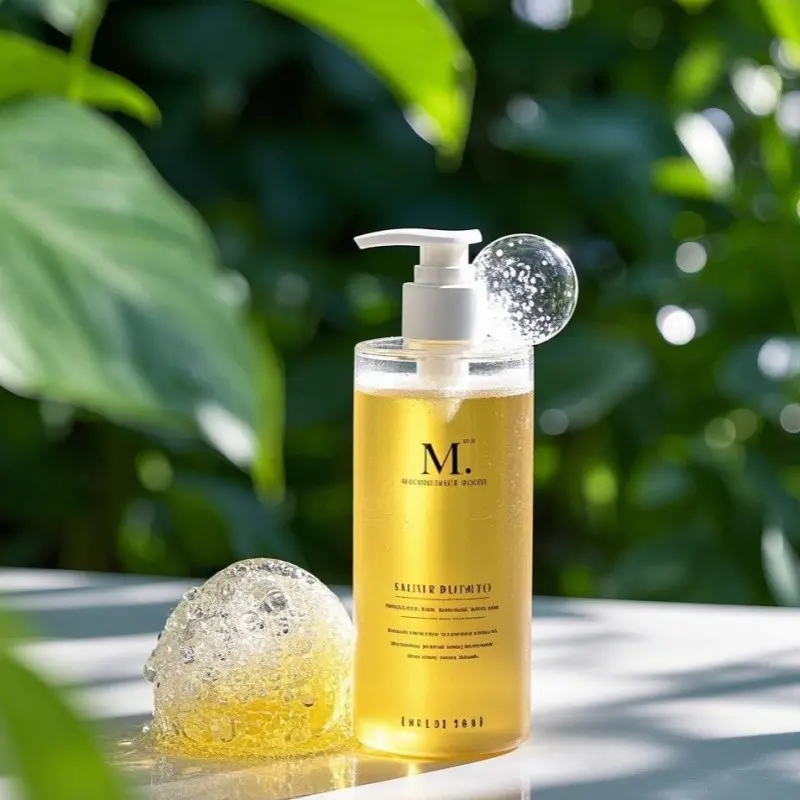

Tailored formulations designed for commercial hospitality, professional salons, or mass-market retail, matching specific viscosity, color, and fragrance demands.
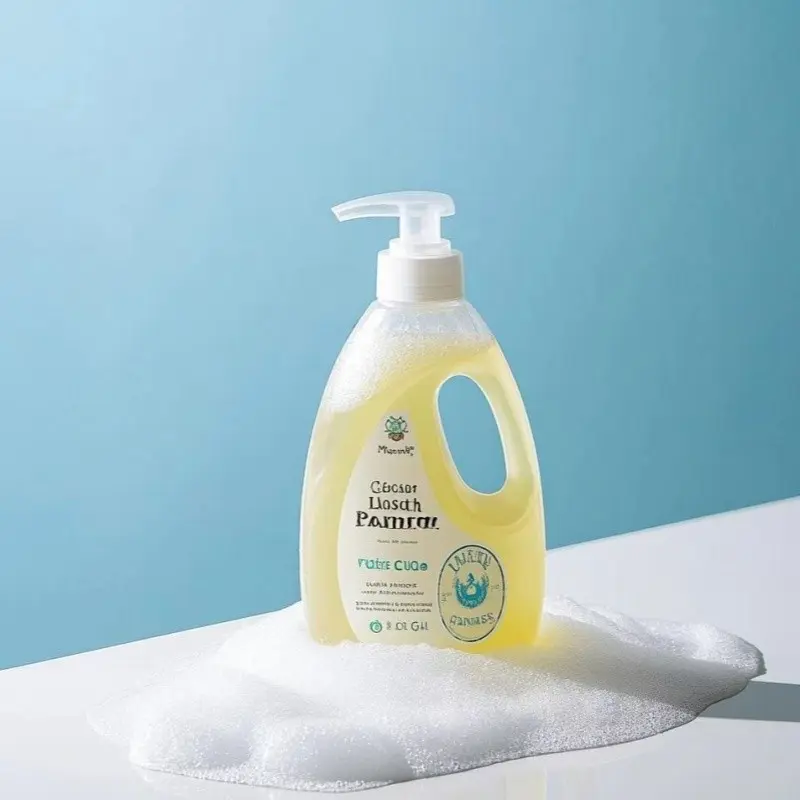
Flexible variations in active matter density, fragrance stabilization, and enzyme compatibility to satisfy consumer and commercial laundry requirements.
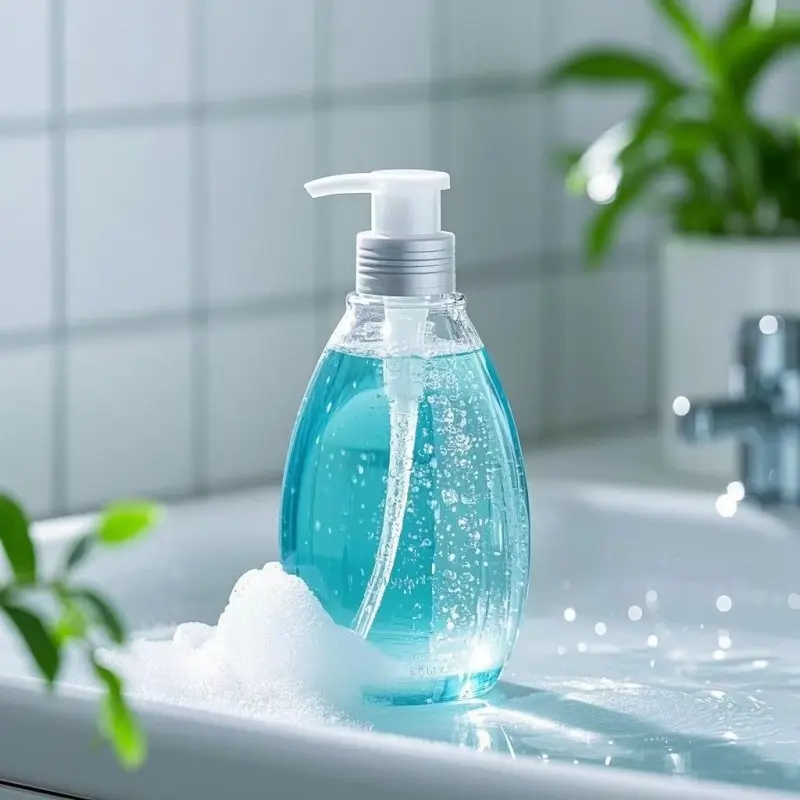
Optimized skin-mildness profiles ideal for shopping malls, restaurants, and retail spaces. Highly compatible with automated dispensing systems.
Importing chemical precursors into the European Union demands strict adherence to dynamic regulatory frameworks. All raw materials exported by Suzhou Yuantairun Chemical Co., Ltd. are processed to meet European regulatory requirements. We verify that all zwitterionic surfactants, amine oxides, and chelating agents shipped to Germany are compliant with the following standards:
Stay updated on new molecule developments, biological testing results, and advanced formulating guides.
Enhances formulation mildness and adds a conditioning feel to skin and hair cleansing products.
Formulated to generate rich lather even in the presence of natural oils, ideal for sulfate-free scalp treatments.
A high-purity skin emollient featuring exceptional spreadability and compatibility with cosmetic formulations.
Explore our complete selection of zwitterionic, amphoteric, anionic, and specialty cosmetic raw materials available for bulk shipping to Berlin.
Technical guidance and application insights from our lab directors and compliance officers.
A: Zwitterionic surfactants (such as Cocamidopropyl Betaine) form mixed micelles with anionic surfactants like SLES. The incorporation of zwitterionic headgroups into these micelles lowers the net charge density of the micellar structure and decreases the monomer concentration of free anionic surfactants. As a result, the surfactant penetrates the stratum corneum less aggressively, reducing cellular disruption and skin irritation.
A: Betaines are carboxylated amphoterics, meaning their ionic properties are sensitive to pH changes. Sultaines, such as Lauryl Hydroxysultaine, utilize a sulfonic acid group. This sulfonate structure remains fully ionized across a wider pH spectrum, providing superior stability in strong acid, high alkali, and hard water environments, as well as maintaining foaming performance in cold temperatures.
A: We use continuous vacuum reaction processes and real-time monitoring of free amine indices. This ensures our CAB-35 and Lauryl Hydroxysultaine contain under 0.3% free amine, preventing the formation of carcinogenic nitrosamines in formulated cosmetic products.
A: For every batch exported to the EU, we provide a Certificate of Analysis (COA), Safety Data Sheets (SDS) in German/English compliant with CLP regulations, Bill of Lading, Packing Lists, and commercial invoices. We also verify REACH registration details to ensure smooth customs clearance at German entry points.
Ready to consult with our chemical formulation engineers?
Send Inquiry Now