Explore our highly-refined compound portfolio designed for advanced cosmetics, skincare, and home care formulations.
In the modern landscape of high-performance personal care formulation, 2-Octanediol (scientifically designated as 1,2-Octanediol or Caprylyl Glycol, CAS NO.: 1117-86-8) has emerged as an indispensable multifunctional ingredient. Bridging the gap between intensive moisturization and robust antimicrobial defense, it serves as a critical component in "preservative-free" or clean-beauty claims. As global regulatory bodies increasingly restrict traditional preservatives like parabens, formaldehyde donors, and isothiazolinones, the demand for non-traditional, green-profile stabilizers has surged. This whitepaper analyzes the molecular attributes, application methodologies, procurement metrics, and regulatory profiles of high-purity 2-Octanediol.
Chemically, 2-Octanediol is a vicinal diol containing a linear carbon chain of eight carbon atoms with hydroxyl groups on the first and second carbon positions. This specific configuration gives the molecule an amphiphilic structure, possessing a lipophilic alkyl tail and a hydrophilic diol head. This balanced polarity allows it to function effectively at the oil-water interface of emulsions.
| Property | Standard Specifications |
|---|---|
| Chemical Name | 1,2-Octanediol / Caprylyl Glycol / 2-Octanediol |
| CAS Registry Number | 1117-86-8 |
| Molecular Formula | C8H18O2 |
| Purity (GC analysis) | ≥ 99.5% |
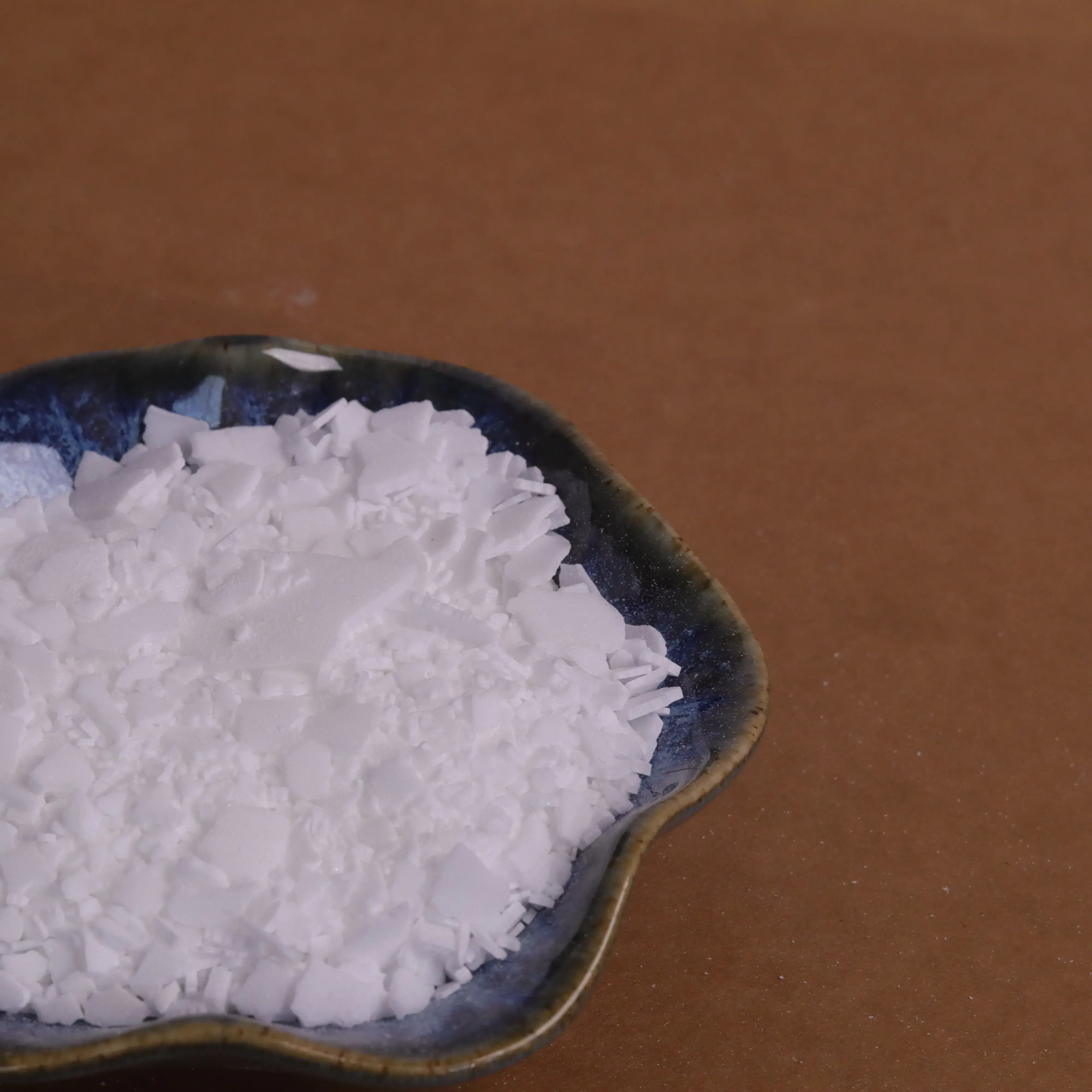
| Appearance | White waxy solid to clear liquid (above melting point) |
| Melting Point Range | 36°C – 39°C |
| Recommended Use Dosage | 0.3% – 1.0% |
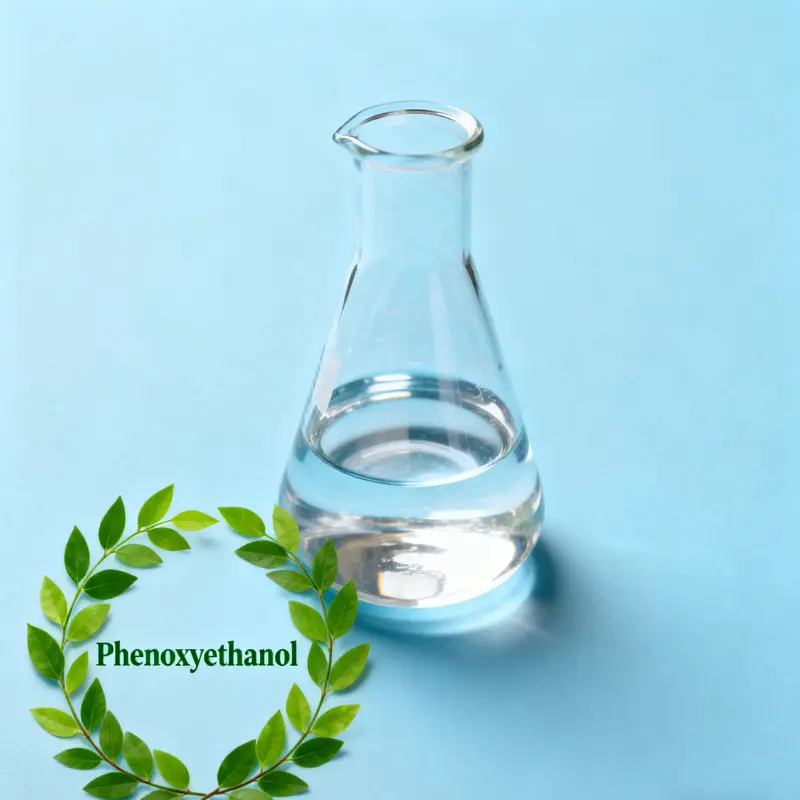
The antimicrobial boosting action of 2-Octanediol is physical rather than chemical. It works by decreasing the surface tension of water and interacting directly with the cell walls and membranes of microorganisms. By inserting its lipophilic tail into the lipid bilayers of bacterial and fungal cell membranes, it disrupts their structural integrity. This leads to cell leakage, loss of electrical potential, and ultimately, cell death. In formulation, this biophysical action dramatically increases the efficacy of co-preservatives (such as Phenoxyethanol, Ethylhexylglycerin, or organic acids), allowing formulators to lower the total concentration of traditional biocides.
Unlike traditional harsh preservatives, 2-Octanediol offers skin-conditioning properties that improve the sensory profile of creams, lotions, and serums. Because of its medium-chain alkyl structure, it spreads quickly on the stratum corneum, providing immediate hydration and reducing trans-epidermal water loss (TEWL). When incorporated into emulsions, it acts as a mild wetting agent, improving slip, reducing soaping effects during application, and leaving a velvety, non-greasy after-feel.
From a procurement perspective, global buyers must source 2-Octanediol that is highly pure and low-odor. Raw materials with trace impurities of octene or other aldehydes can cause color changes and off-odors in final cosmetic formulas. Suppliers must also adhere strictly to global chemical inventories.
While 2-Octanediol is highly effective, it has a melting point of 36°C-39°C, which can cause crystallization or destabilization if formulated incorrectly.
Providing the global personal care market with reliable chemical raw materials and comprehensive support.
We provide a comprehensive range of cosmetic surfactants, emulsifiers, and thickening agents, helping you simplify your supply chain.
Our dedicated R&D lab provides full ODM/OEM customization, formulation testing, stability analysis, and customized compounding.
We leverage advanced logistics and inventory management to ensure your raw materials arrive exactly when you need them.
Providing high-purity, environmentally friendly surfactant formulations tailored to your performance requirements.
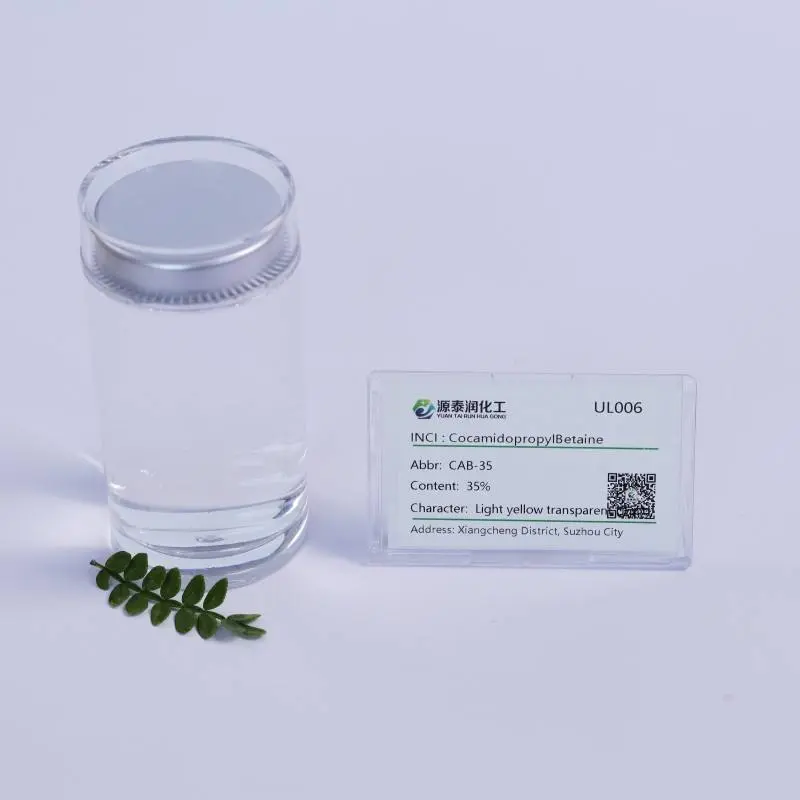
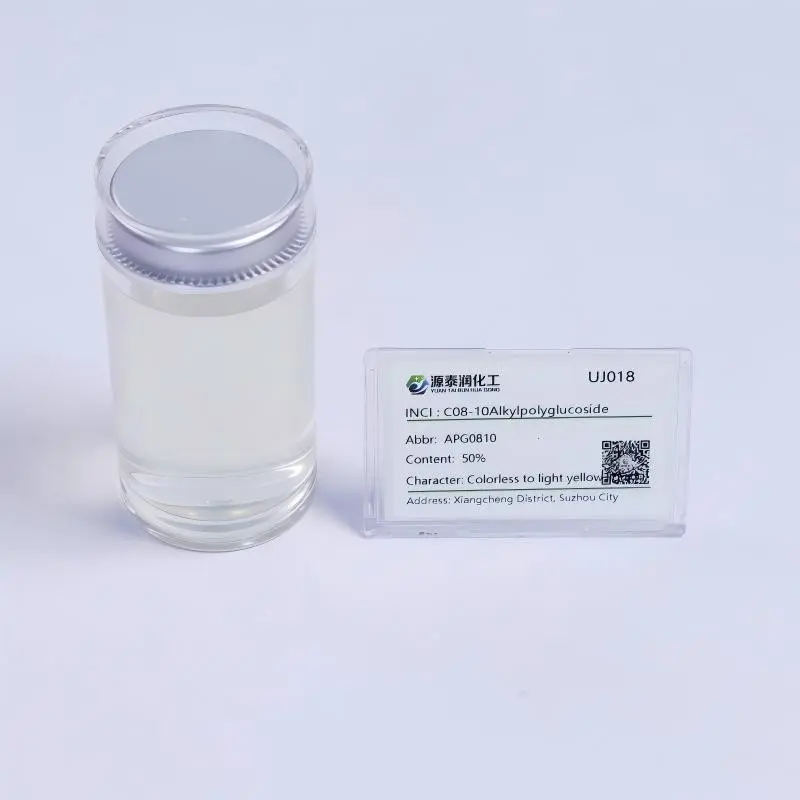
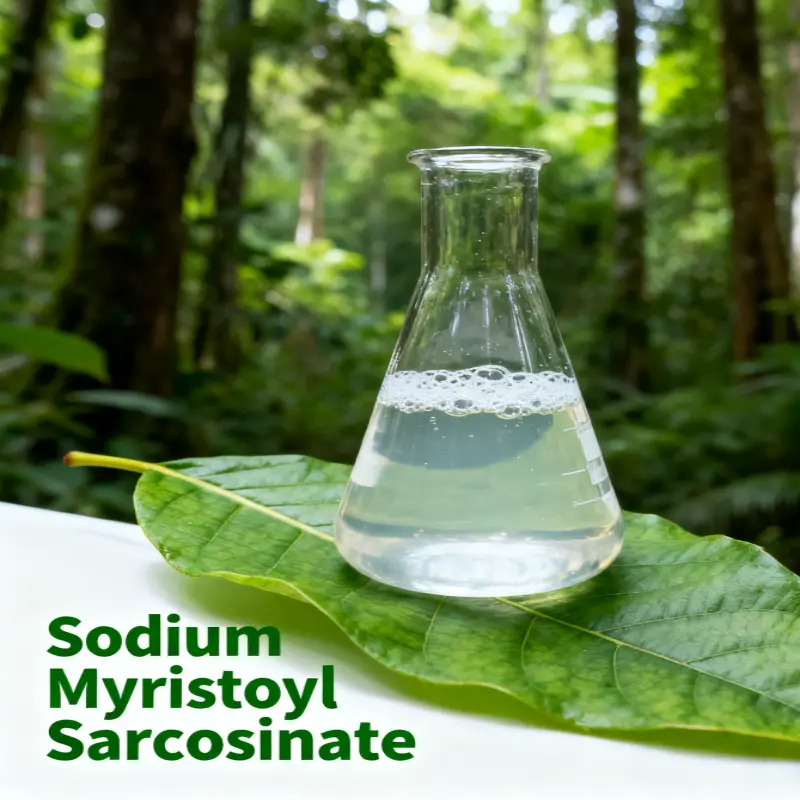
How our surfactants and ingredients perform in actual product formulations.
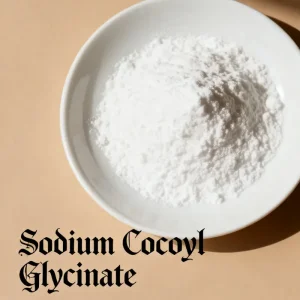
Features: Sodium Cocoyl Glutamate & Sodium Lauroyl Sarcosinate.
Benefits: Delivers an ultra-mild cleanse, ideal for sensitive skin. These natural amino acid surfactants form a dense, easy-to-rinse lather while retaining skin moisture.
Features: SLES & AOS surfactants paired with CMEA thickener.
Benefits: Delivers deep cleaning and rich foam. This biodegradable, mild formula helps minimize skin irritation while keeping cleaning performance high.
Features: Cetrimonium Chloride (1631 70).
Benefits: Provides excellent conditioning, softening, and anti-static performance. This concentrated format helps reduce packaging and transportation costs.
Common technical questions answered by our chemical applications and engineering team.
Contact Suzhou Yuantairun Chemical today to request samples, specifications, or customized formulation support.
Inquiry NowQuality ingredients for skin care, hair care, and home care formulations.