Explore our premium grade chemical intermediates engineered for superior foaming, wetting, emulsifying, and conditioning properties in personal and industrial care applications.
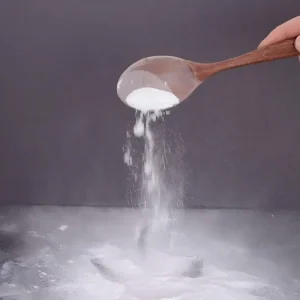
In the global personal care and industrial cleaning sectors, the choice of surfactants and conditioners dictates the performance, stability, and dermatological profile of the final formulation. Traditionally, the hair care industry relied almost exclusively on cationic surfactants—such as Behentrimonium Methosulfate (BTMS) and Cetrimonium Chloride—due to their natural electrostatic affinity with negatively charged keratin fibers. However, the rise of multi-functional, mild, and skin-friendly formulations has triggered a paradigm shift. Today, anionic conditioners and optimized anionic-cationic coacervation complexes play a pivotal role in delivering premium conditioning, soft feel, and reduced skin irritation.
Anionic surfactants such as Sodium Stearoyl Glutamate and Sodium Lauroyl Sarcosinate carry a net negative charge. While they do not directly bind to keratin like cationic conditioning agents, they are critical components in creating polymeric coacervation systems. When formulated alongside cationic deposition polymers (like Guar Hydroxypropyltrimonium Chloride), anionic conditioners undergo phase separation upon dilution. This deposits a microscopic, breathable lipid barrier on hair shaft cuticles and skin surfaces. This mechanism delivers exceptional combability, flyaway control, and moisture retention without causing heavy build-up.
The global demand for high-purity anionic conditioners and mild surfactant blends is experiencing rapid growth, driven by regional consumer habits and strict regulatory updates:
Sourcing managers must understand how different chemical families compare. Finding the right balance between foaming, mildness, viscosity enhancement, and cost is critical when scaling production. Below is a comparative technical matrix mapping key performance indicators (KPIs) of top-tier anionic and auxiliary conditioning agents:
| Chemical Name / CAS No. | Ionic Class | Primary Function | Mildness & Dermatological Profile | Optimal pH Range |
|---|---|---|---|---|
| Sodium Methyl Lauroyl Taurate (4337-75-1) | Anionic | Primary Surfactant, Dense Foamer | Excellent (Hypoallergenic) | 5.5 - 7.5 |
| Disodium Laureth Sulfosuccinate (39354-45-5) | Anionic | Co-Surfactant, Conditioning Booster | Very High (Sulfate-Free Alternative) | 6.0 - 7.0 |
| Sodium Stearoyl Glutamate (38517-23-6) | Anionic | Emulsifier, Mild Conditioner | Superior (Biocompatible Amino Acid) | 5.0 - 8.0 |
| Behentrimonium Methosulfate (BTMS) (81646-13-1) | Cationic | Primary Hair Detangler, Anti-Static | Moderate (Excellent skin feel, low irritation) | 3.5 - 6.0 |
| Sodium Lauroyl Sarcosinate (137-16-6) | Anionic | Foam Booster, Wet Combability Enhancer | High (Low protein denaturation index) | 5.0 - 7.5 |
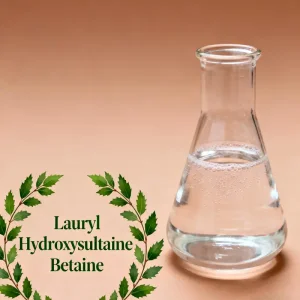
| Lauryl Hydroxysultaine (13197-76-7) | Amphoteric | Viscosity & Foam Stabilizer | Excellent (Synergizes with Anionics) | 4.0 - 9.0 |
Formulating shampoos without SLS/SLES often leads to flat foam and poor combability. Combining Sodium Lauroyl Sarcosinate with Disodium Laureth Sulfosuccinate provides a rich lather, while preserving natural hair lipids and extending hair color life.
Sensitive skin formulations use amino-acid surfactants like Sodium Stearoyl Glutamate. These surfactant complexes cleanse the skin barrier gently, avoiding the tight feeling often caused by harsh anionic cleaners.
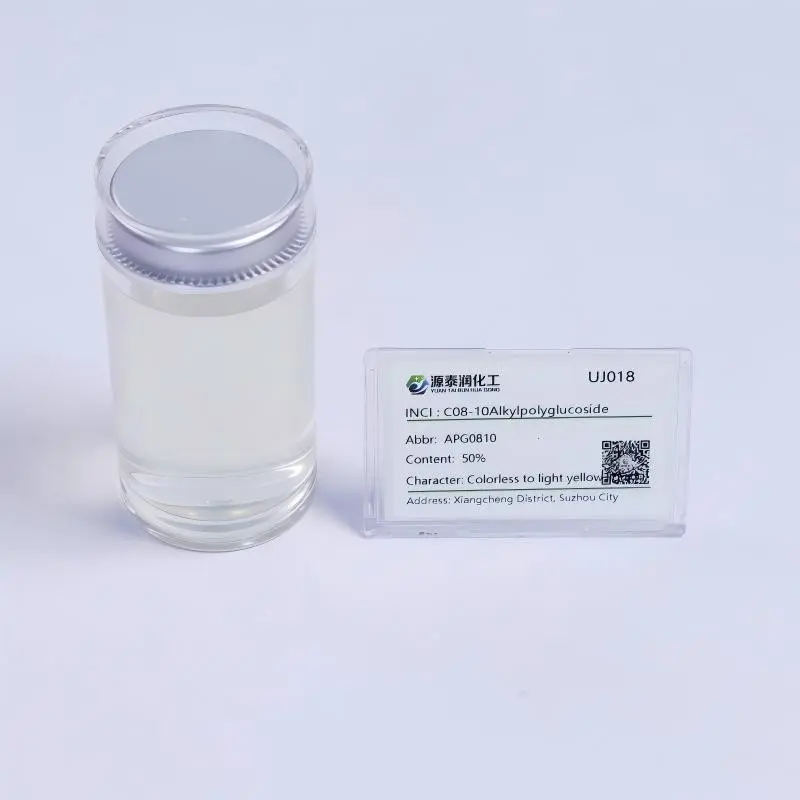
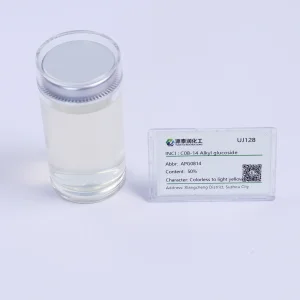
Modern laundry liquids and dishwashing formulas use mild anionic surfactants combined with nonionic sugar esters (like APG0810 and Cocoyl Glucoside) to remove grease while protecting the hands.
Our mission is to drive innovation and efficiency in the global daily chemical industry by providing cutting-edge solutions tailored to our clients' needs.
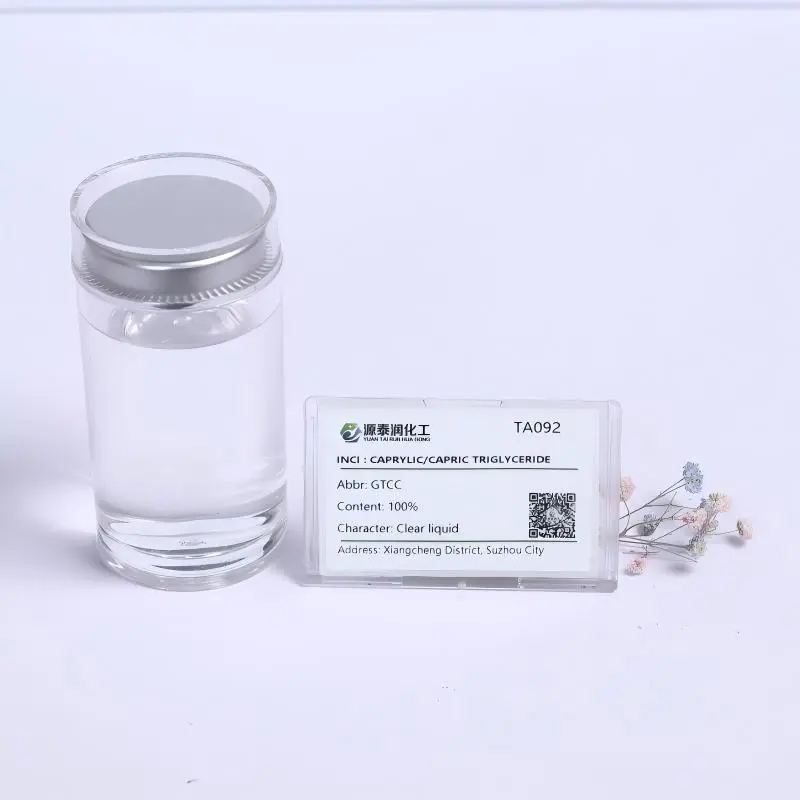
As regulatory bodies in the EU, the US, and China enforce stricter limits on trace contaminants—such as residual 1,4-Dioxane, free Ethylene Oxide, and nitrosamines—chemical factories must adapt. This technological roadmap outlines the path toward next-generation anionic conditioners and surfactants:
We assure you that our products originate from well-managed and sustainable resources, backed by advanced manufacturing and formulation expertise.
We provide a comprehensive chemical portfolio designed to simplify your sourcing process. This covers everything from primary anionic surfactants to amphoterics, nonionics, functional thickeners, and preservatives.
Our dedicated R&D team provides full ODM and OEM services. We can help you adjust formulation viscosity, foam volume, and mildness parameters to meet the demands of your target market.
Through vertically integrated manufacturing processes and optimized logistics networks, we offer high-purity chemical ingredients at competitive, factory-direct prices.
Our global supply chain network ensures raw materials and finished products arrive on time, helping you minimize inventory costs and optimize production schedules.
As a leading supplier in the daily chemical raw materials industry, Suzhou Yuantairun Chemical Co., Ltd. is dedicated to delivering high-quality products and comprehensive one-stop services to support our customers in R&D, production, and supply chain optimization. Our mission is to drive innovation and efficiency in the global daily chemical industry by providing cutting-edge solutions tailored to our clients' needs.
Founded In
Cooperative Partners Worldwide

Explore formulated applications utilizing our advanced anionic, cationic, nonionic, and amphoteric systems.
Uses SLES and AOS as core cleaning surfactants to build high-performance laundry systems. Combined with Cocamide MEA (CMEA) to optimize viscosity, this mild formula delivers strong cleaning performance while minimizing skin irritation.
 Washing Powder
Formulated with Sodium Cocoyl Glutamate and Sodium Lauroyl Sarcosinate. This surfactant system produces a fine, dense lather that cleanses without stripping moisture. These ingredients meet the clean beauty requirements of premium markets.
 Facial Cleanser
Utilizes Cetrimonium Chloride (1631 70) to deliver anti-static properties and fabric softness. The concentrated formulation is compatible with cold-water wash cycles, helping brands reduce packaging, transport, and energy costs.
 Fabric Softener
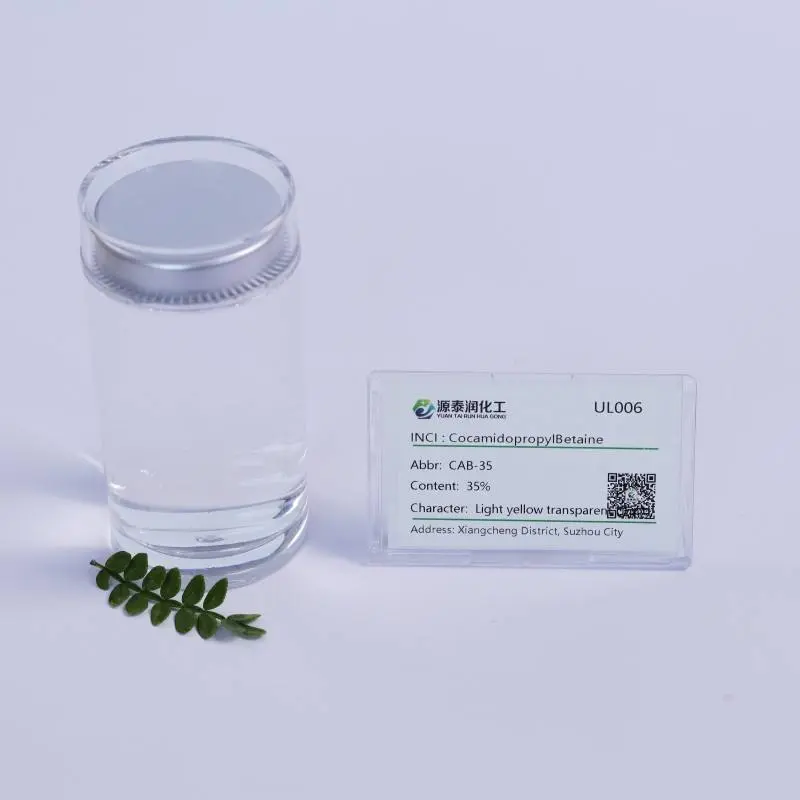
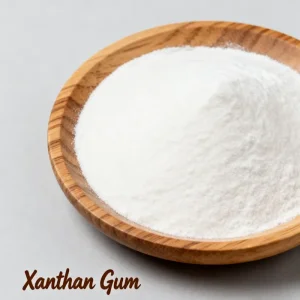
Combines amphoteric CAB-35 (Cocamidopropyl Betaine) and nonionic APG1214 (Lauryl Glucoside) to produce a rich, easy-to-rinse lather. This sulfate-free base is suitable for sensitive skin. Viscosity is stabilized with Xanthan Gum.
 Shower Gel
Formulated with LAS (Linear Alkylbenzene Sulfonate) and solvent interfaces (EGDS). This system provides quick degreasing for vehicle maintenance and industrial cleaning. Its high concentration allows for cost-effective dilution.

Explore customized formulation and packaging solutions tailored for retail, commercial, and professional markets.
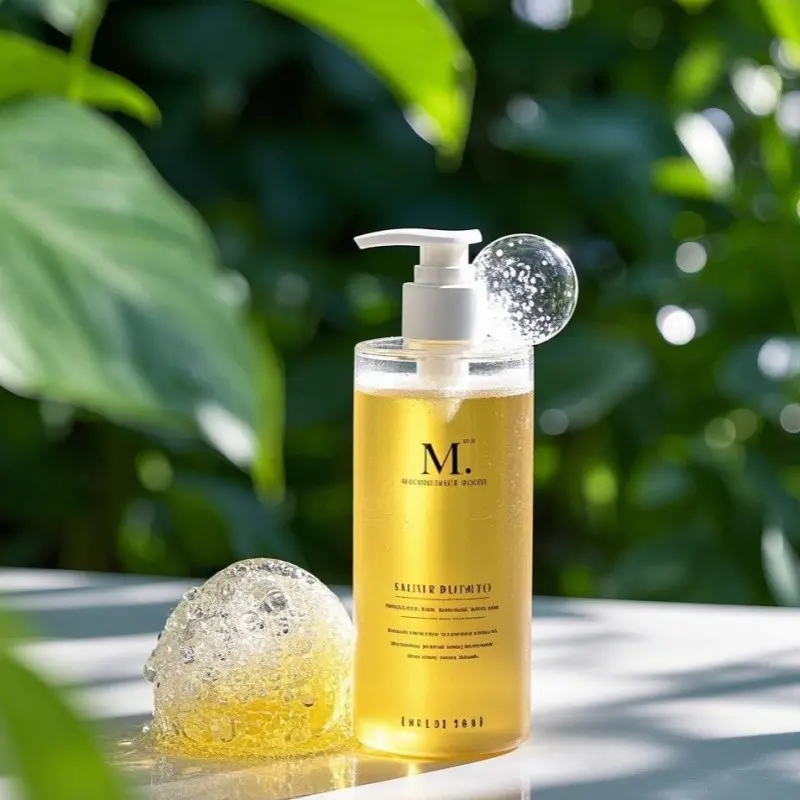
Tailored formulations and packaging options designed for hospitality, professional salons, and consumer retail brands.
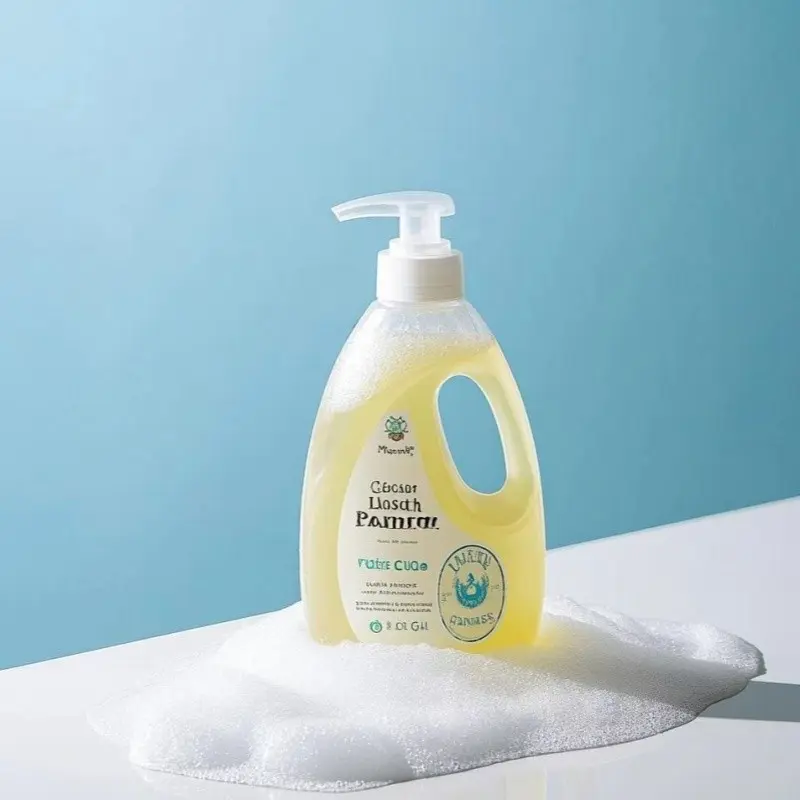
Customized fragrance profiles, active concentration levels, and packaging formats tailored to local consumer markets.
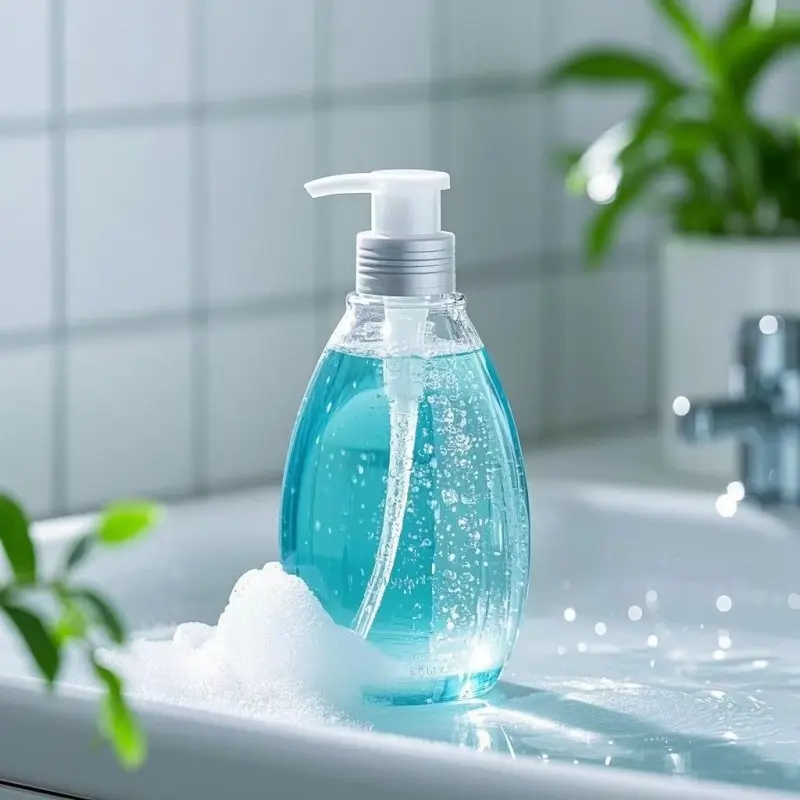
Mild skin-friendly liquid hand soaps designed for office buildings, restaurants, shopping malls, and consumer retail.
Exporting chemical raw materials globally requires strict compliance with international regulations. Suzhou Yuantairun Chemical ensures all products meet local trade and safety standards:
Our key surfactant products—such as Dipotassium Glycyrrhizinate and Sodium Lauroyl Sarcosinate—are REACH registered, enabling smooth distribution in the European Union.
Our bio-based surfactants are designed to align with COSMOS and ECOCERT standards, meeting the regulatory requirements for natural cosmetics formulation.
We provide full batch documentation, including certificates of analysis (COA), safety data sheets (SDS) compliant with GHS, and raw material origin certificates.
Find technical answers regarding surfactant chemistry, formulation compatibility, and order shipping details.
Anionic surfactants do not directly bind to keratin due to electrostatic repulsion. However, in modern conditioning systems, they are combined with cationic polymers (such as cationic guar gum or Polyquaternium-10) to form a coacervate complex. During rinsing, this complex deposits a conditioning layer on the hair, providing smoothing and detangling benefits.
Sulfate-free systems built with amino acid surfactants do not respond well to simple salt (NaCl) thickening. To build viscosity in these systems, formulators combine amphoteric co-surfactants (like Lauryl Hydroxysultaine) with nonionic thickeners (such as Cocamide DEA or Xanthan Gum). This approach builds a stable, shear-thinning micellar structure.
Derived from natural coconut oil and glutamic acid, Sodium Cocoyl Glutamate has a low protein denaturation index. Unlike traditional surfactants, it cleanses without stripping the skin's lipid barrier or damaging keratin, making it ideal for eczema-prone or sensitive skin.
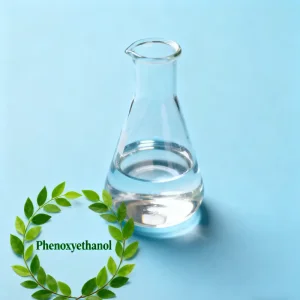
Using Phenoxyethanol alongside 1,2-Octanediol creates a synergistic preservative system. Phenoxyethanol targets gram-negative bacteria, while 1,2-Octanediol acts as a moisturizing booster that disrupts microbial cell membranes. This combination allows formulators to use lower concentrations of preservatives while maintaining broad-spectrum protection.
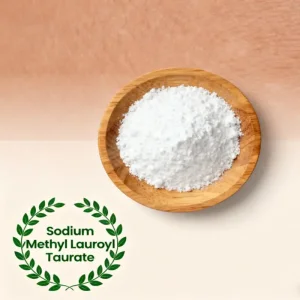
We offer flexible packaging configurations based on raw material states. Liquids (such as CAPB and Sodium Lauroyl Sarcosinate) are typically shipped in 200kg plastic drums or 1000kg IBC totes. Powders (such as Sodium Methyl Lauroyl Taurate 91% and Sodium Stearoyl Glutamate 95%) are shipped in 25kg fiber drums with moisture-barrier PE inner liners.
Explore our secondary selection of high-purity chemical bases, amphoteric intermediates, and thickening agents designed for personal care, home care, and industrial formulations.
Stay up to date with the latest innovations in cosmetic chemistry, surfactant applications, and regulatory compliance.
Discover SCI85—a powder surfactant designed to deliver a gentle, refreshing wash feel with excellent foam stability.
An amino acid-based surfactant engineered specifically for clarifying shampoos and facial cleansers.
A skin-conditioning emollient with excellent pigment dispersing properties, ideal for creams and makeup bases.
Connect with our engineering and sales teams to request product samples, certificates of analysis, or custom formulation support.
Contact Our Specialists