Explore our high-purity, environmentally stable, and functional anionic surfactants tailored for modern formulations.
A Comprehensive Industry Guide on the Optimization, Chemistry, and Industrial Application of Modern Anionic Surfactants.
In the contemporary global chemical landscape, the demand for high-purity anionic surfactants has shifted from simple foaming agents to multi-functional, highly biological, and eco-compatible compounds. Buyers and formulators no longer search merely for basic SLES or SLS; they require advanced chemical intelligence detailing Critical Micelle Concentration (CMC) thresholds, ecological compatibility, and dermatological safety parameters.
This whitepaper acts as an expert guide on how Suzhou Yuantairun Chemical Co., Ltd. addresses the evolving technological routes, integrating Factory 4.0 automation, comprehensive regulatory documentation, and innovative custom synthesis to serve personal care, home care, and high-performance industrial cleaning applications.
Transitioning from petrochemical chains to bio-based lipid models, minimizing residual 1,4-Dioxane levels below 5 ppm, and leveraging advanced plant-derived fatty acids for minimal Environmental Impact Quotient (EIQ).
Addressing the complex interaction between anionic and amphoteric surfactants (e.g., Sodium Methyl Cocoyl Taurate combined with Cocamidopropyl Betaine) to maximize foam density while reducing structural skin irritation indexes.
Pioneering preservative-free, amino-acid based surfactant powders and liquids that preserve skin barriers, prevent protein denaturation, and reduce trans-epidermal water loss (TEWL).
The manufacturing process of anionic surfactants has entered a pivotal transition phase. While traditional ethoxylated products like SLES 70% remain staples in low-cost, high-performance industrial detergents due to their unmatched cost-efficiency, the personal care and premium home care sectors are undergoing rapid restructuring.
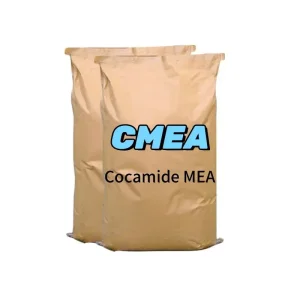
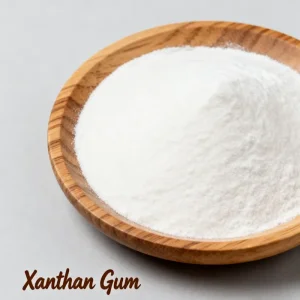
The primary technological challenge in transitioning to green chemistry lies in replicating the rheological behavior (viscosity-building characteristics) of ethoxylated sulfates. Modern R&D centers leverage Sodium Methyl Cocoyl Taurate (95% Powder) and Sodium Lauroyl Glutamate as primary surfactants, matching viscosity with natural thickening polymers like high-transparency Xanthan Gum and Cocamide MEA. These systems require complex micellar engineering, balancing hydrophobic chain lengths to optimize the packing parameter of the mixed surfactant micelles.
| Surfactant Chemical Name | CAS Number | Active Matter (%) | Primary Industrial Advantage | Ecotoxicity & Biodegradability |
|---|---|---|---|---|
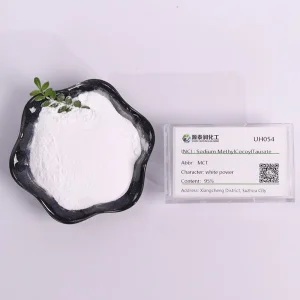
| Sodium Methyl Cocoyl Taurate | 61791-42-2 | ≥ 95% (Powder) | Excellent foaming in hard water, mild on skin, preservative-free | Rapidly biodegradable, zero aquatic accumulation |
| Sodium Lauroyl Glutamate | 29923-31-7 | ≥ 95% (Powder) | Premium skin feel, hypo-allergenic, ideal for sensitive skin | 100% bio-based, breaks down into natural amino acids |
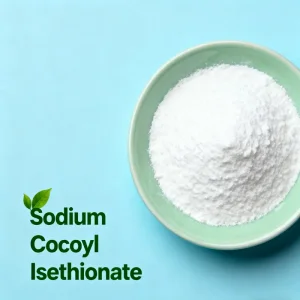
| Sodium Cocoyl Isethionate (SCI) | 61789-32-0 | ≥ 85% (Powder) | "Baby-foam" texture, high density, dense creamy lather | Sulfate-free, highly eco-compatible |
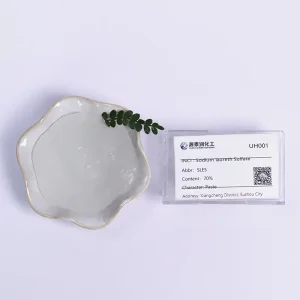
| Sodium Lauryl Ether Sulfate (SLES) | 68891-38-3 | 70% (Paste) | Highest cost-to-performance ratio, massive foaming capacity | Requires monitoring for trace 1,4-Dioxane |
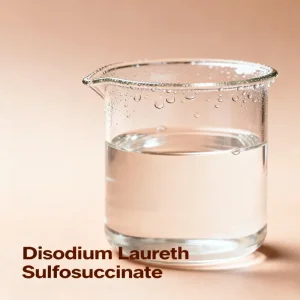
| Disodium Laureth Sulfosuccinate | 39354-45-5 | 30% (Liquid) | Ultra-mild co-surfactant, reduces irritation of other anionic systems | Excellent eco-profile, non-irritating to eyes |
Modern manufacturing demands modular, drop-in surfactant mixtures that satisfy strict functional profiles. Different application spaces necessitate radically diverse micellar systems:
As a leading supplier in the daily chemical raw materials industry, Suzhou Yuantairun Chemical Co., Ltd. is dedicated to delivering high-quality products and comprehensive one-stop services to support our customers in R&D, production, and supply chain optimization. Our mission is to drive innovation and efficiency in the global daily chemical industry by providing cutting-edge solutions tailored to our clients' needs.
Our production facilities utilize advanced automated ethoxylation and sulfonation technology. Under strict Industry 4.0 frameworks, all key parameters—such as reaction temperature, sulfur trioxide/air ratios, and neutralization pH values—are monitored in real-time by integrated digital systems. This guarantees batch-to-batch consistency, eliminating the variance in viscosity and active matter content that often disrupts large-scale automated packaging lines.
Located in the Yangtze River Delta, our logistics network provides robust supply chain security. Close proximity to major shipping ports like Shanghai guarantees efficient routing, container availability, and rapid customs clearance. This strategic advantage ensures that international buyers receive their materials precisely when needed, minimizing warehouse holding costs and supply chain disruptions.
Exporting chemical materials demands rigorous adherence to international chemical laws. Suzhou Yuantairun provides extensive regulatory support to ensure smooth entry into global markets:
Contact Yuantairun's engineering team today for technical data sheets (TDS), safety data sheets (SDS), and custom samples tailored to your product specifications.
Request Technical Samples & QuotesHow our surfactants act as core functional building blocks across domestic and industrial chemical formulations.
Uses SLES (Sodium Laureth Sulfate) and AOS (Sodium Alpha-Olefin Sulfonate) as core surfactants for superior cleaning and rich foam. Combined with thickener CMEA (Cocamide MEA) for optimal viscosity and user experience. Eco-friendly and mild formula, compliant with international standards, reduces skin irritation while maintaining strong cleaning performance.
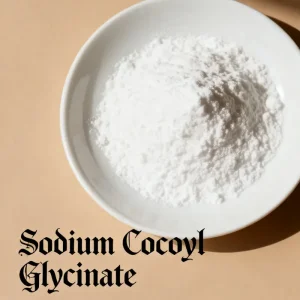
Features Sodium Cocoyl Glutamate and Sodium Lauroyl Sarcosinate for ultra-mild cleansing, ideal for sensitive skin. Natural amino acid-based surfactants produce fine, easy-to-rinse foam while retaining moisture. Certified by ECOCERT, meeting the demand for clean beauty in premium markets.
Utilizes cationic surfactant ester quaternary ammonium salt for enhanced fabric softness and anti-static properties. Concentrated formula reduces packaging and transportation costs, improving sustainability. Compatible with cold-water washing, supporting energy-efficient laundry practices.
Suzhou Yuantairun Chemical Co., Ltd. has established itself as an innovative partner in the daily chemical raw materials industry. By offering integrated R&D, advanced laboratory analysis, and responsive customer service, we deliver custom solutions tailored to our customers' production needs.
Professional answers to common questions about anionic surfactants, regulatory compliance, and formulation stability.
Complete your formulations with our range of high-performance thickeners, mild stabilizers, and specialty conditioning agents.