Premium raw materials engineered for modern cosmetic, personal hygiene, and surfactant formulations.
Dodecylbenzene Sulfonate (primarily in the form of Linear Alkylbenzene Sulfonate - LAS, or Sodium Dodecylbenzene Sulfonate - SDBS) stands as the undisputed workhorse surfactant of the global cleaning and chemical processing industries. Representing over 40% of the total anionic surfactants consumed globally, its commercial footprint spans from consumer household detergents to highly specialized enhanced oil recovery (EOR) agents, agricultural dispersants, and emulsion polymerization systems.
From an industrial standpoint, the market is undergoing a transition driven by regulatory pressures and shifting consumer demands. Historically favored for its superior wetting, emulsifying, and foaming performance at a highly competitive cost, modern formulations now demand extreme purity. Industrial buyers look for low residual free oil content, consistent color parameters (typically measured on the Klett color scale), and strictly regulated pH levels to ensure maximum formulation stability and compatibility with secondary surfactants like cocamidopropyl betaines, taurates, and glucosides.
A comprehensive overview of our production methods, optimization pathways, and carbon reduction initiatives.
The manufacturing process of Sodium Dodecylbenzene Sulfonate utilizes linear alkylbenzene (LAB) as the base hydrocarbon. Under optimized industrial conditions, the process follows these critical chemical engineering stages:
Benzene is alkylated with linear olefins (typically C10 to C13 fractions) using advanced catalytic systems such as hydrogen fluoride (HF) or solid bed catalysts (DETAL process). The DETAL system yields a higher 2-phenyl isomer distribution, enhancing the cold-water solubility and detergent action of the resulting sulfonate.
LAB is reacted with gaseous sulfur trioxide (SO3) in continuous falling-film reactors. By controlling the SO3/LAB mole ratio, reaction temperatures, and feed rates, factories prevent over-sulfonation and secondary color degradation, keeping the color index low and preventing high levels of free sulfuric acid in the product matrix.
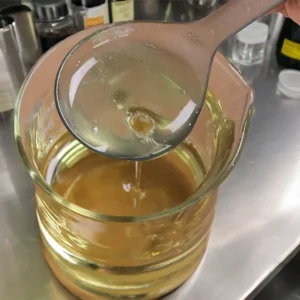
The linear alkylbenzene sulfonic acid (LAS/DDBSA) intermediate is continuously neutralized with sodium hydroxide (NaOH) or other neutralizing bases. This generates Sodium Dodecylbenzene Sulfonate (SDBS). Depending on the final target application, the slurry is dried and formulated into flakes, powder, or adjusted to liquid concentrates.
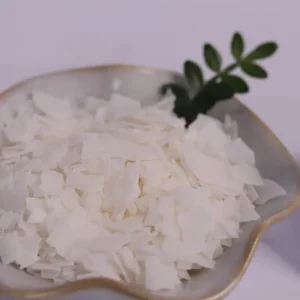
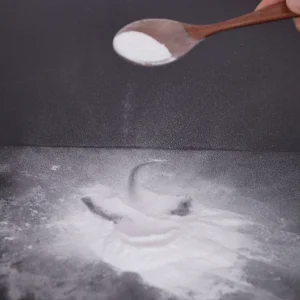
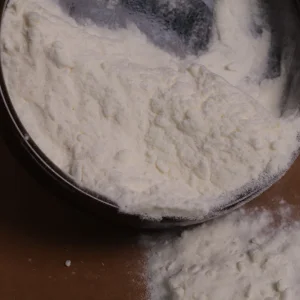
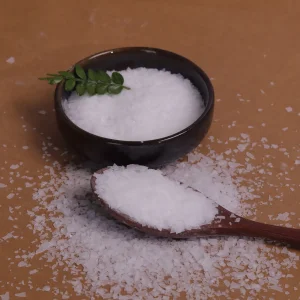
For solid applications like laundry powder, agricultural powders, and construction admixtures, the slurry is sprayed in spray-drying towers or processed in high-shear mixers to form uniform, non-caking, and easily dispersible powder or free-flowing flakes.
Different industrial applications require specific physical forms and active concentrations. Below are the key target specifications offered by leading Chinese export facilities:
| Grade / Form | Active Matter (%) | Free Oil Max (%) | Water Content (%) | Primary Application Areas |
|---|---|---|---|---|
| SDBS Powder (High Purity) | 80% - 90% | 1.5% | 3.0% max | Emulsion polymerization, dry-mix industrial cleaners, wetting powders. |
| SDBS Flakes / Granules | 80% - 85% | 2.0% | 4.0% max | Household laundry powders, commercial washing powders. |
| LAS Liquid / Paste | 30% - 70% | 1.0% | Balance | Liquid dishwashers, heavy-duty liquid laundry detergents, vehicle cleaners. |
Analyzing how different regional environments, regulations, and consumer practices shape product requirements.
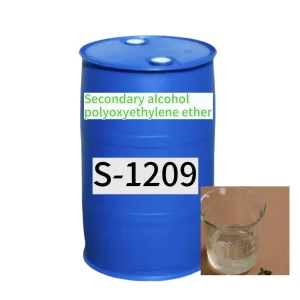
Driven by strict environmental rules, formulators in these markets require linear chains (LAS) with biodegradation rates exceeding 95% within 28 days (OECD 301). Furthermore, the popularity of High-Efficiency (HE) front-load washing machines requires combination with non-ionic systems like C12-C14 Secondary Alcohol Polyoxyethylene Ether to maintain low-sudsing profiles while preserving high stain removal capacity.
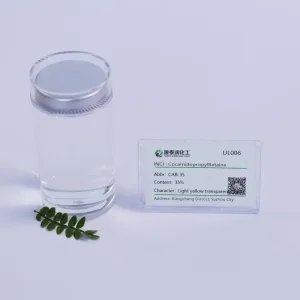
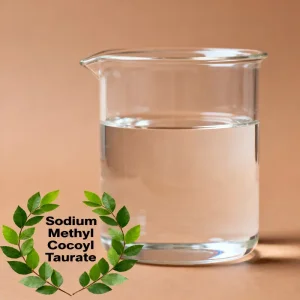
Across many parts of the Asia-Pacific region, hand washing of garments and manual dishwashing remain common. Here, Dodecylbenzene Sulfonate must exhibit strong flash foaming. Formulators frequently blend it with amphoteric agents like Cocamidopropyl Betaine 35% (CAB-35) or amino acid-based surfactants (like Sodium Cocoyl Taurate) to boost foam volume while reducing skin irritation.
In regions featuring high mineral water hardness (calcium and magnesium ions), SDBS must be paired with effective chelants like Disodium Edetate Dihydrate EDTA to prevent the precipitation of insoluble calcium sulfonates. This dual system ensures consistent cleaning efficiency and prevents graying of fabrics over multiple wash cycles.

Suzhou Yuantairun Chemical Co., Ltd. leverages the strength of China's chemical supply chain to provide consistent quality, stable pricing, and rapid delivery. Operating close to major East China petrochemical clusters, we secure a reliable supply of raw materials like linear alkylbenzene (LAB) and high-concentration sulfuric acid/SO3.
By using modern, automated falling-film sulfonation processes and strict laboratory quality checks (using HPLC, gas chromatography, and standard active matter titration), we ensure consistent quality from batch to batch. For our global customers, this supply chain integration translates to shorter lead times, customized packing options (including IBC totes, 200L drums, and moisture-resistant woven bags), and direct access to Shanghai Port for efficient shipping.
Technical answers to common questions about chemical formulation and supply chains.
Comprehensive solutions designed to stabilize, thicken, and preserve your surfactant formulations.