Explore our baseline chemical raw materials manufactured to meet global compliance and rigorous aesthetic standards.
Guar Hydroxypropyltrimonium Chloride (GHPTC) is a cationic water-soluble polymer derived from natural guar gum (extracted from the endosperm of the guar plant seed, Cyamopsis tetragonoloba). Structurally, it is a galactomannan polysaccharide modified by quaternization. The backbone consists of β-(1→4)-linked D-mannopyranose units with α-(1→6)-linked D-galactopyranose side branches, functionalized with quaternary ammonium groups (typically 3-chloro-2-hydroxypropyltrimethylammonium chloride).
The quaternary ammonium functional groups introduce positive charges along the polysaccharide chain. Because human skin and keratinous hair fibers naturally carry negative surface charges (zeta potential around -10mV to -30mV depending on damage levels), these cationic sites bind electrostatically to the substrates. This ionic coupling forms a microscopic, breathable film that acts as an anti-static agent, friction reducer, and barrier.
Furthermore, GHPTC operates under the physical principle of Lochhead's Coacervation Phase Separation. When an anionic-amphoteric surfactant solution containing cationic guar gum is diluted with water during rinsing, it reaches a critical micelle concentration boundary. At this precise dilution threshold, a water-insoluble complex (the coacervate) precipitates. This coacervate deposits uniformly onto the hair shaft, facilitating target delivery of benefit agents such as silicone droplets, natural oils, and anti-dandruff actives (e.g., Zinc Pyrithione or Piroctone Olamine).
How state-of-the-art chemical synthesis infrastructure and supply chain integration deliver superior performance-to-cost metrics for global brands.
Chinese manufacturing facilities deploy advanced dry-process and slurry-process alkoxylation technologies. This guarantees precise degree-of-substitution uniformity and ensures residual monomer impurities (e.g., Epichlorohydrin, free 3-chloro-2-hydroxypropyltrimethylammonium chloride) are kept strictly below 10 ppm.
Modern Chinese production hubs operate under strict compliance with ISO 9001 (Quality Management), ISO 14001 (Environmental Systems), and EFfCI (European Federation for Cosmetic Ingredients) GMP standards, ensuring global regulatory compliance across EU, US, and APAC markets.
Strategically situated near maritime hubs like Shanghai, Suzhou, and Ningbo, our factories leverage deeply integrated shipping networks. This proximity translates to optimal ocean freight rates, real-time customs clearance pipelines, and robust just-in-time delivery capabilities.
Comprehensive specification matrix detailing the physical and chemical characteristics of our premium conditioning polymers.
| Property Parameter | GHPTC-Low DS (Eco-Conditioning) | GHPTC-Standard DS (Universal) | GHPTC-High DS (Deep Reparative) |
|---|---|---|---|
| Appearance | Off-white to light yellow fine powder | Off-white to light yellow fine powder | Off-white to light yellow fine powder |
| Active Ingredient Content | ≥ 90% | ≥ 92% | ≥ 92% |
| Nitrogen Content (%) | 1.0% - 1.4% | 1.4% - 1.8% | 1.8% - 2.2% |
| Degree of Substitution (DS) | 0.08 - 0.12 | 0.13 - 0.17 | 0.18 - 0.22 |
| Viscosity (1% Aq. Sol, 25°C) | 2,000 - 3,000 mPa·s | 3,000 - 4,000 mPa·s | 3,500 - 4,500 mPa·s |
| pH (1% Aq. Solution) | 9.0 - 11.0 (uncured) / 5.5 - 7.0 | 9.0 - 11.0 (uncured) / 5.5 - 7.0 | 9.0 - 11.0 (uncured) / 5.5 - 7.0 |
How our formulations address viscosity, compatibility, and skin feel criteria in personal and home care formulations.
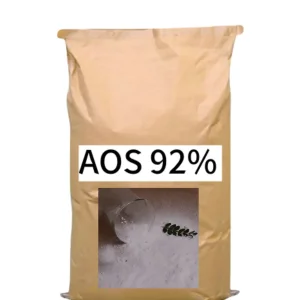
Primary Actives: Sodium Laureth Sulfate (SLES), Sodium Alpha-Olefin Sulfonate (AOS).
Thickener Synergy: Cocamide MEA (CMEA) for high-viscosity profile stabilization.
Outcome: Excellent foam stability, uniform rheology, reduced static cling in garments, and decreased skin irritation potential.
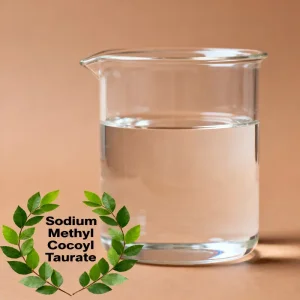
Primary Actives: Sodium Cocoyl Glutamate, Sodium Lauroyl Sarcosinate.
Polymer Role: Incorporating low-molecular-weight GHPTC to prevent over-stripping skin lipids.
Outcome: Produces a rich, dense micro-foam while maintaining skin hydration post-rinse. Meets clean beauty guidelines.
Primary Actives: Cetrimonium Chloride (Cationic Surfactant 1631-70).
Deposition Aid: GHPTC functions synergistically to accelerate fiber coating deposition.
Outcome: Reduces mechanical friction of fabric fibers, eliminates static electricity, and increases fabric fluffiness.
Primary Actives: Cocamidopropyl Betaine (CAB-35), Lauryl Glucoside (APG 1214).
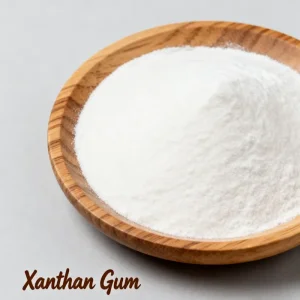
Viscosity Modifier: Xanthan Gum combined with Guar Hydroxypropyltrimonium Chloride.
Outcome: Provides a soft, velvety skin feel, prevents surfactant-induced dryness, and yields stable foam structures.
Primary Actives: Linear Alkylbenzene Sulfonate (LAS), Glycol Distearate (EGDS) pearlescent agent.
System Role: Thickening modification and phase-separation stabilization in high-ionic-strength formulas.
Outcome: Robust emulsion stability at extreme temperatures and superior viscosity profile under dilution.
Tailored daily chemical raw materials formulated by Suzhou Yuantairun Chemical Co., Ltd. to optimize your supply chain and active product performance.
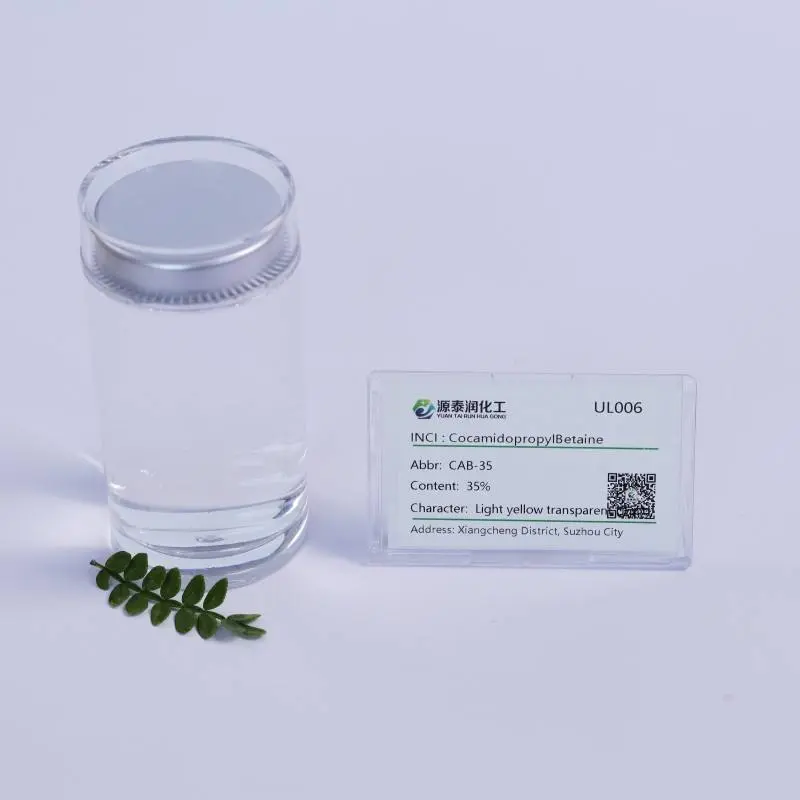
Cosmetic Grade Amphoteric Surfactant & Foaming Agent for Personal Care. CAS NO.: 61789-40-0.
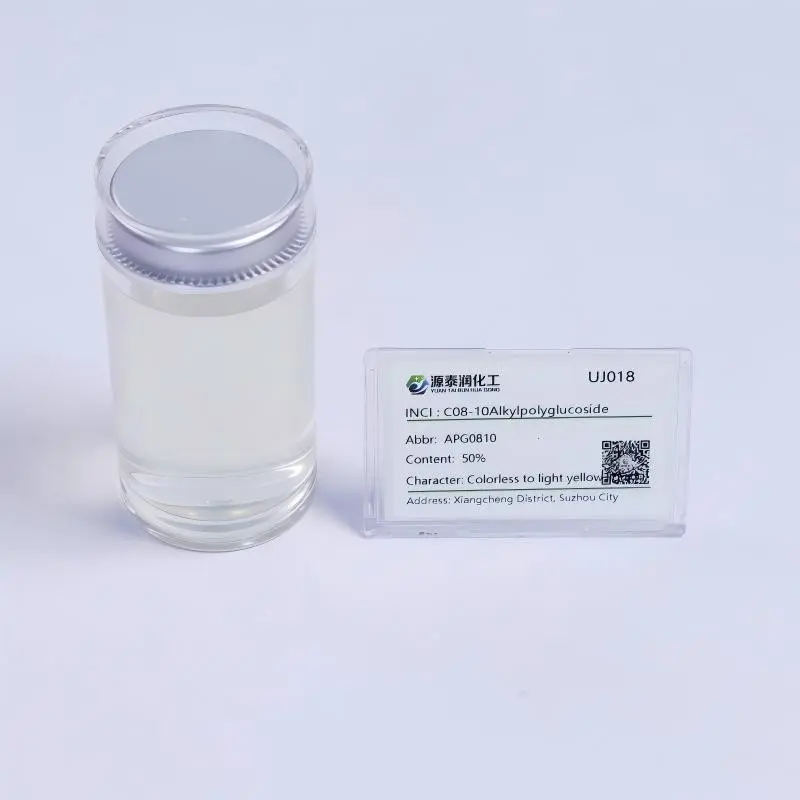
Nonionic Surfactant derived from renewable raw materials. Excellent foaming & thickening agent. CAS 68515-73-1.
Preservative-free amino acid surfactant. Ideal for degreasing and mild cleansing formulations. CAS 30364-51-3.
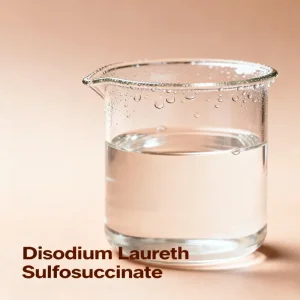
High purity anionic surfactant. Extremely mild, suitable for syndet bars and sensitive skin products. CAS 13192-12-6.
Gentle amino acid foaming agent for premium, sulfate-free shampoos and toothpastes. CAS 137-16-6.
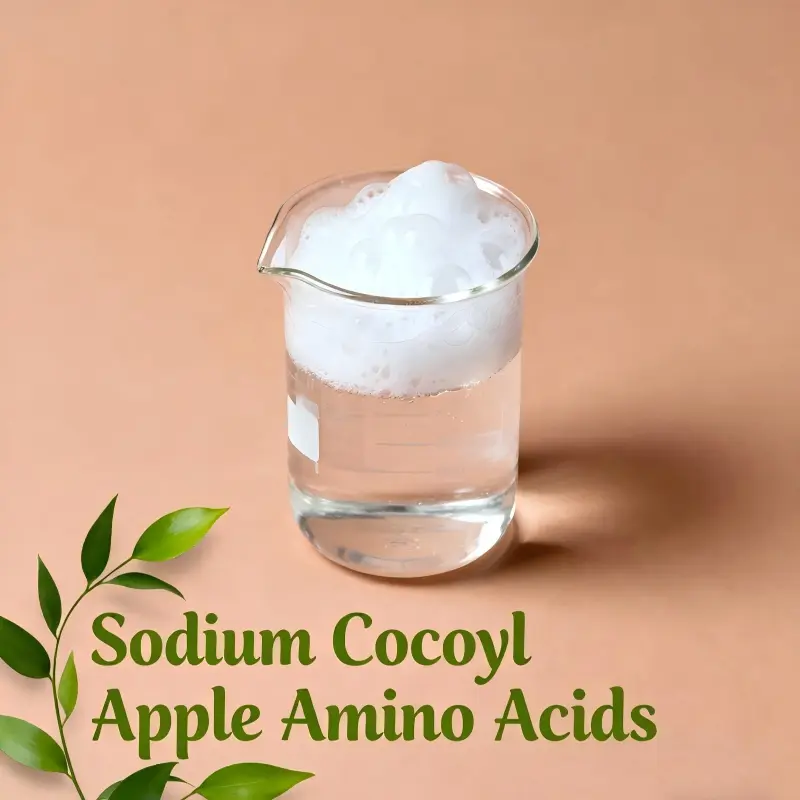
Ultra-gentle plant-derived surfactant with skin-conditioning qualities for baby and sensitive skin care. CAS 68188-38-5.
Global buyers sourcing cationic guar polymers frequently face challenges related to product compatibility, hydration kinetics, batch-to-batch stability, and regulatory documentation. In high-output personal care packaging plants, raw materials must behave predictably. Inconsistent polymer dispersion leads to issues like "fish-eyes" (undissolved gel agglomerates) and viscosity deviations, which can result in costly downtime.
Our company addresses these supply chain concerns by providing comprehensive logistical and formulation support. We utilize optimized packaging options (e.g., moisture-proof bags, custom container liners) to prevent premature moisture absorption and product caking during shipping through varying climates.
Our technical support includes co-formulation testing using laboratory-scale reactors. This testing simulates specific client processes, optimizing dilution protocols and surfactant ratios. We also provide full documentation packages, including safety data sheets, Certificate of Analysis (CoA) batches, and technical guides. This support helps ensure consistent performance and reliable integration into clients' formulations.
Direct answers to complex formulation, chemical behavior, and processing inquiries regarding cationic guar gum.
To prevent the formation of "fish-eyes," disperse the GHPTC powder into rapidly agitating water at room temperature. The polymer is usually modified to be self-retarding at a neutral pH to delay swelling. Once the powder is uniformly dispersed and wet, adjust the pH of the system down to 5.0–6.0 using citric acid or lactic acid. Lowering the pH hydrates the polymer, rapidly building full batch viscosity.
The degree of substitution (DS) represents the average number of hydroxyl groups substituted with quaternary ammonium groups per anhydroglucose unit. A higher DS increases the charge density of the polymer, enhancing its affinity for damaged, negatively charged hair fibers. However, excessive charge density can cause build-up, leading to heavy or weighed-down hair. Selecting the correct DS balance is critical for targeted conditioning.
Yes. Formulating clear systems requires using a grade of cationic guar with a tightly controlled molecular weight and a optimized degree of substitution. Clarifying agents and appropriate ratios of amphoteric surfactants (such as Cocamidopropyl Betaine) help solubilize the polymer-surfactant complex, preventing phase separation and maintaining optical transparency.
Cationic guar gum relies on pH adjustments for swelling kinetics. At basic pH levels (e.g., pH > 8.0), the polymer remains unhydrated, allowing for low-viscosity dispersion. Acidifying the system (e.g., pH < 6.0) protonates the polymer, initiating hydration and viscosity development. Viscosity typically stabilizes within 30 to 60 minutes after acidification.
When paired with anionic surfactants (such as Sodium Laureth Sulfate or Sodium Lauroyl Sarcosinate), GHPTC forms a reversible, electrostatically bound complex. This interaction stabilizes foam, increases creaminess, and provides protective deposition on the hair and skin, reducing the irritation typically caused by anionic surfactants.
We use advanced chemical filtration and purification processes to remove unreacted reactants. Each production run is monitored using Gas Chromatography-Mass Spectrometry (GC-MS) to confirm that free monomer residues remain within safe limits, ensuring compliance with global cosmetic safety regulations.
Contact our technical team for custom molecular weights, tailored degrees of substitution, or to request product samples for laboratory evaluation.
A selection of industrial preservatives, viscosity modifiers, and emollients supporting high-performance personal care formulas.