Engineered for stability, mildness, and high-performance bubble profiles
A deep scientific perspective on how modern formulations depend on surface-active agents for optimized consumer performance.
Effective hand cleansing formulations rely heavily on the physics of foam kinetics. In professional personal care, "foam" is not simply a decorative aesthetic; it serves critical functions. High-performance bubbles act as physical networks that suspend dust, oil, and microorganisms away from the skin surface, enabling them to be rinsed off efficiently.
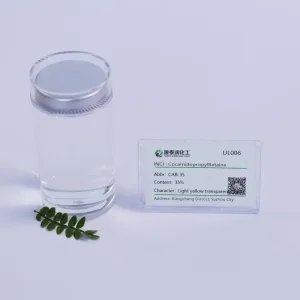
The standard composition of a premium hand wash bubble relies on an optimized surfactant ratio. While anionic surfactants like Sodium Lauryl Sulfate (SLS K12) establish rapid initial flash foam, they require pairing with amphoteric co-surfactants such as Cocamidopropyl Betaine (CAB-35) to form complex mixed micelles. This synergy lowers the critical micelle concentration (CMC), stabilizing the bubble wall (lamellae) against gravity-induced drainage and evaporation.
1. Surface Tension Reduction: Lowering surface tension down to 25-30 mN/m allows immediate wetting of complex skin crevasses.
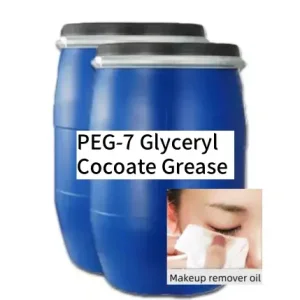
2. Lamellar Viscosity: Emulsifiers like PEG-7 Glyceryl Cocoate insert themselves into the surfactant layer, preventing bubble collapse.
3. Gentle Cleansing index: Using amino-acid based surfactants prevents skin protein denaturation, preserving hydration levels.
Why Suzhou Yuantairun Chemical stands as a benchmark for quality, consistency, and structural price competitiveness in the daily chemical industry.
Chinese manufacturers benefit from a fully localized upstream petrochemical and oleochemical supply chain. From fatty alcohols to advanced ethylene oxide (EO) adduct reactions, key inputs are sourced locally, insulating customers from international market volatility.
State-of-the-art ethoxylation plants and sulfonation units in China run continuous computerized processes. This high level of automation guarantees that batches of raw materials like Lauryl Hydroxysultaine maintain consistent active substance content.
Leading Chinese chemical exporters prioritize regulatory alignment. Products comply with EU REACH, US FDA guidelines, and ECOCERT standards, enabling seamless integration into formulations intended for strict regulatory markets.
Compare physical-chemical properties of our most requested foaming surfactants and thickening agents.
| Chemical Name | CAS Number | Active Matter (%) | Primary Role | Typical Applications |
|---|---|---|---|---|
| Sodium Cocoyl Glutamate | 68187-32-6 | 95% (Powder) / 30% (Liquid) | Amino Acid Surfactant | Gentle facial washes, premium baby care, sulfate-free hand wash |
| Cocamidopropyl Betaine (CAB-35) | 61789-40-0 | 35% Min | Amphoteric Co-surfactant | Viscosity builder, foam stabilizer, skin irritation reducer |
| Sodium Taurine Cocoyl Methyltaurate | 68213-23-0 | 96% Min (Powder) | Anionic Surfactant | High foam density, gentle cleansing powder blends |
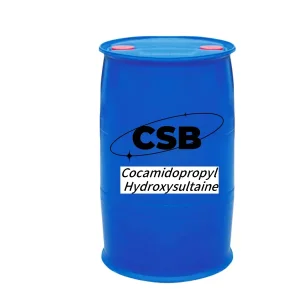
| Lauryl Hydroxysultaine | 13197-76-7 | 45% Min | Amphoteric Surfactant | Synergistic thickening, dense foam structure in hard water |
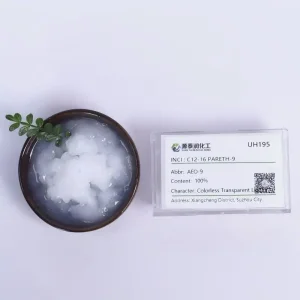
| AEO-9 (Alcohol Polyoxyethylene Ether) | 68213-23-0 | 99% Min | Nonionic Emulsifier | Fragrance solubilizer, dirt suspension, household detergents |
Navigating the transition toward green chemistry, clean-label compliance, and skin barrier preservation.
Consumer awareness regarding skin sensitivity has driven formulation updates away from standard alkyl sulfates (such as SLS and SLES). The industry is transitioning toward amino acid surfactants, such as Sodium Cocoyl Glutamate and Sodium Lauroyl Sarcosinate. These surfactants are derived from natural fatty acids and amino acids, matching the natural pH of the skin barrier while reducing irritation.
In response to global sustainability initiatives, brands are minimizing water transport. Powder-to-foam hand washes rely on high-purity dry surfactants, including Sodium Taurine Cocoyl Methyltaurate 96% Powder. These concentrated raw materials allow global enterprises to ship lighter products, significantly reducing carbon footprints during distribution.
Modern hand hygiene products perform a dual role: they sanitize while actively replenishing skin lipids. Incorporating mild conditioning agents like PEG-7 Glyceryl Cocoate and PEG-20 Glyceryl Triisostearate ensures that repetitive washing cycles do not damage the stratum corneum, preventing moisture loss.
Tailored formulations designed to meet specific consumer demands and regulatory frameworks across various industries.
Primary Ingredients: Sodium Cocoyl Glutamate & Sodium Lauroyl Sarcosinate.
Benefits: Features a mild surfactant system that gently cleanses sensitive skin. Provides a luxurious, dense lather that rinses clean without stripping natural moisture.
Primary Ingredients: SLES, AOS (Sodium Alpha-Olefin Sulfonate), paired with AEO-9.
Benefits: Delivers robust soil dispersion and oil emulsification. Ensures optimal viscosity control in cold-water washing, reducing overall formulation energy demands.
Primary Ingredients: LAS (Linear Alkylbenzene Sulfonate) & Cetrimonium Chloride.
Benefits: Heavy-duty breakdown of complex industrial oils. Developed for dilute-on-site usage systems to keep distribution costs low for chemical distributors.
Mitigating logistical challenges and maintaining quality compliance across international borders.

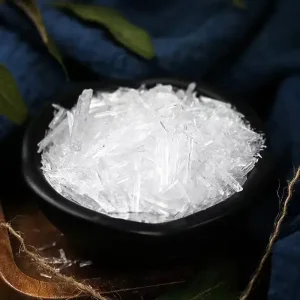
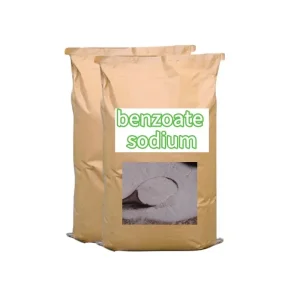
At Suzhou Yuantairun Chemical Co., Ltd., we combine technical expertise with chemical supply chain management. We coordinate the consolidation of multiple raw material orders—ranging from primary surfactants and viscosity control agents to preservatives like Sodium Benzoate and specialty materials like L-Menthol Crystals—into single containers. This simplifies shipping and customs clearance for our clients.
Our dedicated laboratory works directly with formulators to match the required viscosity, pH, and foaming kinetics. This partnership helps clients move quickly from prototype development to full-scale commercial manufacturing.
Get quick answers to common technical, formulation, and supply chain questions.
Functional chemical components to improve viscosity, extend shelf life, and add skin conditioning properties