
Whitepaper: Decarbonizing and Optimizing Cationic Surfactants in Modern Fabric Care
The global textile and home care industries are undergoing a massive technological shift. Formulation engineers are constantly seeking the optimal balance between high antistatic performance, soft hand-feel, and robust ecological profile. At the center of this transformation lies the laundry antistatic cationic surfactant. Unlike anionic surfactants, which excel at particulate soil removal, cationic surfactants possess a net positive charge on their hydrophilic headgroups. This unique chemical structure allows them to adsorb selectively onto the negatively charged surfaces of both natural and synthetic fibers, forming a monomolecular lubricating film that dissipates static electricity and reduces friction.
1. The Chemistry of Interfacial Adsorption and Static Dissipation
Static cling in fabrics occurs when friction causes a transfer of electrons, building up localized electric charges. Synthetic fibers such as polyester, nylon, and acrylic are highly prone to static generation due to their hydrophobic nature and low moisture regain. When a laundry antistatic cationic surfactant—primarily composed of quaternary ammonium compounds (QACs) or ester-based quaternary ammonium salts (esterquats)—is introduced during the rinse cycle, it aligns itself dynamically. The positively charged ammonium headgroup electrostatically attaches to the negative active sites of the fiber substrate. Concurrently, the hydrophobic alkyl tails project outward from the fiber surface, creating a microscopic, uniform sheath.
This molecular configuration accomplishes two vital antistatic functions:
- Hydrophilicity Enhancement: The cationic layer binds water molecules from the surrounding atmosphere, creating a continuous, ultra-thin moisture barrier that dramatically increases the surface conductivity of the fiber, enabling fast dissipation of static charges.
- Surface Lubrication: The outward-facing hydrophobic chains significantly decrease the coefficient of kinetic friction between adjacent yarns. This mitigates static build-up caused by wear and tear, yielding the classic "fluffy" soft hand-feel.
2. Macro-Industrial and Global Commercial Trends
Globally, the surfactant market is moving rapidly from legacy chemistry, such as dialkyl dimethyl ammonium chloride (DHTDMAC), toward bio-based, rapidly biodegradable ester-quaternary systems (such as CAS 91995-81-2). Legacy quats, while highly effective, pose significant hazards to aquatic life due to their low rates of biodegradation in wastewater treatment plants. Today’s commercial softeners utilize esterquats (EQs), which incorporate weak ester linkages within their long-chain hydrocarbon tails. These ester links are rapidly hydrolyzed by microorganisms, ensuring compliance with strict environmental standards like the European Union's Ecolabel and REACH regulations.
Suzhou Yuantairun Chemical is at the forefront of this industrial transition, supplying premium textile softeners and cationic intermediates that fulfill both raw performance KPIs and ESG targets. Our synthesis technologies minimize free amine content and control critical parameters like color stability, viscosity consistency, and cold-water dispersibility, which are essential for manufacturing stable liquid concentrates.
3. Strategic Formulation Design & Multi-Surfactant Compatibility
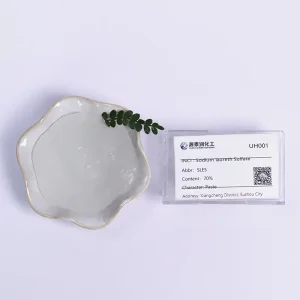
One of the primary challenges for formulation chemists is the thermodynamic incompatibility between anionic surfactants (such as LAS and SLES, which are used in wash cycles) and cationic surfactants (used in rinse cycles). Direct mixing of these species results in the co-precipitation of an insoluble, electrically neutral pseudo-salt, rendering both agents inactive. To overcome this limitation, commercial formulators employ several strategies:
- Sequential Rinse-Cycle Delivery: Designing secondary products, such as liquid fabric softeners, that are released only after anionic surfactants are washed out during the primary wash step.
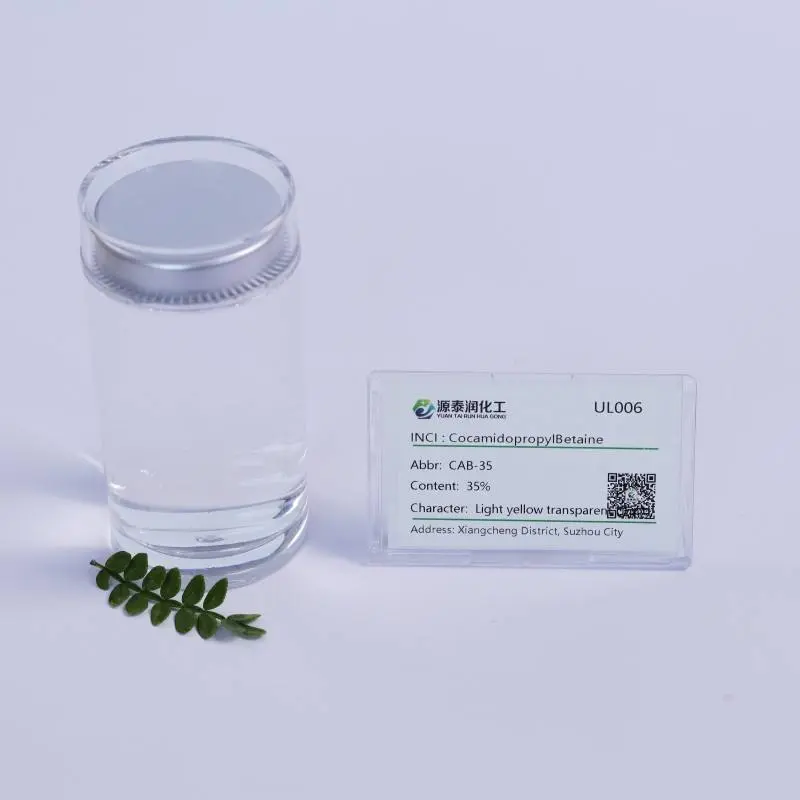
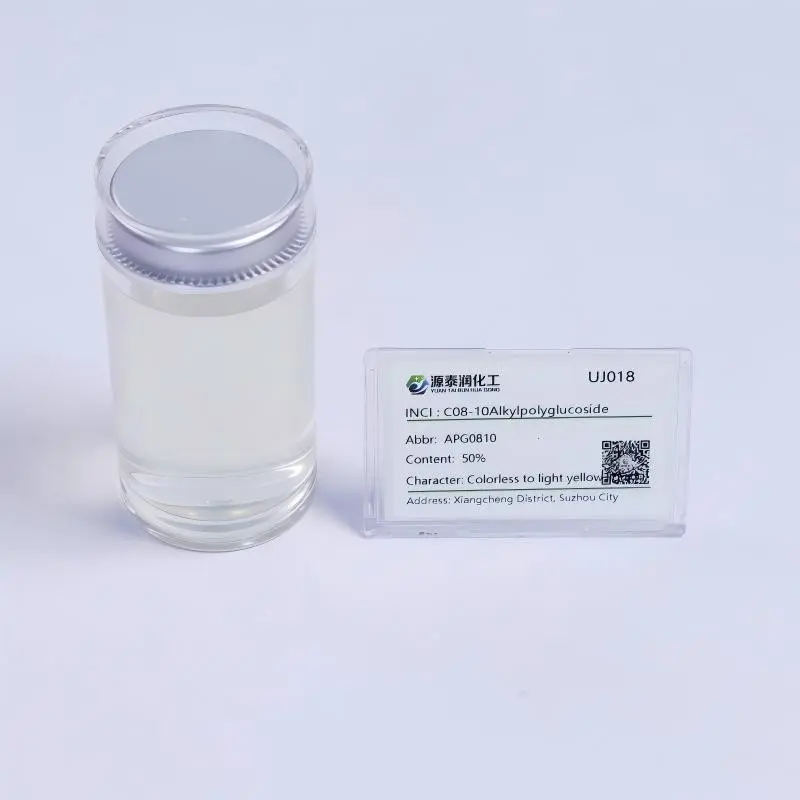
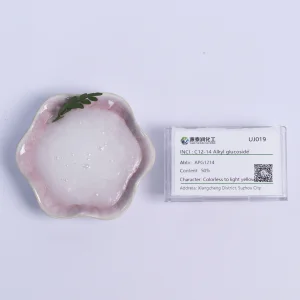
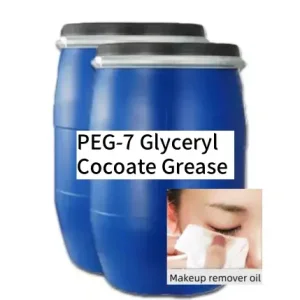
- Amphoteric & Nonionic Emulsification: Incorporating nonionic surfactants, such as Alkyl Polyglycosides (APG1214) or PEG-7 Glyceryl Cocoate, alongside amphoteric surfactants (e.g., Cocamidopropyl Betaine CAB-35), to shield the cationic molecules, maintaining colloidal stability in complex, single-unit dose formulations like liquid laundry pods.
- Structure Optimization: Utilizing specialized quaternary ammonium salts with asymmetric alkyl chains to maximize solubility while maintaining excellent static control.