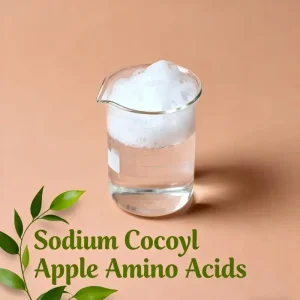
Explore our foundational chemical compounds engineered to optimize foam, stability, and perfume carrier properties in commercial formulations.

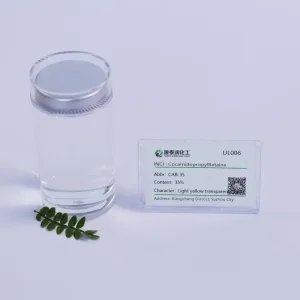
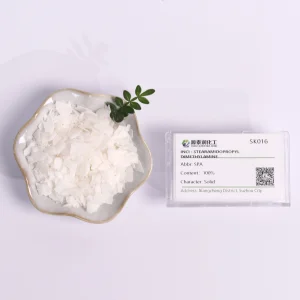
Decoding market shifts toward high-concentration formulations, odor control technologies, and green logistics.
In the highly competitive daily chemical sector, liquid detergent formulation has shifted from basic cleansing properties to a multi-sensory user experience. Today, fragrance acts as the primary differentiator and retention driver for end-consumers. The global industrial demand for highly stable, long-lasting liquid detergent perfumes is expanding at an unprecedented rate, prompted by the rapid rise of concentrated liquid pods, sulfate-free personal care systems, and cold-water washing detergents. Under E-E-A-T guidelines, raw material suppliers must prove not just chemical compatibility, but structural supply chain resilience and global regulatory compliance.
However, incorporating hydrophobic fragrance compounds into highly hydrophilic surfactant bases is a complex physical-chemistry problem. Raw fragrance oils contain volatile organic compounds (VOCs) that can disrupt the micellar balance of surfactants like SLS (Sodium Lauryl Sulfate), SLES (Sodium Laureth Sulfate), and CAB-35 (Cocamidopropyl Betaine). Without precise molecular engineering, issues such as phase separation, turbidity, viscosity fluctuations, and rapid scent degradation occur. Suzhou Yuantairun Chemical Co., Ltd. addresses these pain points by integrating high-purity surfactants, rheology modifiers, and scent-retention chemistry to ensure stable scent performance from factory gate to final rinse.
Analyzing surfactant micelle interaction, solubilization, and structural stability of high-load perfume formulations.
Fragrance molecules are predominantly hydrophobic. They must be solubilized within the core of surfactant micelles formed by anionic bases like SLS (Sodium Lauryl Sulfate) or mild amino acid surfactants such as Sodium Cocoyl Glycinate. The addition of amphoteric co-surfactants like Cocamidopropyl Betaine (CAB-35) or Lauryl Hydroxysultaine lowers the critical micelle concentration (CMC), promoting tighter micelle packing that locks in volatile scent compounds and prevents phase separation.
Fragrance oils can significantly alter the viscosity of liquid detergents. Rheology modifiers such as Cocamide DEA (CDEA 6501) and PEG-150M are utilized to construct a robust three-dimensional surfactant network. This network prevents gravitational settling of scent droplets while maintaining the desired shear-thinning behavior, ensuring consistent dispensing and premium hand-feel for consumers.
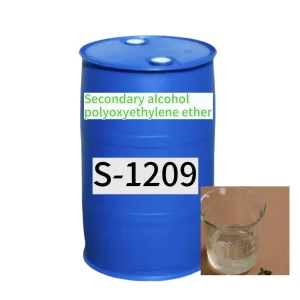
For premium visual appeal, pearlescent agents like EGDS (Ethylene Glycol Distearate) must remain uniformly suspended in the formulation. When high loads of fragrance oils are introduced, the emulsion balance is threatened. By combining EGDS with specialized secondary alcohol polyoxyethylene ethers (like C12-C14 Secondary Alcohol Polyoxyethylene Ether), the crystal structure of the pearlescent agent is locked into place, preventing sedimentation.
Translating chemical raw materials into high-performance, real-world formulations for industrial and retail channels.
Application Focus: Home Care & Heavy Duty Fabric Cleansers.
Formulation Strategy: Leverages Sodium Laureth Sulfate (SLES) and AOS as primary cleansers, coupled with Cocamide DEA as a viscosity stabilizer. The fragrance is stabilized within these micelles to ensure scent longevity on dry fabric, even after a cold wash cycle. Ideal for heavy-duty household laundry liquids that demand performance under varying water hardness.
Application Focus: Premium Personal Care & Sensitive Skin Cleansing.
Formulation Strategy: Combines ultra-mild Sodium Cocoyl Glycinate and Sodium Lauroyl Sarcosinate. Because fragrance oils can cause irritation on sensitive skin, the formulation incorporates natural, non-irritating scent solubilizers to minimize chemical stress. ECOCERT-compliant components ensure compatibility with clean beauty standards.
Application Focus: Textile Finishing & Static Reduction.
Formulation Strategy: Utilizes cationic surfactant Cetrimonium Chloride (1631) for fiber softening and anti-static performance. The fragrance is chemically adapted to deposit effectively onto cotton and synthetic fibers. This guarantees that the scent remains locked into the fabric and releases slowly over days of wear.
Application Focus: Daily Body Care & Hospitality Sector.
Formulation Strategy: Utilizes a synergy of Cocamidopropyl Betaine (CAB-35) and Lauryl Glucoside (APG1214) to generate rich, dense foam. The fragrance oil is stabilized to withstand high heat and humidity during hot showers, maintaining a sustained olfactory release without breaking down the foam volume.
Suzhou Yuantairun Chemical Co., Ltd. stands as a pioneer in the daily chemical raw material supply chain. Founded in 2010, we have built a collaborative network supporting over 7,000 global partners. Our focus is not simply shipping raw chemical products; we provide integrated R&D, tailored ODM/OEM services, and comprehensive formulation support.
Our state-of-the-art laboratory in Jiangsu Province allows us to test surfactant-fragrance compatibility in real-time, helping clients troubleshoot issues like phase separation, cloudiness, or viscosity drop. By operating under rigorous international quality management systems, we assure our clients that their raw materials originate from sustainable, traceable, and ethical resources.

Custom engineering options across various application scopes, fragrance profiles, and product tiers.
We formulate tailored liquid soaps, shampoos, and bath gels with signature scents engineered to meet the cost and performance requirements of hotels, commercial barbershops, and high-volume retail brands.
We provide full customization options for liquid laundry detergents and pods. This includes fragrance selection, dye adjustment, and viscosity engineering to match local washing machine types and consumer habits.
Engineered for high-traffic environments like shopping malls, office buildings, and restaurants. We balance cost-efficiency with skin comfort, ensuring heavy usage does not strip moisture from the skin barrier.
Anticipating regulatory changes, consumer preference shifts, and new green chemistry innovations.
The daily chemical industry is undergoing an environmental transformation. The European Union's REACH regulations, US EPA guidelines, and global green initiatives are pushing manufacturers to phase out bio-accumulative chemicals and transition to circular raw materials. Our technical roadmap focuses heavily on green development: substituting traditional petroleum-based surfactants with plant-derived alternatives, such as Alkyl Polyglucosides (APG) and sodium cocoyl apple amino acids, without sacrificing product performance.
In addition to surfactant shifts, fragrance longevity is evolving. Standard fragrance delivery systems often fail during high-temperature washing or tumble drying. Suzhou Yuantairun is actively collaborating on microencapsulation technologies. By shielding fragrance molecules in a biodegradable polymer shell, the scent remains protected throughout the wash cycle and releases gradually upon friction when the consumer wears the fabric. This innovation ensures dry-phase scent retention, providing a key selling point for consumer brands.
Replacing traditional SLES with biodegradable amino acid and alkyl glucoside bases to minimize aquatic toxicity and skin irritation profiles.
Developing temperature-resistant polymer shells for fragrance oils, offering sustained-release scent properties that survive tumble drying.
Utilizing computational chemistry models to predict the compatibility and viscosity changes of fragrance oils in surfactant matrices before physical mixing.
Stay updated on our latest product developments, lab breakthroughs, and surfactant technologies.
Exploring the properties of Sodium Cocoyl Isethionate in premium solid syndet bars and concentrated liquid soaps. Runtec® SCI85 delivers a gentle, rich foam with excellent hard-water compatibility.
Tech Update - March 2026Designed specifically for modern formulations. Runtec® SCA-30 (Sodium Cocoyl Alaninate) offers excellent foam stability even in the presence of natural oils and sebum, making it ideal for mild facial cleansers and shampoos.
Tech Update - February 2026A versatile skin emollient and pigment dispersing agent. Known for its lightweight feel and high compatibility with cosmetic oils, it offers clean, non-greasy moisturizing properties for advanced skincare lotions.
Tech Update - January 2026Addressing common stability, manufacturing, and shipping questions from cosmetic chemists and procurement professionals.
Explore our specialized functional chemicals, skin conditioners, and thickening agents for premium home and personal care products.