Explore our certified mild anionic and amino acid surfactants, engineered to elevate cosmetic elegance and skin-barrier compatibility.
In the modern personal care and industrial formulation landscapes, surfactant chemistry is undergoing a profound paradigm shift. For decades, traditional alkyl sulfates and alkyl ether sulfates, such as Sodium Lauryl Sulfate (SLS) and Sodium Laureth Sulfate (SLES), served as the workhorses of foaming and detergency due to their low cost and high yield. However, as clinical dermatology highlights the long-term impact of aggressive cleansers on the stratum corneum, the global demand has turned definitively toward mild anionic surfactants. This transition is not merely consumer-driven; it is enforced by rigorous global safety initiatives and regulatory benchmarks focusing on biodegradability, skin health, and renewable chemical footprints.
“Formulation science is transitioning from harsh surface-active kinetics to biomimetic compatibility. Mild anionic surfactants, particularly amino acid-based acyl derivatives and sulfosuccinates, represent the interface where high-performance foaming meets skin barrier protection.”
The global market for mild anionic surfactants is expanding at an estimated CAGR of 6.2% over the next decade. Driven by the explosive growth of clean beauty, dermatologist-tested clinical skin care, and the rising consumer consciousness regarding daily chemical exposure, ingredients such as Sodium Lauroyl Sarcosinate and Sodium Cocoyl Glutamate have crossed over from niche luxury applications to mainstream markets. Major manufacturing hubs in Asia-Pacific—led by China, South Korea, and Japan—are investing heavily in advanced raw material processing technologies to meet the supply demands of multinational cosmetic brands.
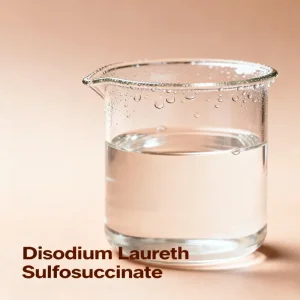
In Western markets, particularly Europe and North America, stringent green-deal frameworks and clean-label standards (such as Cosmos, EcoCert, and Whole Foods Premium Body Care compliance lists) restrict the usage of ethoxylated compounds, which can contain trace amounts of 1,4-dioxane. Because of this, formulators are rapidly redesigning body washes, shampoo matrices, and liquid soaps to replace traditional sulfates with eco-friendly alternatives like Disodium Laureth Sulfosuccinate and amino-acid based acylates. These alternatives deliver rich, dense foam characteristics while ensuring negligible irritation profiles.
How do mild anionic surfactants clean without damaging the lipid bilayer? Standard anionic surfactants, containing small, highly charged headgroups, interact aggressively with skin proteins (keratins), leading to protein denaturation, swelling of the stratum corneum, and subsequent transepidermal water loss (TEWL). In contrast, amino-acid based surfactants possess large, sterically hindered polar heads that reduce the Critical Micelle Concentration (CMC) and diminish the monomer interaction with skin membranes.
For instance, glutamates (derived from L-glutamic acid) and sarcosinates (derived from sarcosine) have a natural pH range highly compatible with human skin (pH 5.5). In formulation, they do not disrupt the extracellular lipids (ceramides, cholesterol, and free fatty acids), ensuring that the skin's lipid barrier remains structurally intact post-rinse. This selective cleansing mechanism is why global formulators prioritize materials such as Sodium Cocoyl Glutamate for baby care, intimate hygiene, and clinical facial cleansers designed for compromised or hypersensitive skin barriers.
Modern raw material synthesis must align with the Twelve Principles of Green Chemistry. The manufacturing processes utilized by state-of-the-art facilities like Suzhou Yuantairun Chemical Co., Ltd. leverage sustainable precursors—specifically coconut-oil-derived fatty acids conjugated with amino acids via the Schotten-Baumann condensation reaction. This technical route minimizes heavy industrial solvent usage, utilizes water as the primary reaction medium, and eliminates harmful byproducts.
Furthermore, biodegradable profiles are a crucial indicator of surfactant quality. Amino acid-based surfactants exhibit superior, rapid aerobic and anaerobic biodegradability, degrading into natural organic salts and fatty acids within standard municipal wastewater treatment lifecycles. This minimizes bioaccumulation risks in aquatic habitats, making them ideal candidates for eco-friendly household detergents, industrial green degreasers, and ocean-safe cosmetic lines.
Choosing the correct surfactant requires aligning chemical structure with formulation goals. The table below outlines key mild surfactants, their performance parameters, and key applications:
| Surfactant Name | Primary Classification | Foam Density | Ideal pH Range | Target Application |
|---|---|---|---|---|
| Sodium Lauroyl Sarcosinate | Amino Acid (Mild Anionic) | Rich, Creamy | 5.0 - 7.5 | Baby Shampoos, Premium Facial Wash |
| Disodium Cocoyl Glutamate | Amino Acid (Very Mild Anionic) | Moderate, Soft | 5.5 - 8.0 | Eco-Cert Cosmetics, Sensitive Skin Gel |
| Disodium Laureth Sulfosuccinate | Sulfosuccinate (Mild Anionic) | Abundant, Flashy | 6.0 - 7.0 | Sulfate-Free Shampoos, Body Washes |
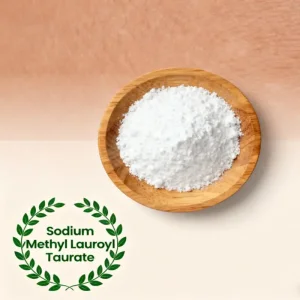
| Sodium Methyl Lauroyl Taurate | Taurate (High Foam Anionic) | Extremely High, Dense | 5.0 - 8.5 | Facial Powder Cleansers, Solid Shampoos |
The industry's future lies in biosurfactants produced via precision microbial fermentation. R&D divisions are actively refining the synthesis of rhamnolipids, sophorolipids, and glucosyl esters to further reduce carbon footprints. As an industry leader, Suzhou Yuantairun Chemical is pioneering collaborative frameworks to merge traditional oleochemical pathways with enzyme-catalyzed bio-manufacturing. By combining these advanced molecules with conventional mild anionic co-surfactants, formulators can optimize synergistic effects, boosting cleansing properties while lowering concentration thresholds.
Assuring you that our products originate from well-managed, sustainable, and scientifically proven resources.
As a leading supplier in the daily chemical raw materials industry, Suzhou Yuantairun Chemical Co., Ltd. is dedicated to delivering high-quality products and comprehensive one-stop services to support our customers in R&D, production, and supply chain optimization.
Our mission is to drive innovation and efficiency in the global daily chemical industry by providing cutting-edge solutions tailored to our clients' needs. We maintain a robust quality management system and continuous investment in green chemistry research, placing us at the forefront of the sulfate-free evolution.


Discover our high-demand daily chemical surfactants, solvents, and specialty materials.
Explore customized application solutions designed to balance foam kinetics with ecological standards.
Application: Home Care (Laundry Detergent, Cleaners)
Advantages: Uses SLES (Sodium Laureth Sulfate) and AOS (Sodium Alpha-Olefin Sulfonate) as core surfactants for superior cleaning and rich foam. Combined with thickener CMEA for optimal viscosity and user experience. Compliant with international green metrics.
Application: Personal Care (Facial Cleansers, Body Wash)
Advantages: Features Sodium Cocoyl Glutamate (YG02-95) and Sodium Lauroyl Sarcosinate (LS-100N) for ultra-mild cleansing, ideal for sensitive skin. Natural amino acid-based surfactants retain moisture and rinse easily. ECOCERT compliant.
Application: Textile Care (Fabric Conditioners)
Advantages: Utilizes cationic surfactant 1631 70 (Cetrimonium Chloride) for enhanced fabric softness and anti-static properties. Concentrated formulation lowers logistical footprints. Compatible with cold-water washing cycles.
Application: Personal Care (Shower Gels, Shampoos)
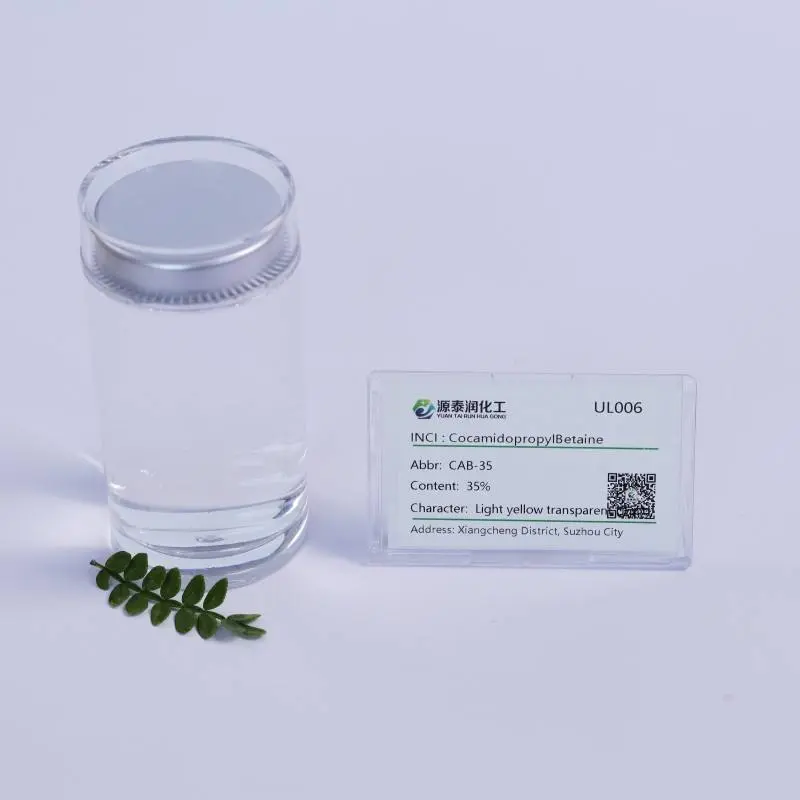
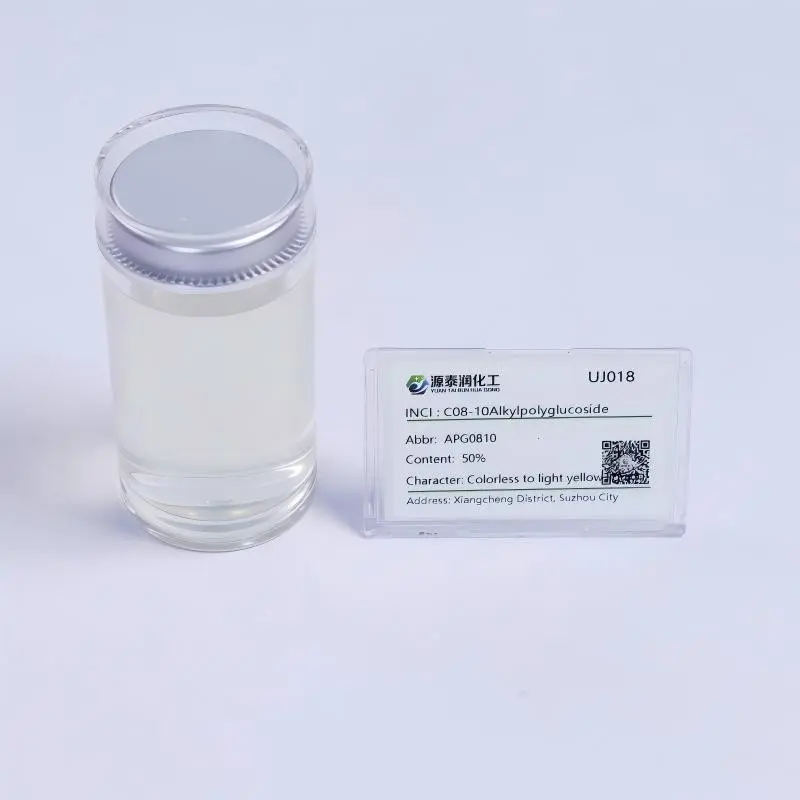
Advantages: Combines amphoteric CAB-35 (Cocamidopropyl Betaine) and non-ionic APG1214 (Lauryl Glucoside) for rich, low-residue lather. Sulfate-free design reduces structural skin dryness. Includes Xanthan Gum for high stability.
Application: Industrial Cleaning (Machinery, Vehicle Oil Removal)
Advantages: Powered by LAS (Linear Alkylbenzene Sulfonate) and solvent EGDS for rapid breakdown of tough grease. Enhanced biodegradability with Alkaline Lipase, meeting rigorous wastewater guidelines.
 Washing Powder
 Facial Cleanser
 Softener
 Shower Gel
 Degreaser
Driving processing efficiency and reducing operational overheads via custom-engineered product suites.
Do you have any specific technical demands or custom sourcing needs? Contact us now!
Send InquiryReal-time understanding of enterprise dynamics and formulation insights.
Direct answers from our laboratory scientists to common challenges in sulfate-free formulations.
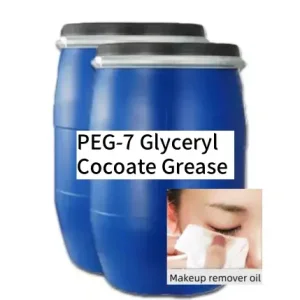
Sulfate-free formulations cannot be easily thickened with sodium chloride (NaCl) because amino acid-based anionic surfactants do not form elongated cylindrical micelles as readily as SLES. To achieve optimal viscosity, formulators should introduce secondary surfactants like Cocamidopropyl Betaine or nonionic thickeners such as Cocamide MIPA (CAS 68333-82-4), PEG-7 Glyceryl Cocoate, or polymeric rheology modifiers.
Sodium Cocoyl Glutamate is exceptionally mild, operating optimally at a pH of 5.5. It is highly suitable for sensitive or baby skin but yields slightly lower flash foam. Sodium Lauroyl Sarcosinate provides excellent foaming and degreasing properties even in the presence of sebum, working exceptionally well in oily hair shampoos and foaming facial cleansers.
Yes, many amino acid anionic surfactants show excellent compatibility with cationic polymers (e.g., Polyquaternium-10, Guar Hydroxypropyltrimonium Chloride) because they form coacervates during dilution. This coacervate formation enhances the deposition of conditioning ingredients onto hair and skin surfaces.
DLS (CAS 39354-45-5) is a highly efficient co-surfactant used to reduce skin irritation caused by harsher primary surfactants. It generates an abundant, creamy foam and acts as a strong wetting and dispersing agent, making it ideal for mild bubble baths, hand soaps, and sulfate-free baby washes.
Complete your formulations with our high-purity functional additives, thickeners, and preservatives.