Explore our premium grade chemical raw materials manufactured under strict global standards for cosmetics, detergents, and industrial applications.
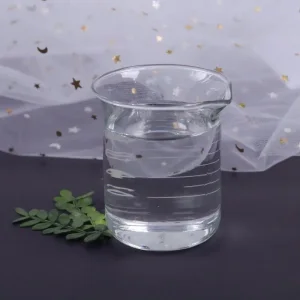
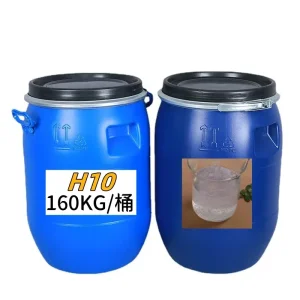
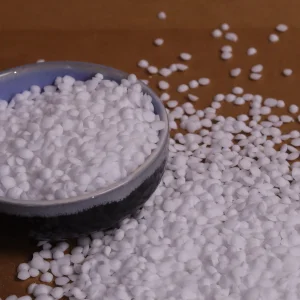
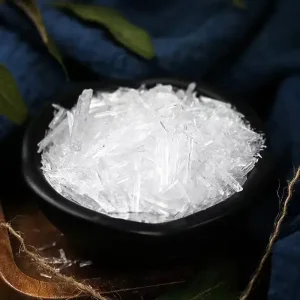
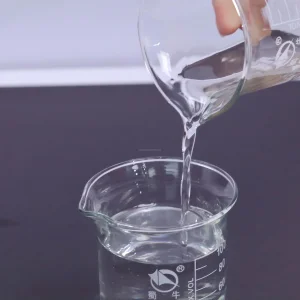

Analyzing chemical specifications, functional mechanisms, manufacturing efficiency, and global supply configurations.
Polysorbate 20, chemically recognized as polyoxyethylene (20) sorbitan monolaurate (CAS Number: 9005-64-5), represents one of the most versatile non-ionic surfactants, solubilizers, and emulsifiers in modern industrial chemistry. Characterized by a Hydrophilic-Lipophilic Balance (HLB) value of 16.7, it acts as a highly effective oil-in-water (O/W) emulsifier. In comparison to its counterpart Polysorbate 80 (which features an oleate ester chain), Polysorbate 20 incorporates a saturated laurate (C12) chain. This structural feature provides superior compatibility with light oils, essential oils, and fragrances, while offering outstanding stability against oxidation and chemical rancidity over extended storage periods.
The global market for Polysorbate 20 is expanding rapidly, driven by the demand for high-purity ingredients in cosmetics, pharmaceuticals, food systems, and advanced industrial cleaning. In the personal care sector, the rising demand for mild, non-irritating formulations has made Polysorbate 20 the preferred solubilizer for delicate systems such as micellar water, baby shampoos, and wet wipe impregnating liquids. Its non-ionic nature ensures compatibility with anionic, cationic, and amphoteric surfactant matrices, giving formulation chemists maximum flexibility.
In the biopharmaceutical sector, Polysorbate 20 plays a critical role as an excipient. It protects protein therapeutics, monoclonal antibodies (mAbs), and recombinant proteins from surface-induced aggregation, mechanical stress, and adsorption to glass vials or syringe walls. The demand for ultra-low moisture, low-peroxide, and highly purified pharmaceutical grades has created high standards for global manufacturers. Meeting these requirements demands sophisticated synthesis facilities and strict quality management systems (QMS).
Suzhou Yuantairun Chemical Co., Ltd. (YTR) is a leading supplier in the daily chemical raw materials industry. Based in the chemical manufacturing hub of Suzhou, China, YTR leverages advanced infrastructure, backward integration to ethylene oxide and sorbitol feedstocks, and automated, high-throughput esterification and ethoxylation reactors. This setup enables the production of high-performance Polysorbate 20 at scale, offering global buyers a combination of chemical consistency and cost efficiency.
Our modern manufacturing facility utilizes continuous process automation to minimize batch-to-batch variation, ensuring a narrow distribution of polyoxyethylene chains and low levels of residual impurities like free ethylene glycol and 1,4-dioxane. By maintaining dedicated pipelines and storage infrastructure, we eliminate the risk of cross-contamination. Our optimized supply chains guarantee just-in-time delivery to destinations worldwide through streamlined port operations in Shanghai.
We assure you that our products originate from well-managed and sustainable resources, backed by comprehensive scientific support.
One-stop services: Provide rich products for cosmetics, home care, and industrial formulations.
R&D and Lab: Offering tailored ODM and OEM services, formula testing, and compound stability analysis.
Moderate price: Our raw materials are superior in quality and highly competitive in international pricing.
Just-in-time Delivery: Standardized logistics ensure raw materials are delivered exactly when needed in production.
As a leading supplier in the daily chemical raw materials industry, Suzhou Yuantairun Chemical Co., Ltd. is dedicated to delivering high-quality products and comprehensive one-stop services to support our customers in R&D, production, and supply chain optimization. Our mission is to drive innovation and efficiency in the global daily chemical industry by providing cutting-edge solutions tailored to our clients' needs.
Our solutions support functional formulations across various home care, personal care, and industrial fields.

Advantages:
Uses SLES (Sodium Laureth Sulfate) and AOS (Sodium Alpha-Olefin Sulfonate) as core surfactants for superior cleaning and rich foam.
Combined with thickener CMEA (Cocamide MEA) for optimal viscosity and user experience.
Eco-friendly and mild formula, compliant with international standards, reduces skin irritation while maintaining strong cleaning performance.

Advantages:
Features Sodium Cocoyl Glutamate (YG02-95) and Sodium Lauroyl Sarcosinate (LS-100N) for ultra-mild cleansing, ideal for sensitive skin.
Natural amino acid-based surfactants produce fine, easy-to-rinse foam while retaining moisture.
Certified by ECOCERT, meeting the demand for clean beauty in premium markets.

Advantages:
Utilizes cationic surfactant 1631 70 (Cetrimonium Chloride) for enhanced fabric softness and anti-static properties.
Concentrated formula reduces packaging and transportation costs, improving sustainability.
Compatible with cold-water washing, supporting energy-efficient laundry practices.

Advantages:
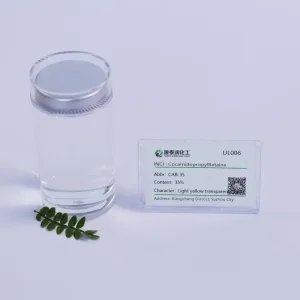
Combines amphoteric CAB-35 (Cocamidopropyl Betaine) and non-ionic APG1214 (Lauryl Glucoside) for rich, low-residue lather.
Sulfate-free formula minimizes skin dryness, suitable for children and sensitive skin.
Includes thickener Xanthan Gum for improved stability and luxurious texture.

Advantages:
Powered by LAS (Linear Alkylbenzene Sulfonate) and solvent EGDS (Glycol Distearate) for rapid breakdown of tough grease.
Enhanced biodegradability with Alkaline Lipase, meeting industrial wastewater regulations.
Highly concentrated formula, dilutable for cost-effective use, reducing overall operational expenses.
Our mission is to drive innovation and efficiency in the global daily chemical industry by providing cutting-edge solutions tailored to our clients' needs.
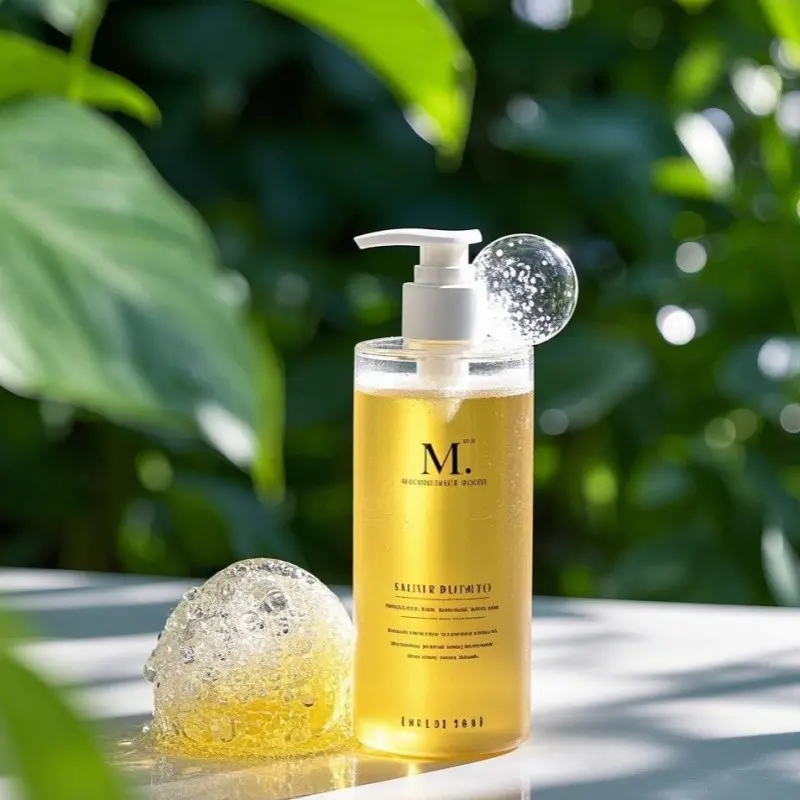

We customize it according to your use scenario, such as hotels, barbershops or retail. Multi-functional & Multiple packaging & different price options available.
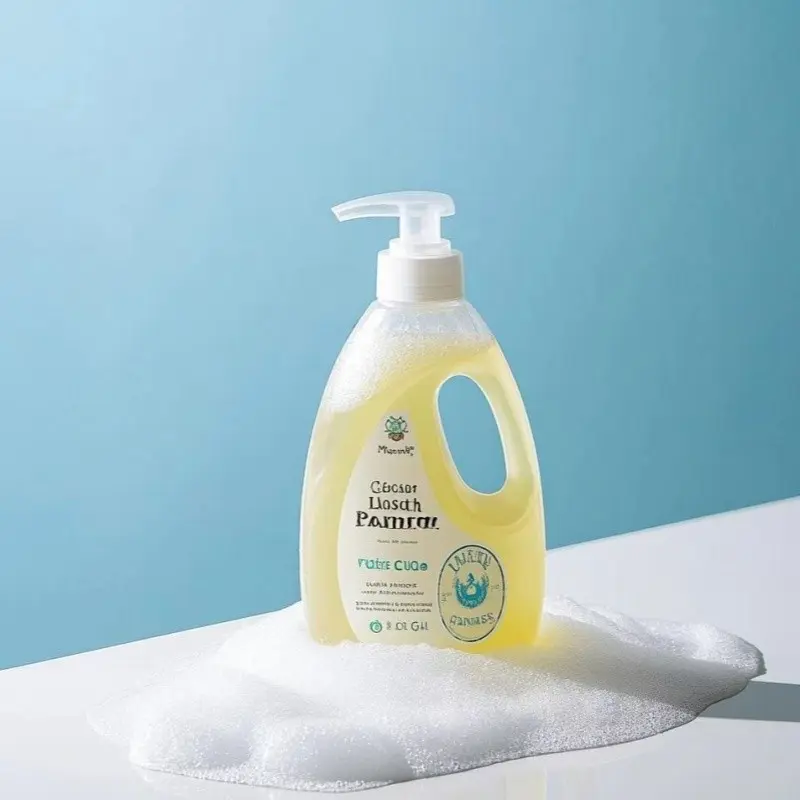
Fragrance & Packaging & Application scope can be fully customized based on client requirements.
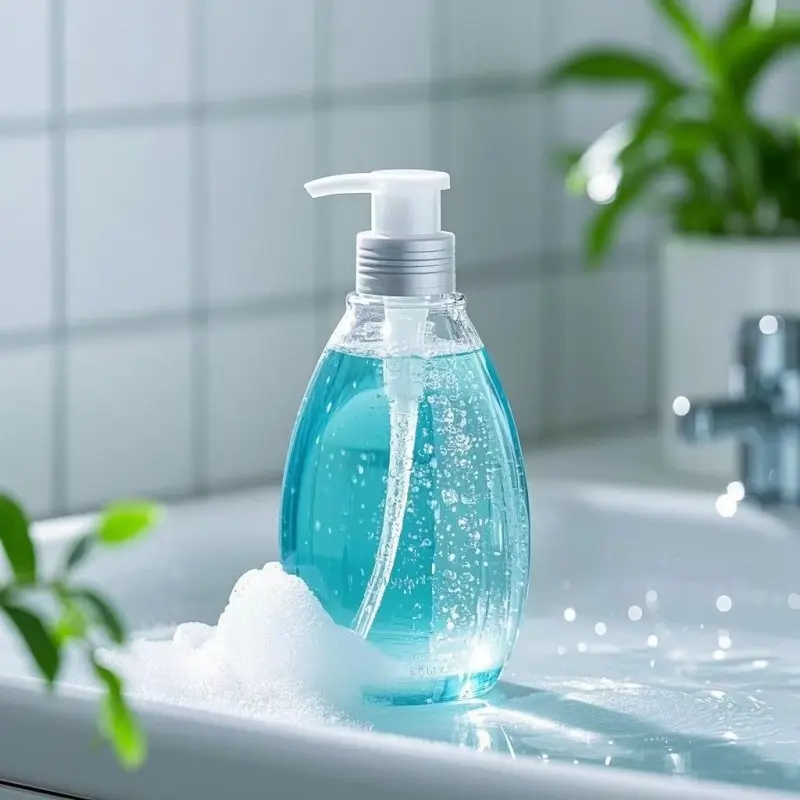
Suitable for a variety of uses, including shopping malls, restaurants, and retail distribution channels.
The manufacturing process of Polysorbate 20 involves two primary chemical reaction stages: sorbitol dehydration followed by ethoxylation. In the first phase, sorbitol is heated under acidic conditions to undergo intramolecular dehydration. This reaction produces sorbitans (mainly 1,4-sorbitan) and isosorbides. Sorbitan is then esterified with high-purity lauric acid (usually derived from coconut or palm kernel oil) to form sorbitan monolaurate (commonly known as Span 20).
In the second phase, the sorbitan ester is subjected to addition copolymerization with ethylene oxide (EO) under basic catalytic conditions. Controlling this process ensures that an average of 20 polyoxyethylene monomer groups are added to the sorbitan ether core. This gives Polysorbate 20 its characteristic high hydrophilicity and oil-in-water (O/W) emulsifying power. Formulators rely on this structure to dissolve essential oils, hydrophobic vitamins, and active ingredients into water-based systems without losing clarity.
The surfactants market is undergoing a significant transition toward sustainability. Key trends reshaping procurement include:
When selecting a Chinese manufacturer or exporter for Polysorbate 20, purchasing teams should verify the following quality indicators on the Certificate of Analysis (COA):
Do you have any demand ? Contact us now !
inquiryAddressing core technical questions from formulation chemists and procurement managers regarding Polysorbate 20 (Tween 20) emulsification performance.
The difference lies in the lipophilic fatty acid chain. Polysorbate 20 is esterified with lauric acid (C12, saturated), making it ideal for solubilizing fragrances and light essential oils. Polysorbate 80 is esterified with oleic acid (C18, unsaturated), which provides superior emulsification for heavy vegetable oils and lipophilic vitamins. Additionally, Polysorbate 20 (HLB 16.7) is slightly more hydrophilic than Polysorbate 80 (HLB 15.0).
Yes, Polysorbate 20 is widely regarded as a mild, non-irritating surfactant. It is commonly used in baby products, micellar waters, and formulations for sensitive skin. It helps lower the overall skin irritation of surrounding anionic surfactants in a blend, making it a valuable addition to gentle formulations.
Polysorbate 20 should be stored in tightly sealed containers, away from direct sunlight and heat. Because ethoxylated surfactants can undergo autoxidation when exposed to air—producing trace peroxides and aldehydes—it is recommended to keep storage temperatures between 15°C and 25°C. For sensitive pharmaceutical formulations, purging the head space of containers with nitrogen can significantly extend the product's shelf life.
Trace amounts of 1,4-dioxane and free ethylene oxide can remain as byproducts of the ethoxylation process. However, cosmetic and pharmaceutical-grade Polysorbate 20 undergoes intensive purification (such as vacuum stripping) to reduce these levels. Standard grades typically maintain 1,4-dioxane levels below 10 ppm, while high-purity grades for sensitive applications keep it under 1 ppm, complying with global regulatory limits.
Real-time understanding of enterprise dynamics and product innovations
Are you looking for a milder anionic surfactant for your premium formula? Runtec®SCI85-Enhances your formula with a gentle, refreshing wash feeling.
Runtec®SCA-30: Sodium Cocoyl Alaninate-An oil-resistant amino acid surfactant with excellent foaming properties, specifically designed for use in shampoos.
This is a skin moisturizer compatible with various oils and featuring strong dispersing power.
Explore our selection of specialized surfactants, chelating agents, and preservatives designed for global formulation requirements.