Explore our foundational selection of high-performance functional chemicals, specialty emulsifiers, and mild surfactants engineered for high-end skincare, cosmetics, and industrial clean-tech applications.
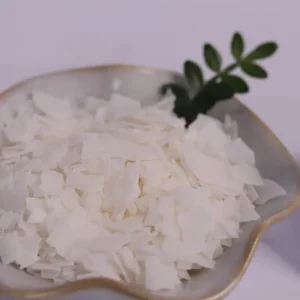
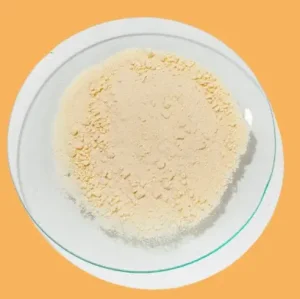
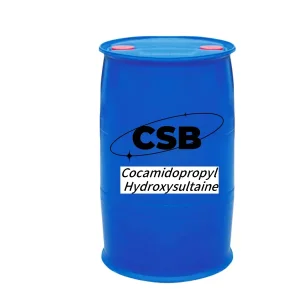
An in-depth chemical and applications review for technical formulators, procurement directors, and research chemists.
Sodium C14-16 Olefin Sulfonate (commonly referred to as AOS - Alpha-Olefin Sulfonate) is a highly versatile anionic surfactant synthesized via the continuous thin-film sulfonation of high-purity C14-16 alpha-olefins using sulfur trioxide (SO3). Unlike linear alkylbenzene sulfonates, its structural composition features a complex thermodynamic blend of alkene sulfonates (typically 60-70%) and hydroxyalkane sulfonates (typically 30-40%). This spatial isomer distribution prevents close packing of the surfactant micelles, yielding a remarkably low Critical Micelle Concentration (CMC) and superior foam kinetics even under extreme hard-water stress.
For modern formulation chemists, Sodium C14-16 Olefin Sulfonate provides a compelling answer to the "sulfate-free dilemma." When formulated in synergistic combinations with amphoteric co-surfactants like Cocamidopropyl Betaine (CAPB) or Cocamidopropyl Hydroxysultaine (CHSB), AOS exhibits an excellent salt-thickening curve response. The C14 portion is responsible for creating a dense, fast-acting flash foam, while the C16 portion forms a strong elastic surfactant network at the interface. This provides a creamy, long-lasting lather profile that rivals traditional SLES/SLS formulations.
AOS is highly regarded for its robust biodegradability. Under OECD test guidelines, it undergoes rapid aerobic biodegradation, breaking down into harmless organic compounds. Its ecological footprint is substantially smaller than ethoxylated surfactants because the manufacturing process avoids the use of ethylene oxide, eliminating the risk of 1,4-dioxane contamination. This chemical pathway aligns seamlessly with Clean Green certification frameworks (such as the US EPA Safer Choice program and EU Ecolabel standards) for sustainable personal care products.
| Surfactant Parameter | Sodium C14-16 Olefin Sulfonate (AOS) | Sodium Laureth Sulfate (SLES) | Linear Alkylbenzene Sulfonate (LAS) |
|---|---|---|---|
| Sulfate-Free Designation | Yes (Sulfonate class, not sulfate ester) | No | Yes (Primarily industrial) |
| 1,4-Dioxane Risk | Zero (No ethoxylation route) | Moderate to High (Trace levels) | Zero |
| Hard Water Foaming Stability | Excellent (Minimal calcium/magnesium sensitivity) | Moderate | Poor (Precipitates easily) |
| pH Stability Range | Wide (pH 2.0 to 12.0) | Narrow (Hydrolyzes at low/high pH) | Wide (pH 3.0 to 11.0) |
| Skin Mildness Index | High (When structured with betaines) | Moderate | Very Low (Highly irritating to lipids) |
Analyzing key industrial market trends, supply channels, and commercial applications of AOS.
Globally, cosmetic and household care brands are systematically phasing out ether sulfates (SLES) and alkyl sulfates (SLS) due to regulatory pressures and consumer preference for clean beauty. In North America and Western Europe, the demand for high-active Sodium C14-16 Olefin Sulfonate powder (90%+) and liquid solutions (35-40%) has reached record highs. AOS serves as the primary foaming engine in sulfate-free shampoos, body washes, and liquid hand soaps.
Beyond personal care, the industrial and institutional (I&I) sector utilizes AOS in heavy-duty degreasers, car washes, acid cleaners, and fire-fighting foams. Because of its outstanding resistance to calcium ions and chemical stability under highly acidic or alkaline conditions, it maintains wetting and cleaning performance where other anionic surfactants would degrade or precipitate.
In oilfields, AOS is used as a foaming agent for enhanced oil recovery (EOR) operations and drilling fluid additives due to its thermal stability at deep-well temperatures. In agriculture, it acts as an emulsifier and wetting agent in pesticide formulation suspensions, ensuring even distribution and absorption of active agents on crop leaves.
Optimized manufacturing and logistics systems ensure high purity, stable pricing, and reliable delivery.
At Suzhou Yuantairun Chemical Co., Ltd. (YTR), we leverage advanced chemical manufacturing and supply networks to secure our position as a leading global supplier of Sodium C14-16 Olefin Sulfonate. Our production process features several distinct advantages:


Assuring you that our products originate from well-managed, sustainable, and highly compliant chemical resources.
We provide a comprehensive range of surfactant chemistries, active ingredients, thickeners, and preservatives, enabling you to optimize shipping costs and streamline supplier management.
Our dedicated application laboratories offer OEM and ODM capabilities, assisting brands with formulation optimization, stability testing, and compatibility analysis.
We optimize our production costs and utilize raw material integrations to offer competitive pricing without compromising on high quality standards.
With structured inventories and smart logistics partners, we deliver materials and products exactly when you need them to keep your manufacturing lines running smoothly.
How Sodium C14-16 Olefin Sulfonate performs across regional markets and demanding application scenarios.
In the US and Canada, consumers prioritize "sulfate-free" and "safer chemistry." AOS serves as the primary foaming surfactant in premium shampoos, body washes, and pet shampoos. It is often paired with Cocamidopropyl Hydroxysultaine and Lauryl Glucoside to create stable, dense lather in soft or hard water conditions.
In Europe, formulation strategies are driven by EU Ecolabel guidelines and strict carbon footprint requirements. AOS is increasingly specified in laundry pods, mild dish washes, and concentrated household sprays. Its high biodegradability profile helps formulations comply with environmental guidelines.
In Asian markets, facial cleansers require high mildness and a clean rinse feel. By combining Sodium C14-16 Olefin Sulfonate with mild amino acid-based surfactants (like Sodium Cocoyl Glycinate or Sodium Lauroyl Aspartate), brands can achieve high lather profiles with reduced skin irritation.
In heavy-duty automotive care, formulations require fast soil release and high foam stability. AOS maintains a rich foam blanket that suspends particulate dirt, protecting paint surfaces during washing. It performs consistently in high-pressure wash setups.
In industrial cleaning settings, formulations must dissolve hydrophobic grease under various temperatures. The C14-16 hydrophobic tail acts as an effective emulsifier, allowing rapid degreasing of mechanical parts and hard surfaces.
Our surfactants and chemical ingredients power high-efficiency formulations across multiple home and personal care sectors.
Application: Home Care (Laundry Detergents, Cleaners)
Core Advantages: Utilizes combinations of SLES (Sodium Laureth Sulfate) and AOS (Sodium Alpha-Olefin Sulfonate) for strong stain removal and rich foam. Combined with CMEA thickeners, these formulations provide high viscosity stability and cleaning performance in cold water.
Application: Personal Care (Facial Cleansers, Body Washes)
Core Advantages: Features Sodium Cocoyl Glutamate and Sodium Lauroyl Sarcosinate for gentle cleansing. These amino acid-based surfactants create a fine, easy-to-rinse lather that cleanses without stripping natural moisture barriers.
Application: Textile Care (Fabric Conditioners)
Core Advantages: Utilizes cationic surfactant systems (such as Cetrimonium Chloride) to provide fiber softening and anti-static properties. Concentrated formulas help reduce packaging footprint and logistics costs.
Application: Personal Care (Shower Gels, Shampoos)
Core Advantages: Combines amphoteric CAB-35 (Cocamidopropyl Betaine) with non-ionic APG1214 (Lauryl Glucoside) for a rich, low-residue lather. These sulfate-free formulations help reduce skin dryness, making them suitable for baby care products.
Application: Industrial Cleaning (Machinery, Vehicle Oil Removal)
Core Advantages: Powered by LAS (Linear Alkylbenzene Sulfonate) and solvent systems to break down tough grease. These concentrated formulas are highly dilutable for cost-effective use in demanding environments.
How we are preparing for the future of sustainable surfactant chemistry.
Historically, alpha-olefins are sourced from petrochemical cracking. Our R&D team is collaborating with biotechnology institutions to source bio-derived alpha-olefins synthesized from renewable plant oils, aiming to reduce the greenhouse gas footprint of our raw materials.
We are developing pre-mixed surfactant concentrates that combine AOS with amino acid surfactants and non-ionic alkyl glucosides. These optimized blends reduce manufacturing complexity for formulators and yield high mildness indices.
Our manufacturing roadmaps aim to achieve closed-loop processing, reclaiming waste heat and recycling sodium sulfate byproducts into auxiliary industrial sectors like glass and paper production.
Custom services to support your brand's application scenarios and packaging specifications.
We customize surfactant systems according to your target scenarios—such as hospitality, hair salons, or retail brands. We support multiple functional claims, fragrances, and pricing tiers to match your needs.
We offer customized formulation parameters, including active content adjustments, targeted enzyme integration, specialty scents, and optimized packaging for consumer or commercial laundry systems.
Mild formulations designed for high-frequency use in shopping centers, corporate facilities, restaurants, and retail distribution channels. We offer custom viscosity ranges, foam styles, and skin conditioning additives.
Ensuring your imported materials meet high regulatory, environmental, and safety standards.
Our raw materials comply with the European Chemicals Agency (ECHA) registration protocols, facilitating seamless chemical imports into the European Economic Area.
All personal care ingredients are listed on the Inventory of Existing Cosmetic Ingredients in China, ensuring compliance for export formulations.
Our manufacturing pathways utilize plant- and synthetic-derived materials, avoiding animal-derived feedstocks or animal testing protocols.
Our manufacturing facilities operate under strict ISO quality management systems, verifying batch-to-batch consistency and trace analysis.
Technical guidance and commercial inquiries regarding Sodium C14-16 Olefin Sulfonate.
Stay informed about surfactant research, regulatory updates, and manufacturing innovations.
Explore how high-purity Sodium Cocoyl Isethionate (SCI85) works in solid syndet bar formulations to deliver an ultra-mild, creamy wash experience.
Read Article →How Sodium Cocoyl Alaninate (SCA-30) helps maintain color retention in premium shampoos while providing stable foam in hard water.
Read Article →An analysis of Cetyl Ethylhexanoate as a lightweight skin moisturizer, dispersing agent, and emollient in modern cosmetic emulsions.
Read Article →Discover our specialized thickeners, moisturizers, and mild anionic surfactants designed to support your product development goals.