Explore our extensive portfolio of high-purity cosmetic ingredients and daily chemical products engineered for next-generation formulations.
Sodium Lauryl Methoxypropionate 30% Clear Liquid (CAS No.: 21539-58-2) represents a groundbreaking evolution in green chemical design. As a specialized mild anionic surfactant and foaming agent, it bridges the historical gap between mildness and foam productivity. Traditional sulfate surfactants, while offering robust flash foam and cleaning efficacy, often damage the delicate lipid bilayer of the skin, resulting in contact irritation. Conversely, standard amino acid-based surfactants struggle to build viscosity or generate stable micro-foam in the presence of hard water and natural sebum.
By integrating a methoxypropionate backbone onto a pure lauryl fatty acid derivative, this compound achieves exceptional surface tension reduction while exhibiting a safety profile compatible with infant care and medical-grade dermatological applications. Furthermore, its unique molecular architecture allows it to function concurrently as a mild hair conditioner and formulation thickener, providing cosmetic chemists with an elegant route to reduce ingredient counts (clean-label formulation design) without compromising product performance.
Formulation Insight: Utilizing CAS No. 21539-58-2 allows personal care formulators to achieve up to 40% reduction in secondary rheology modifiers while maintaining a high yield value and a rich, honey-like flow profile.
The performance of Sodium Lauryl Methoxypropionate is highly dependent on its active concentration and control of by-products. Our industrial-grade 30% clear liquid formulation is optimized to ensure maximum phase stability, preventing low-temperature crystallization or high-temperature separation. Below are the key chemical characteristics of our material:
| Parameters | Standard Specification | Testing Protocol |
|---|---|---|
| Chemical Name | Sodium Lauryl Methoxypropionate | IUPAC Nomenclature |
| CAS Number | 21539-58-2 | Global CAS Registry |
| Active Matter (%) | 30.0 ± 1.0% | Hyamine Titration |
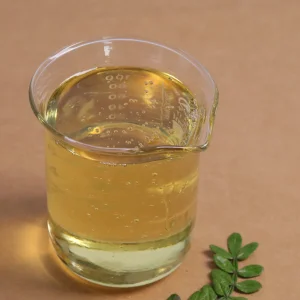
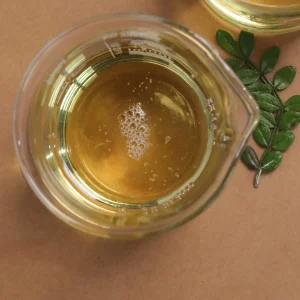
| Appearance (25°C) | Colorless to Light Yellow Clear Liquid | Visual Inspection |
| pH (5% aqueous soln) | 6.0 - 7.5 | Potentiometric measurement |
| Free Fatty Acid (%) | ≤ 1.5% | Acid Value Titration |
| Sodium Chloride (%) | ≤ 0.8% | Silver Nitrate Titration |
The ether linkage provided by the methoxypropionate group introduces steric hindrance within the surfactant micelle. This structure lowers the Critical Micelle Concentration (CMC) compared to traditional linear alkyl carboxylates. As a result, the compound effectively traps oils at much lower concentrations, preventing the excessive removal of essential intercellular lipids. The conditioned feel left on hair fibers is due to the delicate balance of electrostatic attraction between the slightly cationic charge variants under formulated acidic conditions and the keratinized surface of damaged hair.
Developing consumer formulations requires adaptation to local regulatory definitions, water hardness variations, and consumer sensory preferences. Here, we outline the primary commercial fields of application for Sodium Lauryl Methoxypropionate 30%:
Modern hair care is undergoing a "skinification" trend, where scalp health is prioritized alongside fiber conditioning. In salon-grade formulations, Sodium Lauryl Methoxypropionate acts as a primary surfactant that rinses away without leaving irritating residues on follicular openings. It protects the scalp barrier from dryness, making it an ideal choice for anti-dandruff and hair loss prevention shampoos.
Infant skin is significantly thinner and less protected by natural sebum than adult skin. In tear-free formulations, the high hydration capability of CAS No. 21539-58-2 prevents swelling of the stratum corneum cells, which is the primary cause of stinging eyes and skin redness. It blends harmoniously with non-ionic APG0810 and amphoteric CAB-35 to yield stable, creamy foams that rinse clean.
Facial cleansers require deep pore cleaning without over-stripping moisture. In clear gel facial washes, Sodium Lauryl Methoxypropionate provides both the cleaning mechanism and the rheological response. By responding synergistically with organic salt additives, it naturally increases viscosity, reducing the need for carbomer or synthetic gum thickeners that can dull skin clarity and feel.
The global surfactant industry is undergoing a structural shift driven by green consumerism and carbon taxes. Regulatory bodies such as the European Chemicals Agency (ECHA) and the US EPA are continuously restricting petrochemical-derived, ethylene-oxide-containing surfactants like SLES. Under REACH regulations, companies are actively seeking renewable alternatives that maintain similar thickening and foaming properties.
Sodium Lauryl Methoxypropionate offers a viable alternative to traditional surfactants. Its high biodegradability and low aquatic toxicity profile ensure compliance with European Ecolabel standards and the EPA's CleanGredients program. Globally, multinational brands are reforming their personal care lines to eliminate 1,4-dioxane impurities—a common byproduct in ethoxylated surfactants. Because our manufacturing process does not use ethoxylation, this material is 100% free from 1,4-dioxane, addressing a major regulatory hurdle for exports to North American and EU markets.
Our commitment to green chemistry guides the technical roadmap for Sodium Lauryl Methoxypropionate. Over the next five years, our R&D focus is centered on two main objectives:
Currently, the lauryl fatty acid fraction of our surfactant is derived from natural, RSPO-certified palm kernel oil or coconut oil. The methoxypropionate group is partially derived from synthetic intermediates. Our target is to utilize bio-methanol and bio-propionic acid derived from agricultural waste gasification, achieving a 100% bio-based carbon content verified by ASTM D6866 carbon dating.
Energy consumption during cosmetic manufacturing is a significant contributor to carbon footprints. Traditional paste or solid surfactants require heating to 75-80°C to achieve full dissolution and hydration. Our 30% clear liquid version is optimized for completely cold-process manufacturing, allowing direct blending at room temperature. This reduces production energy consumption by up to 60%, supporting green manufacturing goals.
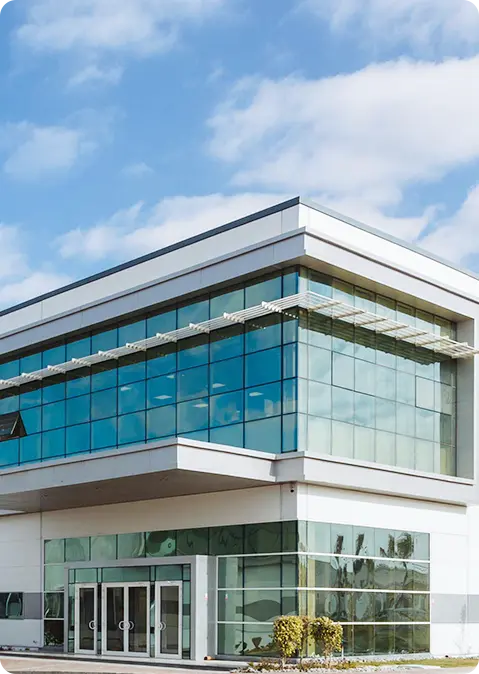
Suzhou Yuantairun Chemical Co., Ltd. operates a modern production facility in China's chemical manufacturing hub. Our infrastructure is designed to maintain consistent supply chain reliability during global trade shifts.
Navigating global compliance is essential for cosmetic ingredient sourcing. We provide a full suite of analytical testing and documentation to streamline your regulatory approval processes. Each batch of Sodium Lauryl Methoxypropionate 30% is accompanied by a Certificate of Analysis (COA), Technical Data Sheet (TDS), and an up-to-date Safety Data Sheet (SDS) compliant with GHS regulations.
Additionally, our in-house lab team is available to assist with formulation development, troubleshooting issues such as viscosity building, compatibility with cationic polymers, and stability testing. We offer custom ODM/OEM solutions to tailor the surfactant's concentration, pH, or preservative systems to match your product design goals.
Providing high-purity chemical raw materials with integrated R&D, manufacturing, and global supply chain services.
We supply a wide range of mild anionic, amphoteric, and non-ionic surfactants, simplifying procurement for complex, clean-label cosmetic formulations.
Our research facility supports custom synthesis, formulation optimization, and stability analysis, providing OEM/ODM solutions tailored to customer requirements.
Our raw material sourcing network and scale-focused production enable us to deliver high-quality surfactants at competitive prices.
We work with international logistics partners to coordinate shipments, ensuring raw materials arrive in alignment with customer production schedules.
As a leading supplier in the daily chemical raw materials industry, Suzhou Yuantairun Chemical Co., Ltd. is dedicated to delivering high-quality products and comprehensive one-stop services to support our customers in R&D, production, and supply chain optimization.
Our mission is to drive innovation and efficiency in the global daily chemical industry by providing cutting-edge solutions tailored to our clients' needs. We assure you that our products originate from well-managed and sustainable resources.
Explore target applications using our diverse surfactant range to balance performance, cost, and skin compatibility.
Primary Surfactant: SLES combined with AOS.
Viscosity Builders: CMEA.
Core Advantages: High cleaning efficiency, rapid biodegradation, and skin-friendly properties under hard water conditions.
Primary Surfactant: Sodium Cocoyl Glutamate and Sodium Lauroyl Sarcosinate.
Target Demographics: Hypoallergenic, sensitive skin.
Regulatory Compliance: ECOCERT compliant, supporting clean-beauty brand initiatives.
Active Ingredient: Cetrimonium Chloride.
Applications: Concentrated fabric and hair conditioners.
Core Advantages: Reduces static cling, improves fabric hand feel, and remains stable at low process temperatures.
Technical guidance and application support for Sodium Lauryl Methoxypropionate 30% Clear Liquid.
Contact our technical service team to request samples, detailed safety data, or custom formulation assistance for your market.
Inquire NowExplore our full range of high-performance preservatives, conditioners, non-ionic thickeners, and functional cosmetic bases.