
Providing high-purity anionic, nonionic, and amphoteric surfactant systems engineered for professional home care, personal care, and industrial formulations.
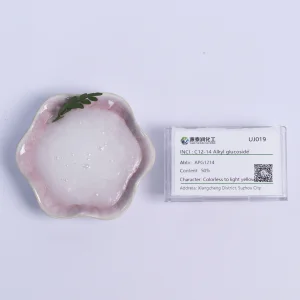
A comprehensive analysis of Sodium Polyoxyethylene Lauryl Ether Sulfate (SLES) manufacturing pipelines, green chemistry shifts, and localized industrial applications.
Sodium Polyoxyethylene Lauryl Ether Sulfate (commonly known as Sodium Laureth Sulfate or SLES, CAS No. 68585-34-2 / 9004-82-4) represents the cornerstone of modern surfactant chemistry. Belonging to the anionic surfactant class, it features a lipophilic alkyl carbon chain (typically C12-C14) combined with a hydrophilic polyoxyethylene ether group and a sulfate head group.
The introduction of the ethoxy (EO) group between the fatty alcohol chain and the sulfate group significantly reduces skin irritation compared to non-ethoxylated homologs like Sodium Lauryl Sulfate (SLS). SLES is highly valued in the consumer chemical sector due to its superb foaming capacity, remarkable tolerance to hard water, and rapid biodegrade rates. It forms liquid crystals at varying concentrations, transitioning from spherical micelles to rod-like micelles, which plays a pivotal role in formulating high-viscosity body washes, shampoo bases, and heavy-duty liquid detergents.
The manufacturing roadmap of SLES utilizes high-capacity falling-film sulfation reactors. Primary fatty alcohols ($C_{12}$-$C_{14}$) undergo ethoxylation using ethylene oxide (EO) catalyst systems to form fatty alcohol polyoxyethylene ethers (AEO series). This intermediate is continuously reacted with sulfur trioxide ($SO_3$) gas under tight temperature ranges to prevent color deterioration and minimize the byproduct 1,4-dioxane. The resulting laureth sulfuric acid is neutralized instantaneously with sodium hydroxide ($NaOH$) to stabilize the compound.
In recent years, the surfactant industry has prioritised the removal of 1,4-Dioxane, a suspected carcinogen formed through secondary cyclization reactions. Advanced factories implement continuous vacuum-stripping columns directly downstream from the neutralization loop to drive 1,4-dioxane content below 10ppm, and in specialized premium grades, below 1ppm. Concurrently, sustainability mandates have driven a transition toward bio-based EO (sourced from sugarcane-derived bio-ethanol) and RSPO-certified palm kernel oil-based fatty alcohols, aligning SLES production pipelines with circular economy metrics.
The global demand for SLES remains highly resilient, driven by its status as an irreplaceable primary surfactant. In highly regulated markets such as North America and the European Union, the market is shifting toward low-dioxane formulations and RSPO-certified palm oil derivatives. In these regions, SLES is frequently paired with secondary amphoteric co-surfactants (e.g., Cocamidopropyl Betaine - CAB-35) or nonionic alkyl polyglucosides (APG) to produce mild, high-performance dermatological formulations.
In rapid-growth markets across Latin America, Asia-Pacific, and the Middle East, the surge in liquid laundry detergents and household cleaning products has accelerated the demand for high-active matter SLES (typically 70% paste). This form is preferred for maritime transport due to its reduced water weight, yielding significant savings in intercontinental shipping fees. Formulation units in destination countries dilute this paste down to 25%-28% active concentrations for regional product lines.
Leveraging Suzhou Yuantairun Chemical Co., Ltd.'s raw material localization, processing systems, and strict QC control protocols.
Strategic geographic location in Suzhou allows direct access to continuous ethylene oxide (EO) pipelines and large-scale fatty alcohol chemical hubs, stabilizing raw material costs.
Equipped with advanced gas chromatography (GC) and high-performance liquid chromatography (HPLC) to accurately monitor 1,4-dioxane limits, color index, and active concentrations.
Offering bespoke adjustments to etherification degrees (e.g., 1EO, 2EO, 3EO configurations) and custom packaging solutions, from IBC totes to flexitanks.
Integrated supply chain pathways with major East China deepwater ports (Shanghai/Ningbo) ensure reliable container availability and predictable shipping cycles.
How global formula developers integrate SLES and synergistic surfactants to optimize performance and sensory profiles.
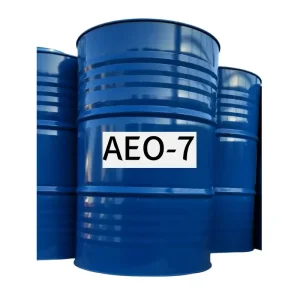
Utilizes SLES and AOS as core anionic structures to generate rapid wash foam and break down organic soils. Combined with non-ionic ethoxylates (like AEO-7 or AEO-9) and CMEA/CDEA thickeners to establish stable wash viscosity across temperature zones.
In premium personal care, SLES is paired with mild amino acid cleansers, such as Sodium Lauroyl Sarcosinate (LS-100N) or Sodium Cocoyl Glutamate, to reduce overall irritation while keeping production costs scalable.
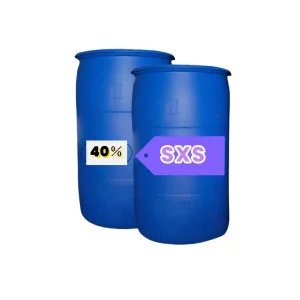
For industrial applications requiring intense oil emulsification, SLES is paired with Linear Alkylbenzene Sulfonate (LAS). Sodium Xylene Sulfonate acts as a hydrotrope to prevent phase separation in highly concentrated formulas.
Suzhou Yuantairun Chemical Co., Ltd. is dedicated to delivering high-quality products and comprehensive one-stop services to support our customers in R&D, production, and supply chain optimization.
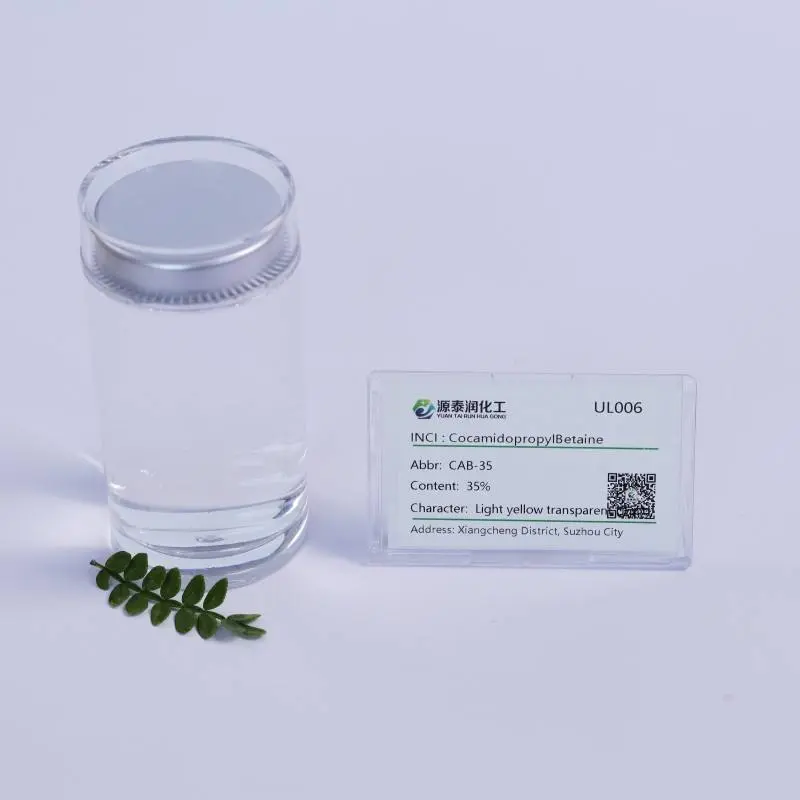
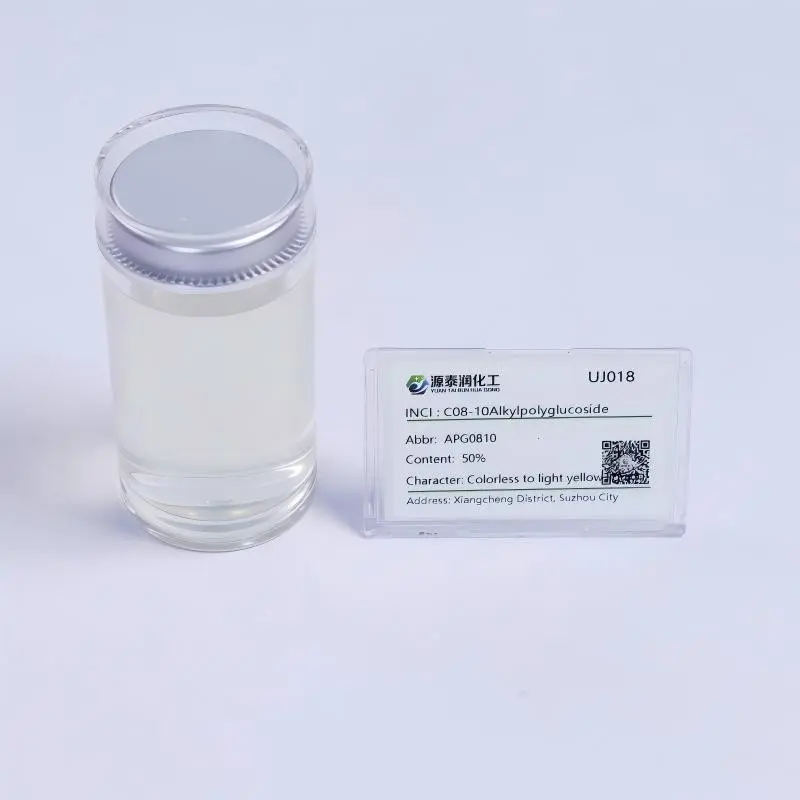
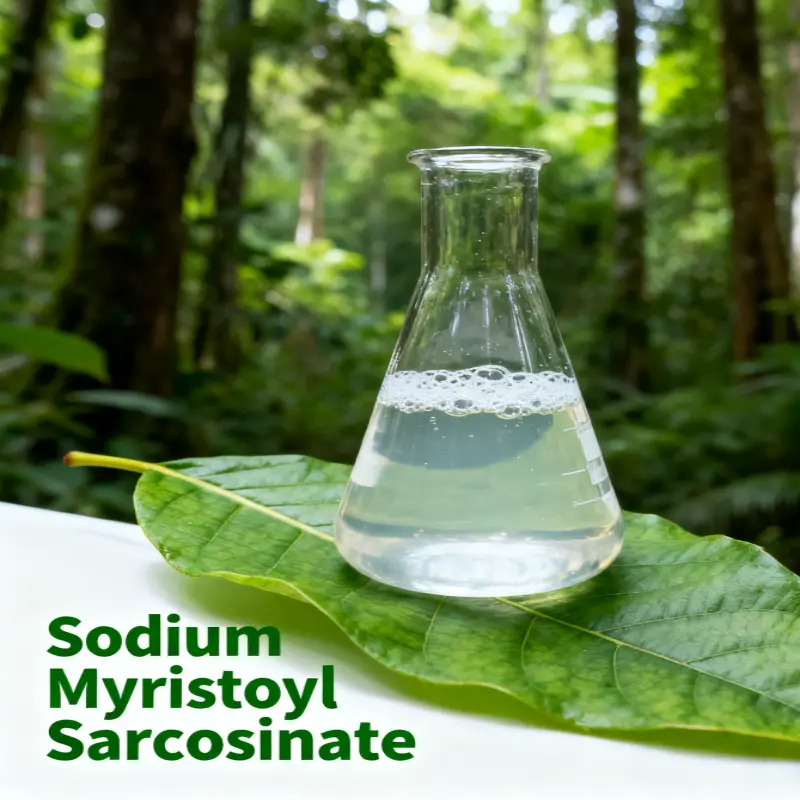
Assuring you that our daily chemical products originate from well-managed, sustainable, and strictly monitored manufacturing resources.
We provide a comprehensive range of surfactant portfolios, chemical thickeners, and functional cosmetic raw materials under one roof.
Equipped with modern chemical laboratories to handle customized OEM/ODM projects, matching the strict sensory specifications of clients globally.
Enjoy stable, raw-material-linked pricing schemes that help protect batch production budgets from sharp market fluctuations.
Materials and products are delivered to international ports exactly when needed, eliminating excessive storage costs for our clients.
Established in 2010, Suzhou Yuantairun Chemical Co., Ltd. has developed into a reliable manufacturing exporter and bulk supplier of daily chemical raw materials. We specialize in synthesizing and trading advanced surfactants, organic solvents, and functional preservatives.
Over more than a decade of development, Yuantairun has formed lasting cooperative partnerships with over 7,000 clients worldwide. By bridging standard chemical processing with strict quality assurance, we guarantee high batch-to-batch consistency, helping downstream brands scale production efficiently and confidently.
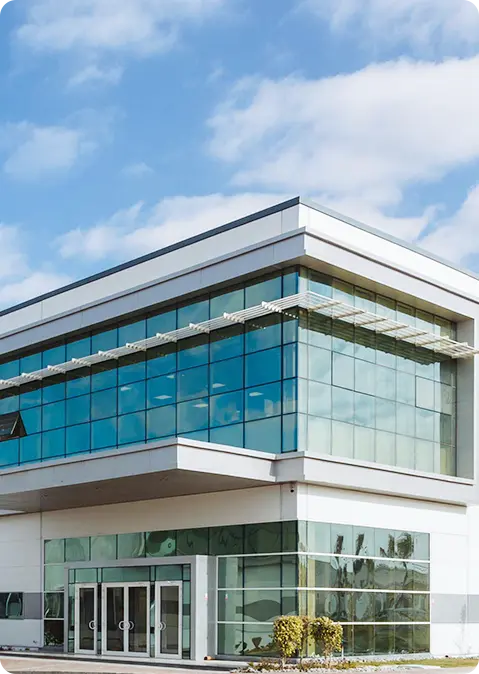
Leveraging high-active systems to craft superior cleansing and conditioning agents.
Core Surfactants: SLES and AOS are blended for strong cleaning and rich foam. Combined with CMEA thickeners to optimize product texture and user experience. Complies with international standards.
Formulation: Features Sodium Cocoyl Glutamate and Sodium Lauroyl Sarcosinate. Delivers mild cleansing without stripping skin moisture, meeting the demand for clean beauty.
Formulation: Uses cationic surfactant 1631-70 (Cetrimonium Chloride) to provide soft fabric feel and reduce static charge. Ideal for concentrated formula products.
Driving formulation efficiency by delivering customized product lines tailormade to client use cases.
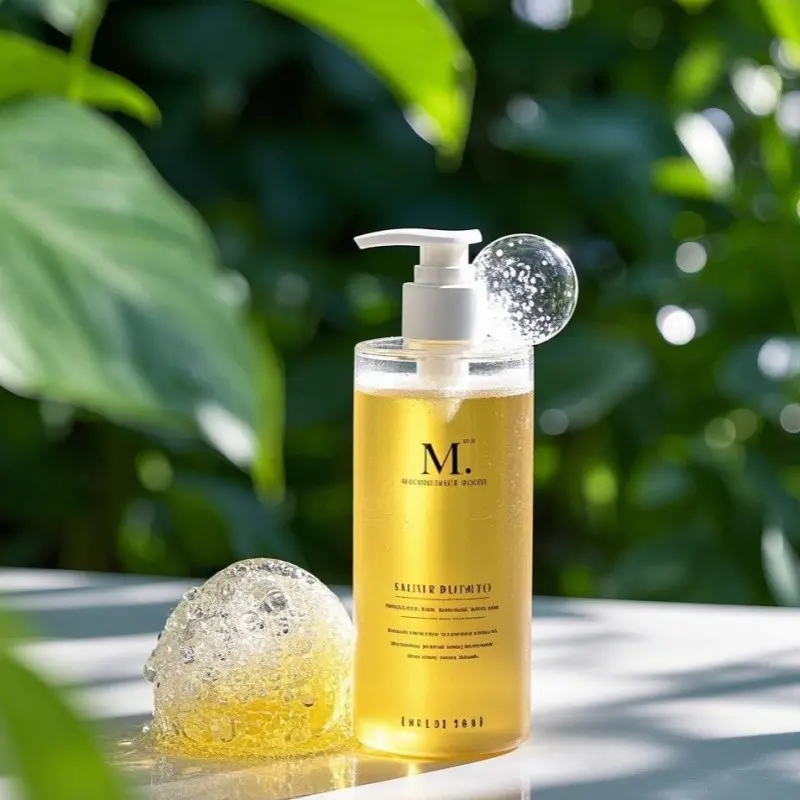
Customized formulations targeting retail, salon, or institutional markets, offering flexible fragrance, active concentrations, and packaging.
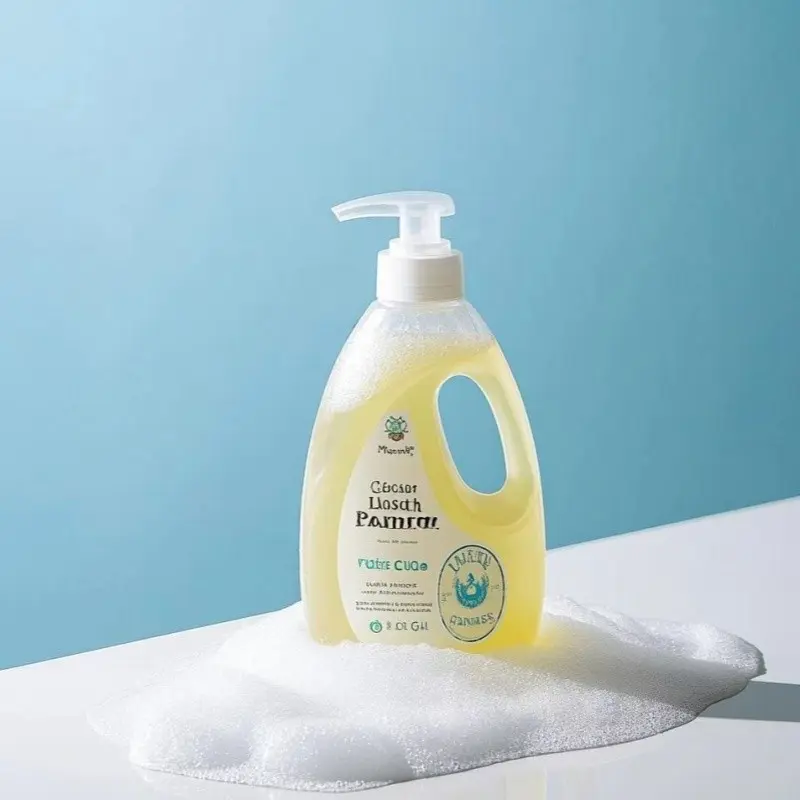
Tailored enzyme blends, scent profiles, and viscosity setups engineered for top-load, front-load, and high-efficiency machines.
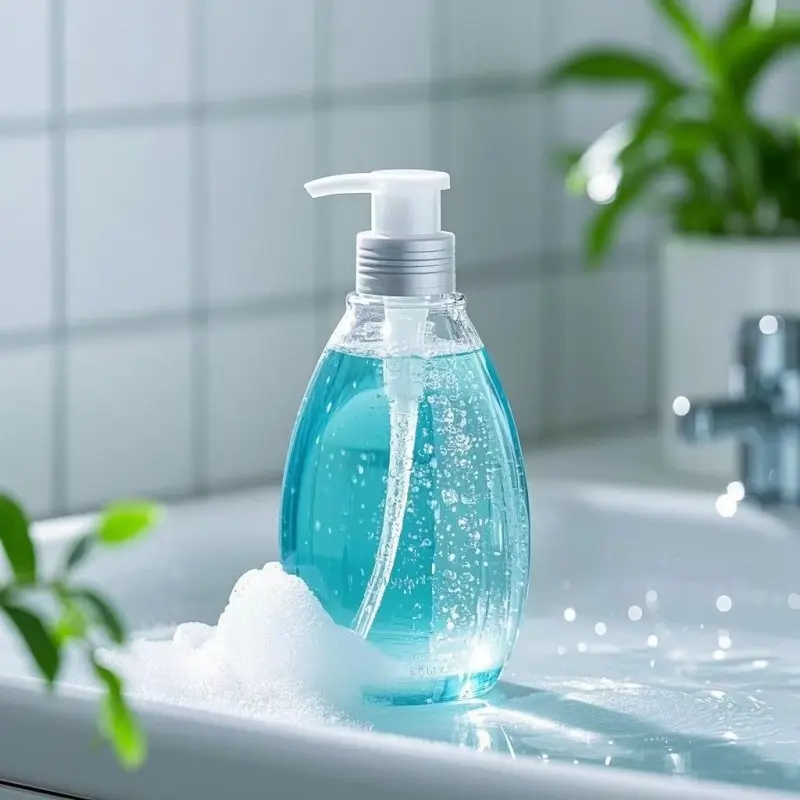
Mild formulas designed for heavy public use in shopping centers, dining halls, and commercial office hubs.
Expert answers addressing the dilution, formulation stability, and storage of Sodium Polyoxyethylene Lauryl Ether Sulfate (SLES).
Premium auxiliary surfactants, thickeners, skin conditioners, and cosmetic preservatives.
Get in touch with our technical sales division to request product samples, custom dilutions, or updated pricing sheets.
Submit RFQ / Inquiry