Added Preservatives: Global Market Dynamics & Formulative Science
An in-depth whitepaper on the integration of sustainable, high-efficacy preservative systems in cosmetic, home care, and industrial chemical manufacturing.
1. The Paradigm Shift in Global Industrial Preservation
The global chemical and personal care industries are navigating a significant transition in microbiological protection. Historically, product integrity was maintained via standard, broad-spectrum biocide additions. However, due to regulatory contractions, safety reclassifications, and consumer-driven "clean beauty" mandates, manufacturers can no longer rely on traditional preservative archetypes such as formaldehyde donors, parabens, or triclosan. The focus has decisively shifted toward modern, multifunctional preservation technologies and synergistic blends.
Modern cosmetic science defines preservation not merely as the addition of single active molecules, but as an integrated formulation approach known as Hurdle Technology. By combining chemical hurdles (such as optimal pH ranges, low water activity, chelating systems, and synergistic preservative matrices), raw material suppliers are enabling formulators to reduce the absolute concentration of active biocides while ensuring superior broad-spectrum protection against Gram-negative bacteria, Gram-positive bacteria, yeasts, and molds.
2. Technical Analysis of Synergistic Blends & Preservative Boosters
In high-performance personal care formulations, composite systems like Phenoxyethanol combined with Ethylhexylglycerin (e.g., PE9010) represent the gold standard of modern preservation. Phenoxyethanol functions primarily as an effective bactericide with particular efficacy against Gram-negative species. However, when paired with Ethylhexylglycerin—a surfactant-like booster—the surface tension of the microbial cell membrane is altered. This increases the penetration rate of Phenoxyethanol, lowering the Minimum Inhibitory Concentration (MIC) required for systemic stability.
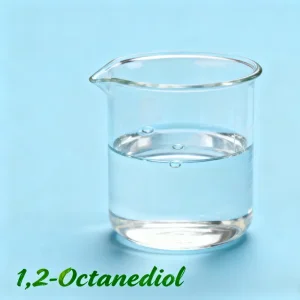
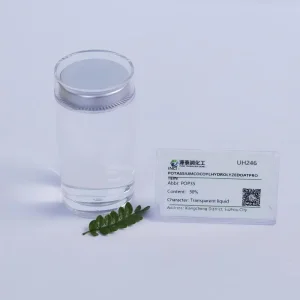
Similarly, diols such as 1,2-Octanediol (Caprylyl Glycol) serve a dual purpose as excellent humectants and powerful co-preservatives. In formulations utilizing amino acid-based surfactants (like Sodium Lauroyl Sarcosinate or Potassium Cocoyl Hydrolyzed Oat Protein), these diols disrupt the lipid layers of microbial cells, amplifying the overall efficacy of the preservative system. Below is a comparative overview of common preservative components and stabilizers:
| Active Component / Raw Material | CAS Number | Primary Role in Preservation & Formulation | Target Microorganisms / Efficacy Booster |
|---|---|---|---|
| Phenoxyethanol (90%) + Ethylhexylglycerin (10%) | 122-99-6 + 70445-33-9 | Broad-spectrum composite preservative system | Gram-negative & Gram-positive bacteria, yeasts, molds |
| 1,2-Octanediol (Caprylyl Glycol) | 1117-86-8 | Humectant & preservative booster (cell membrane disruptor) | Enhances bactericidal activity of primary preservatives |
| Dipotassium Glycyrrhizinate | 68797-35-3 | Anti-irritant, anti-inflammatory & formulation stabilizer | Supports formula compatibility by reducing irritation from active surfactants |
| Xanthan Gum (Cosmetic Grade) | 11138-66-2 | Rheology modifier, emulsion stabilizer, suspending agent | Prevents phase separation, maintaining spatial distribution of biocides |
| Disodium Edetate Dihydrate (EDTA) | 6381-92-6 | Chelating agent & microbiological co-factor binder | Disrupts outer bacterial membrane, increasing biocide susceptibility |
3. Supply Chain Resilience & Global Commercial Status
From an industrial standpoint, procurement security for critical raw materials is paramount. The manufacture of surfactant matrices, pearlescents, and preservatives requires precise control over raw material precursors. For instance, quality fluctuations in fatty acids (such as Stearic Acid 1801) directly impact the viscosity, stability, and downstream preservative load requirement of cosmetic emulsions.
SuZhou Yuantairun Chemical Co., Ltd. addresses these global commercial needs through vertically integrated supply pipelines and localized storage hubs. Our facility is designed to guarantee high-purity production output while ensuring that stabilizers, surfactants, and preservatives remain uncompromised from the factory floor to the global client warehouse. By focusing on sustainable sourcing, we ensure that brands can align their sustainability promises with their physical supply chains.