
Explore our primary selection of surfactants, rheology modifiers, and biological active agents designed to establish stable emulsion systems and yield ideal flow behaviors.
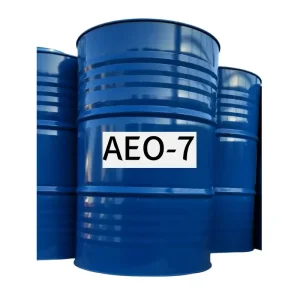
High-Quality Polyoxyethylene Ether Methyl Ether Laundry Detergent/Aeo-7 Moa-9/Aeo-9 surfactant raw material.
Learn More →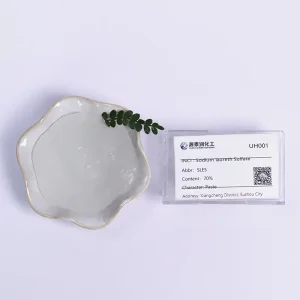
Sodium Lauryl Ether Sulfate 70% natural source anionic surfactant foaming agent for skin and personal care.
Learn More →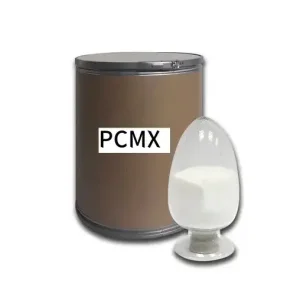
Wholesale 4-Chloro-3 5-Dimethylphenol Chloroxylenol active antibacterial agent and stabilizer.
Learn More →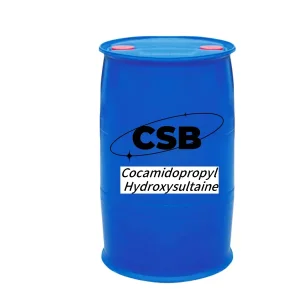
Cosmetic Grade Cocamidopropyl Hydroxysultaine CSB 35% 50% CAS 68139-30-0 mild secondary surfactant.
Learn More →
Wholesale Paas Acrylic Acid Homopolymer Anti-redeposition detergent booster CAS 9003-04-7.
Learn More →
Food and Cosmetic Grade Daily Chemicals Raw Material Additive for pH control and preservation.
Learn More →
Nonionic Glycosides Moisturizers Emulsifier Antioxidant for premium personal care lines.
Learn More →
Cosmetic Grade Amino Acid Surfactant & Foaming Agent for mild cleaning systems CAS 137-16-6.
Learn More →In the modern personal care market, consumers demand more than basic cleansing. The global trend towards "Skinification" of body care means body washes, shower gels, and bath oils are expected to deliver deep hydration, gentle exfoliation, and elegant textures. This evolution presents formulation challenges for daily chemical factories worldwide: building viscosity in systems that use mild, non-irritating, and eco-friendly surfactants.
Traditional viscosity builders relied heavily on inorganic salts (such as Sodium Chloride) and cocamide DEA to build micellar structures. However, modern clean-label demands and the rising market share of amino-acid and alkyl glucoside (APG) surfactants require sophisticated organic rheology modifiers. High-efficiency thickening raw materials, such as PEG-120 Methyl Glucose Dioleate and amphoteric surfactants like Cocamidopropyl Betaine (CAB-35), provide options that stabilize lather and viscosity without irritating the skin barrier.
Suzhou Yuantairun Chemical Co., Ltd. addresses these global formulation trends by offering high-purity thickening agents, nonionic surfactants, and specialty cosmetic raw materials. Our factory solutions enable international brands and contract manufacturers to optimize their formulas for stability, mildness, and sensory experience.

We assure you that our products originate from well-managed, sustainable resources, backed by advanced scientific infrastructure.
We supply a diverse catalog of raw materials, ranging from mild anionic and amphoteric surfactants to specialty thickeners, preservatives, and moisturizers.
Our advanced formulation lab offers comprehensive OEM and ODM support, assisting clients with regulatory compliance, rheology profiling, and stability testing.
We maintain competitive pricing by leveraging optimized production processes and direct raw material sourcing, passing cost efficiencies on to our customers.
Our global logistics network guarantees prompt delivery of key materials and chemicals, helping manufacturers avoid production downtime and reduce inventory costs.
Thickening a personal care formulation is not simply a matter of increasing density; it is about managing the intermolecular forces within surfactant micelles. In a typical body wash system containing primary anionic surfactants like SLES 70% or AOS 92%, the molecules self-assemble into spherical micelles in aqueous solutions. These spherical shapes offer low resistance to flow, resulting in a thin, watery texture.
To convert these spherical micelles into elongated, rod-like structures that entangle and build viscosity, formulators employ two primary thickening strategies:
By introducing sodium ions (from sodium chloride), the electrical charge on anionic surfactant headgroups is shielded. This reduction in electrostatic repulsion allows the micelles to pack more tightly and stretch into rod-like configurations. This method works well with SLES and AOS but is less effective in sulfate-free, amino-acid-based, or nonionic surfactant systems.
Associative thickeners, such as PEG-120 Methyl Glucose Dioleate, feature a hydrophilic backbone and hydrophobic tails. The hydrophobic portions insert themselves into different surfactant micelles, bridging them together. This physical network increases the formulation's viscosity and yield value, stabilizing suspended oils, beads, or exfoliants independent of electrolyte levels.
Using polymeric thickeners also improves the mildness of the formulation. Anionic surfactant micelles can bind to skin proteins, causing dryness and irritation. The addition of associative thickeners and amphoteric co-surfactants, such as Disodium Cocoamphodiacetate, modifies the micellar structure, reducing the concentration of free surfactant monomers and making the overall formulation gentler on the skin.
We design custom solutions tailored to specific commercial application scenarios, balancing performance, skin feel, and raw material costs.
Application: Premium Facial & Sensitive Skin Cleansers.
Key Actives: Sodium Methyl Cocoyl Taurate 95% Powder & Sodium Lauroyl Sarcosinate.
Advantages: Mild, dense foam structure with skin-compatible pH. High stability in hard water and low irritation index.
Application: Tear-Free Shampoos & Bubble Baths.
Key Actives: Disodium Cocoamphodiacetate & Cocamidopropyl Betaine (CAB-35).
Advantages: Gentle surfactant systems that do not strip natural lipids, thickened with natural-derived glucoside esters.
Application: Thickened Bleach Cleaners & Disinfectants.
Key Actives: Sodium Hypochlorite Thickener Raw Materials.
Advantages: Maintains viscosity in high-pH, highly oxidative environments, improving surface contact time and cleaning performance.
Exporting daily chemical raw materials internationally requires strict adherence to regional safety and environmental standards. As a global supplier, Suzhou Yuantairun Chemical Co., Ltd. ensures that our chemical raw materials comply with critical standards including REACH, RSPO, HALAL, and other chemical inventory regulations.
For brands targeting EU and North American markets, we provide low-dioxane SLES 70% and palm-derived ingredients that meet RSPO mass-balance certification criteria. This commitment supports ethical sourcing initiatives and helps brands navigate consumer demands for sustainability.
Our export and documentation team assists with technical documentation, including Safety Data Sheets (SDS), Certificates of Analysis (COA), and technical datasheets, to streamline customs clearance and raw material qualification.

Detailed technical guidance for cosmetic chemists and purchase managers evaluating thickening options.
Complementary raw materials, moisturizers, preservatives, and foam boosters to optimize viscosity, stabilization, and skin barrier protection.
Small molecule moisturizer, solvent, and booster preservative for premium skin care formulations.
Learn More →
Thickener raw materials for industrial cleaning agents and high-stability bleaching systems.
Learn More →
Amino acid surfactant, foaming agent, and thickener conditioner CAS No. 21539-58-2.
Learn More →
Amphoteric surfactant, foaming and thickening agent for baby wash and personal care.
Learn More →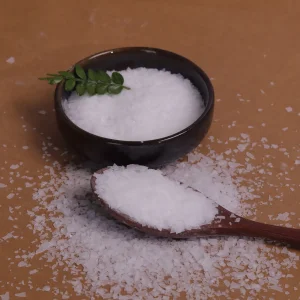
Nonionic surfactant and primary rheology modifier for sulfate-free formulations CAS 86893-19-8.
Learn More →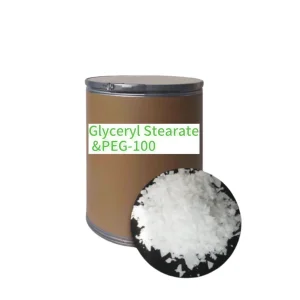
Co-emulsifier and viscosity builder GMS-165 raw material for creams, washes, and emulsions.
Learn More →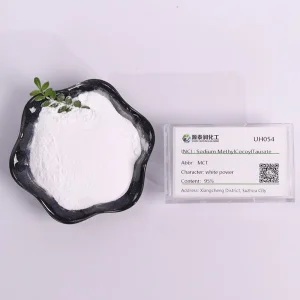
Preservative-free amino acid surfactant powder with high foaming capacity for face wash products.
Learn More →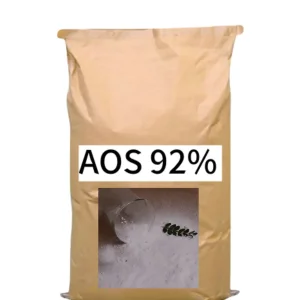
High-quality anionic surfactant powder for heavy-duty daily chemical formulations.
Learn More →The personal care market is moving toward greater sustainability and circular economy principles. The next generation of body bath thickeners will focus on 100% bio-based structures, zero toxicity, and clean biodegradation profiles.
Suzhou Yuantairun Chemical Co., Ltd. is focusing its R&D roadmap on natural polysaccharides, modified cellulose systems, and fermentation-derived rheology modifiers (such as succinoglycan and gellan gum). These bio-polymers build high yield value (improving suspension power for active beads and oils) while preserving the skin's natural moisture barrier.
We are also optimizing our surfactant synthesis processes to reduce trace impurities. Our target is to supply high-purity raw materials that help cosmetics factories reduce energy consumption during mixing, supporting sustainable practices throughout the manufacturing lifecycle.