Explore our premium selection of daily chemical raw materials and natural origin cosmetic-grade functional additives.
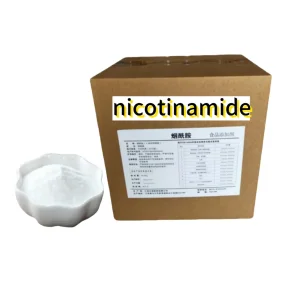
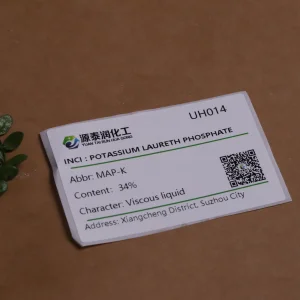
In modern sustainable formulation chemistry, coconut-derived zwitterionic surfactants (amphoteric surfactants) have transitioned from simple secondary foaming agents to central components of green surfactant packages. Derived mainly from the fatty acids of Cocos nucifera (coconut oil), these molecules feature both cationic and anionic centers within the same headgroup structure. This unique chemical configuration yields outstanding dermatological safety profiles, high foaming capacity, and synergistic compatibility with anionic, cationic, and non-ionic surfactant matrices.
As global manufacturers shift away from petroleum-derived chemistries to align with carbon-neutral targets, bio-based surfactants represent one of the fastest-growing industrial segments. According to global chemical intelligence reports, the market for bio-derived amphoterics is projected to reach several billion USD by 2030, growing at a CAGR of over 6.5%. The market growth is fueled by consumer preference for "clean beauty," stringent environmental regulations like REACH in Europe, and corporate net-zero sustainability mandates.
Unlike simple anionic surfactants (such as SLES or LAS) which carry a net negative charge, or cationic surfactants (such as Cetrimonium Chloride) which carry a net positive charge, zwitterionic surfactants exhibit a dual-charge structure. At typical formulation pH ranges (neutral to slightly acidic, mirroring human skin pH 5.5), these molecules display an isoelectric region where their overall charge behavior minimizes skin irritation.
The most common commercial variants include Cocamidopropyl Betaine (CAB), Coco-Betaine, and Cocamidopropyl Hydroxysultaine. The synthesis process begins with the amidation of coconut fatty acids (mostly Lauric acid, $C_{12}$, and Myristic acid, $C_{14}$) with dimethylaminopropylamine (DMAPA) to yield cocamidopropyl dimethylamine, followed by quaternization using sodium monochloroacetate (SMCA) to introduce the carboxylate headgroup. Controlling this synthesis at the molecular scale is essential to minimize trace impurities like free amidoamines, monochloroacetic acid (MCA), and dichloroacetic acid (DCA), which are known allergens and skin irritants.
Zwitterionics insert themselves between anionic surfactant micelles, reducing skin irritation, preventing lipid barrier disruption, and mitigating protein denaturation.
They act as foam boosters, generating dense, rich, and stable micro-foam profiles even in hard water environments and in the presence of sebum.
Featuring complete aerobic and anaerobic biodegradability, these materials meet the requirements of ECO-cert, COSMOS, and EU Ecolabel standards.
To produce cosmetic-grade zwitterionic surfactants, our factories implement a highly optimized, dual-stage synthesis path:
As a leading supplier in the daily chemical raw materials industry, Suzhou Yuantairun Chemical Co., Ltd. is dedicated to delivering high-quality products and comprehensive one-stop services to support our customers in R&D, production, and supply chain optimization. Our mission is to drive innovation and efficiency in the global daily chemical industry by providing cutting-edge solutions tailored to our clients' needs.
We assure our global partners that our products originate from well-managed, sustainable resources. By optimizing raw material sourcing and utilizing automated synthesis facilities, we maintain a reliable, cost-efficient, and ecologically responsible supply chain.
Access a rich, diverse portfolio of surfactants, moisturizers, thickeners, and preservatives.
Custom formulations developed in our application labs to match specific performance benchmarks.
Integrated production pathways allow us to offer competitive pricing without sacrificing purity.
Flexible logistics systems ensure materials are delivered when needed to support lean manufacturing.
Discover how zwitterionic surfactants optimize performance, stability, and aesthetics across various markets.
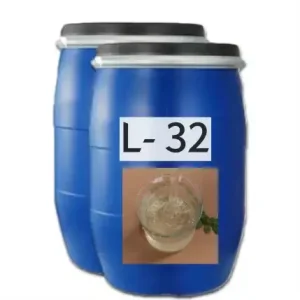
Baby shampoos and facial cleansers require low irritation profiles. By combining Sodium Lauroamphoacetate (L-32) or Cocamidopropyl Betaine (CAB-35) with mild amino acid-based anionic surfactants, formulators can achieve rich foam while protecting the skin's moisture barrier.
Modern household cleaning products prioritize rapid biodegradability and cold-water performance. Zwitterionic surfactants act as co-surfactants in liquid detergents, improving soil removal and emulsifying greases when combined with non-ionic APG systems.
Industrial degreasers and vehicle washes require high chemical stability in both acidic and alkaline environments. Coconut-derived amphoterics provide stable foam blankets that extend contact time on vertical surfaces, enhancing grease breakdown.
Expert technical answers to optimize surfactant selection, performance, and stability.
Coconut-derived zwitterionics are derived from natural fatty acids ($C_{12}$-$C_{18}$ carbon distribution), offering superior renewability and environmental profiles compared to synthetic, petroleum-derived equivalents. From a performance standpoint, the natural distribution of carbon chain lengths yields a denser, more cohesive micellar structure, resulting in creamier, more stable foam profiles.
Anionic surfactants like Sodium Lauryl Sulfate (SLS) form large, aggressive micelles that can penetrate the stratum corneum and denature skin proteins. When a zwitterionic surfactant like Cocamidopropyl Betaine is introduced, it inserts itself into the anionic micelle. This mixed-micelle structure decreases the critical micelle concentration (CMC), reduces the free monomer concentration of the anionic surfactant, and minimizes skin irritation.
Industrial buyers should monitor:
1. Active Matter Content: Typically 30% to 35% for liquid grades, or 90%+ for dry powders.
2. Free Amidoamine (DMAPA): Must be kept under 5-10 ppm to prevent skin sensitization.
3. Byproducts: Traces of Monochloroacetic Acid (MCA) should be kept below detection limits.
4. Sodium Chloride Content: Formed during quaternization. Standard grades contain 4.5% - 6% NaCl, which helps adjust the formulation's viscosity.
Yes, their zwitterionic character enables outstanding compatibility with cationic polymers (e.g., Polyquaternium-7, Polyquaternium-10, Guar Hydroxypropyltrimonium Chloride). Unlike anionic surfactants, which can form insoluble precipitates with cationic conditioning agents, zwitterionics help keep these materials stable in solution, enabling uniform deposition onto hair and skin.
Partner with Suzhou Yuantairun Chemical for custom formulation support, reliable bulk logistics, and consistent batch purity.
Inquire Technical Samples & QuotesExplore additional high-performance thickeners, mild anionic surfactants, and cosmetic emulsifiers.