Premium chemical ingredients and nonionic organic surfactants tailored for cosmetic formulation, industrial solutions, and home care innovations.
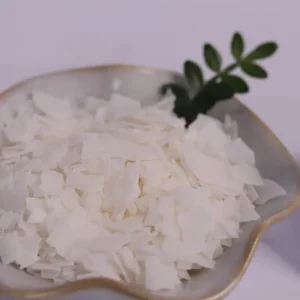
The global daily chemical industry is undergoing an unprecedented structural transition. Consumer demands, environmental regulations (such as the EU Green Deal and local bans on ethylene oxide derivatives), and corporate sustainability initiatives are driving the replacement of traditional petrochemical surfactants with bio-based alternatives. Among these innovations, Coconut Oil Based Glucosides (primarily Alkyl Polyglucosides or APGs) have emerged as the absolute gold standard for mild, highly effective, and sustainable formulations.
As a leading supplier and exporter, Suzhou Yuantairun Chemical Co., Ltd. integrates advanced plant lipid technology with starch-derived sugars to deliver clean-label ingredients. These nonionic, eco-friendly surfactants meet the rigorous criteria of modern clean beauty formulations, baby care products, and industrial clean-in-place (CIP) operations.

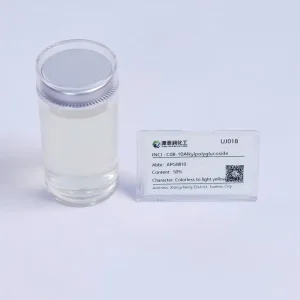
Technical profiling of Alkyl Polyglucosides (APGs), detailing chemistry, structure, and functional benefits.
Formed by reacting fatty alcohols (C8-C16 derived from natural coconut oil) with glucose (from corn starch) under acidic catalysis. This process yields zero hazardous residues and utilizes 100% renewable feedstocks.
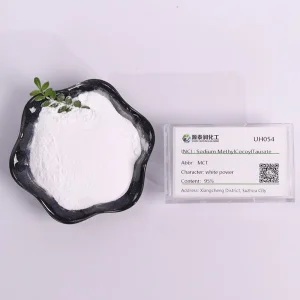
Alkyl Polyglucosides possess a unique micellar structure that does not strip skin lipids. When formulated alongside anionic surfactants like Sodium Methyl Cocoyl Taurate, they reduce irritation indexes significantly.
APGs exhibit rapid aerobic and anaerobic biodegradability, breaking down into water and CO2. They are exempt from chemical hazard warnings, making them perfect for Eco-label certifications.
| Surfactant Classification | Common CAS Number | Alkyl Chain Length | Primary Industrial Properties | Key Applications |
|---|---|---|---|---|
| Caprylyl/Capryl Glucoside (APG 0810) | 68515-73-1 | C8 - C10 | Excellent solubility, hydrotropic effect, high foam booster | Home care, glass cleaners, agricultural adjuvants, solubilizer |
| Coco-Glucoside (APG 0816) | 141464-42-8 | C8 - C16 | Superior foam stability, gentle cleansing, skin soothing | Baby body washes, natural shampoos, face washes |
| Lauryl Glucoside (APG 1214) | 110615-47-9 | C12 - C14 | Excellent thickening synergist, mild detergent, high viscosity | Body washes, liquid hand soaps, dishwashing detergents |
Navigating compliance, supply security, and regulatory audits in international procurement.
Our raw materials comply fully with EU REACH, US EPA Safer Choice criteria, and China's IECIC inventory regulations. This eliminates supply chain roadblocks for global exporters.
B2B procurement agents require verifiable traces of sustainability. Our coconut oil derivatives offer options for RSPO Mass Balance certifications and ECOCERT compliance.
Dual-source strategies demand reliable partners. Suzhou Yuantairun's storage buffers provide physical hedge benefits against global logistics disruptions and shipping bottlenecks.
We provide chemical parameters customized for specific regional climates and water hardness levels, ensuring performance consistency in all export markets.

Our manufacturing facilities operate under Factory 4.0 standards, integrating continuous automated alkylation synthesis, smart DCS loops, and computerized mass spectrometers. This guarantees batch-to-batch consistency and minimizes the presence of secondary reaction impurities like free fatty alcohols or residual glucose.
Practical application scenarios utilizing coconut oil-derived surfactants in high-performance formulas.
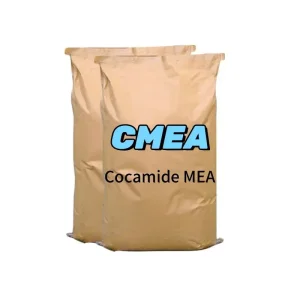
Developed using SLES and AOS as a robust surfactant base, combined with thickeners like CMEA to optimize formula viscosity. APG0810 provides strong synergistic wetting properties, lifting soil quickly in cold-water washes.
Combines Sodium Cocoyl Glutamate and Sodium Lauroyl Sarcosinate for ultra-gentle cleansing suitable for sensitive skin. Natural glucoside surfactants help build fine, creamy foam while preserving the skin's moisture barrier.
Combines LAS and EGDS with highly alkaline-resistant Caprylyl/Capryl Glucoside (APG0810). The surfactant structure remains stable in high-pH conditions, breaking down industrial oils and particulate residues effectively.
Utilizes Cetrimonium Chloride (cationic surfactant 1631 70) to impart anti-static characteristics and rich softness. APG co-surfactants stabilize the emulsion, preventing separation during storage.
Uses CAB-35 (Cocamidopropyl Betaine) and APG1214 (Lauryl Glucoside) for a sulfate-free profile. Builds rich, stable foam while avoiding dryness, making it ideal for baby care and sensitive scalps.
Your reliable one-stop B2B supplier for chemical raw materials and custom OEM/ODM solutions.
From raw chemical material supply to complex surfactant blends, we cover your complete production footprint.
Equipped with modern analytical tools, we offer OEM/ODM formulations customized to match regional market trends.
Advanced synthesis loops and high-efficiency operations keep prices competitive without compromising quality.
Integrated supply chain networks guarantee that materials arrive on schedule, reducing warehouse overhead costs.
Our custom formulation solutions help brands address regional preferences:
Answers to technical and logistics questions commonly asked by procurement directors.
Follow our latest research, chemical developments, and company milestones.
Learn how our high-purity Sodium Cocoyl Isethionate (SCI85) creates rich, gentle foam for clean beauty bars and moisturizing face washes.
Explore formulations using Sodium Cocoyl Alaninate to provide mild cleansing even in the presence of natural scalp sebum.
Technical insights into this low-viscosity cosmetic ester, ideal for dispersing pigments and building lightweight makeup removers.
Request free chemical samples, TDS/MSDS documents, or factory pricing sheets from our export sales division.
Contact Our Chemical ExpertsHigh-purity thickeners, conditioning agents, and eco-friendly primary surfactants.