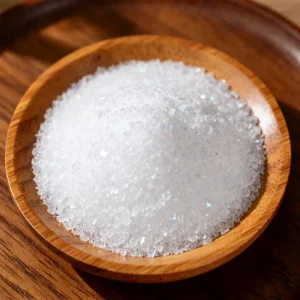
Select specialized clean-beauty raw materials designed to establish synergy with Disodium Cocoyl Glutamate for stable, highly efficient, and mild personal care formulations.
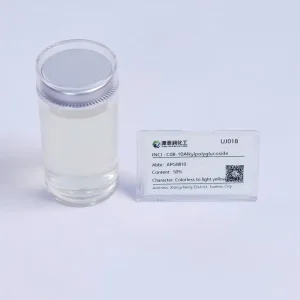
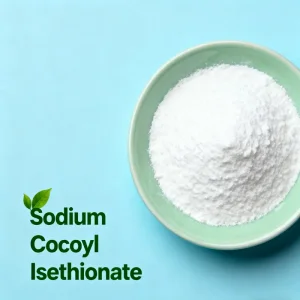
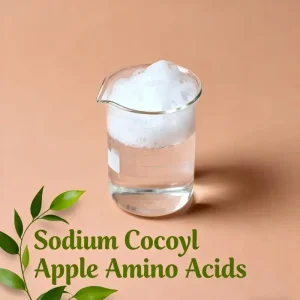
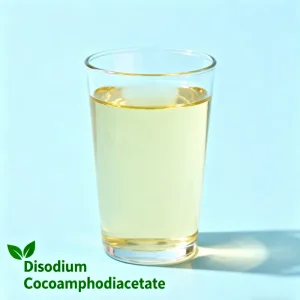
Disodium Cocoyl Glutamate (Liquid 25%) represents a pinnacle innovation in sustainable personal care chemistry. Derived from natural resources—specifically L-glutamic acid (an amino acid) and coconut oil fatty acids—this mild anionic surfactant is highly valued for its superior dermatological compatibility and environmental safety. It acts as an exceptionally gentle foaming agent, clearing impurities without stripping natural skin barrier lipids.
The molecular composition of Disodium Cocoyl Glutamate, characterized by CAS number 68187-30-4, makes it uniquely different from traditional ethoxylated surfactants or sulfates like Sodium Laureth Sulfate (SLES). The glutamate polar head provides a large, highly hydrated molecular group. When mixed with water, it exhibits a higher Critical Micelle Concentration (CMC) than sulfates. Consequently, it minimizes monomer penetration through the stratum corneum, preventing the protein denaturation that leads to skin irritation. At a 25% active concentration liquid form, it offers formulators convenient handling, immediate solubility in cold processes, and optimized viscosity adjustment in sulfate-free formulations.
In the current cosmetic market, clean beauty has transitioned from a niche segment to a mainstream global standard. Multinational brands, regional formulators, and private-label contract manufacturers are actively eliminating harsh surfactants and PEG derivatives from their portfolios. Consequently, demand for Disodium Cocoyl Glutamate Liquid has skyrocketed.
Transitioning to amino acid-based formulations can present challenges, particularly in terms of buildable viscosity and foaming volume. Standard formulations relying on salt (NaCl) addition for thickening do not respond similarly to glutamate surfactants. Therefore, macro-industry solutions require holistic thickening strategies, incorporating synergistic co-surfactants and natural thickeners:
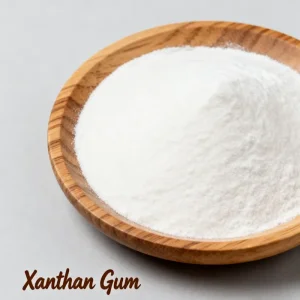
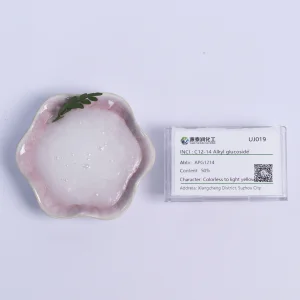
Disodium Cocoyl Glutamate exhibits a synergistic thickening effect when combined with non-ionic surfactants such as Alkyl Polyglycosides (APG 1214) or amphoteric surfactants like Lauramidopropyl Hydroxysultaine. Hydroxysultaines and betaines assist in building micellar networks, facilitating easier viscosity adjustment with natural rheology modifiers like Xanthan Gum or synthetic polymers like PEG-150M.
Disodium Cocoyl Glutamate is naturally alkaline, operating at a pH range of 8.5 to 10.5 in raw liquid form. Formulators must adjust the system to the physiological skin pH (typically 4.5–5.5) using organic acids (such as citric acid or lactic acid) to achieve optimal clarity, stability, and compatibility. At these lower pH levels, Disodium Cocoyl Glutamate may transition into Cocoyl Glutamic Acid, which has lower water solubility. Strategic blending with Disodium Laureth Sulfosuccinate or Sodium Cocoyl Alaninate prevents crystallization and maintains high formulation clarity.
The manufacturing roadmap for amino acid surfactants is moving toward 100% bio-based synthesis and circular economy standards. Historically, fatty acids were sourced exclusively from coconut oil, which carries environmental implications regarding tropical land use. Modern technical routes focus on utilizing alternative local lipids, such as rapeseed or sunflower oil, modified via biotechnology to replicate the performance profile of cocoyl fatty acids.
Looking ahead, biocatalysis via enzymatic synthesis is set to replace conventional chemical condensation. Using lipase enzymes for esterification and amidation pathways drastically lowers reaction temperatures, eliminates waste by-products, and produces higher-purity surfactants. As a result, the next generation of Disodium Cocoyl Glutamate will offer lower trace impurities (such as free monochloroacetic acid or inorganic salts), enhancing skin mildness and product quality.
Currently, the market distribution of amino acid-based daily chemical raw materials is concentrated within East Asia, North America, and Europe. Rapid growth in the Asia-Pacific region is driven by high density daily-chemical manufacturing hubs, advanced biochemical synthesis capabilities, and competitive cost structures. Key export hubs, such as Suzhou, China, leverage integrated logistics, access to premium raw L-glutamic acid, and sophisticated quality control labs to supply global markets.
International chemical logistics require stringent moisture prevention and temperature control. While Disodium Cocoyl Glutamate Liquid 25% is not classified as a hazardous chemical for maritime or air transport, exporters must utilize food-grade IBC totes or high-density polyethylene (HDPE) drums. Sealed packaging prevents contamination, microbial growth, and oxidation, ensuring a shelf life of up to 24 months under standard storage conditions.
Compliance is critical for cosmetic brand supply chains. Suppliers must provide comprehensive testing data, including:
As a leading supplier in the daily chemical raw materials industry, Suzhou Yuantairun Chemical Co., Ltd. is dedicated to delivering high-quality products and comprehensive one-stop services to support our customers in R&D, production, and supply chain optimization.
Our mission is to drive innovation and efficiency in the global daily chemical industry by providing cutting-edge solutions tailored to our clients' needs. We assure you that our products originate from well-managed and sustainable resources, providing premium material quality at moderate prices.

Innovative surfactant and formulation combinations developed to meet global standards for cosmetic stability and skin-cleansing performance.
Application: Personal Care (Facial Cleansers, Mild Body Washes)
Formulation Strategy: Combined with Sodium Lauroyl Sarcosinate and Disodium Cocoyl Glutamate for clean, residue-free skin properties.
Application: Hair Care (Sulfate-Free Shampoos, Baby Care Products)
Formulation Strategy: Leverages Disodium Cocoyl Glutamate and APG0810 to optimize foam quantity while maintaining a clean, sulfate-free claim.
Application: Body Wash & Clean Beauty Shampoos
Formulation Strategy: Formulated alongside Cocamidopropyl Betaine (CAB-35) and Lauryl Glucoside (APG1214) to enhance foam density and structure.
Find answers to formulation, sourcing, and chemical logistics questions regarding Disodium Cocoyl Glutamate 25% Liquid.
We tailor formulation parameters, active concentrations, and packaging to meet your factory's production requirements.
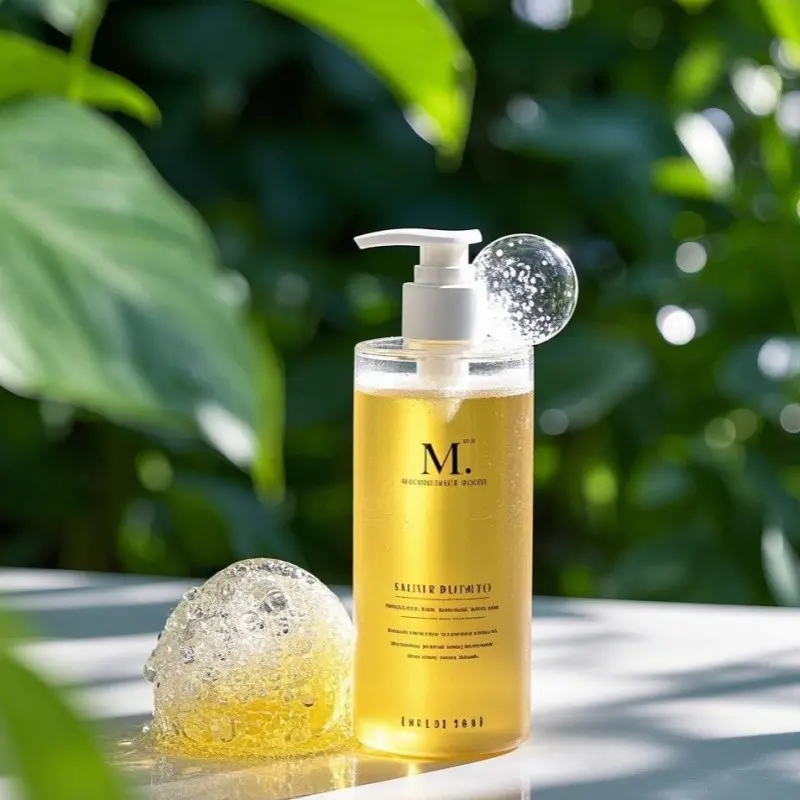
Formulation parameters customized for premium retail, hospitality, and professional salon applications. Available in multiple concentrations.
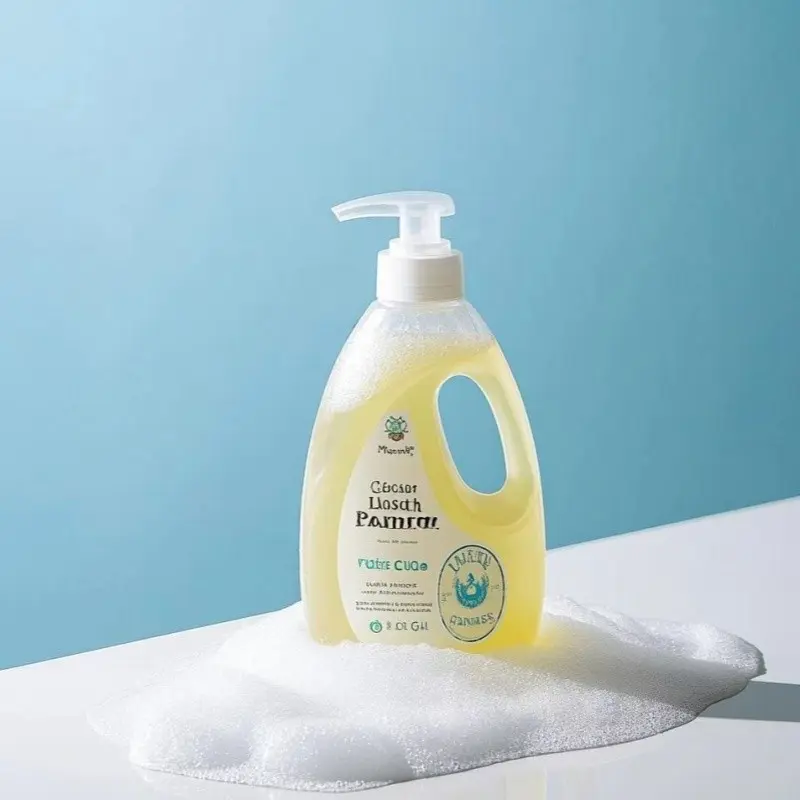
Formulated for biodegradable fabric washes. Optimized for gentle cleansing performance on delicate fibers and baby clothing.
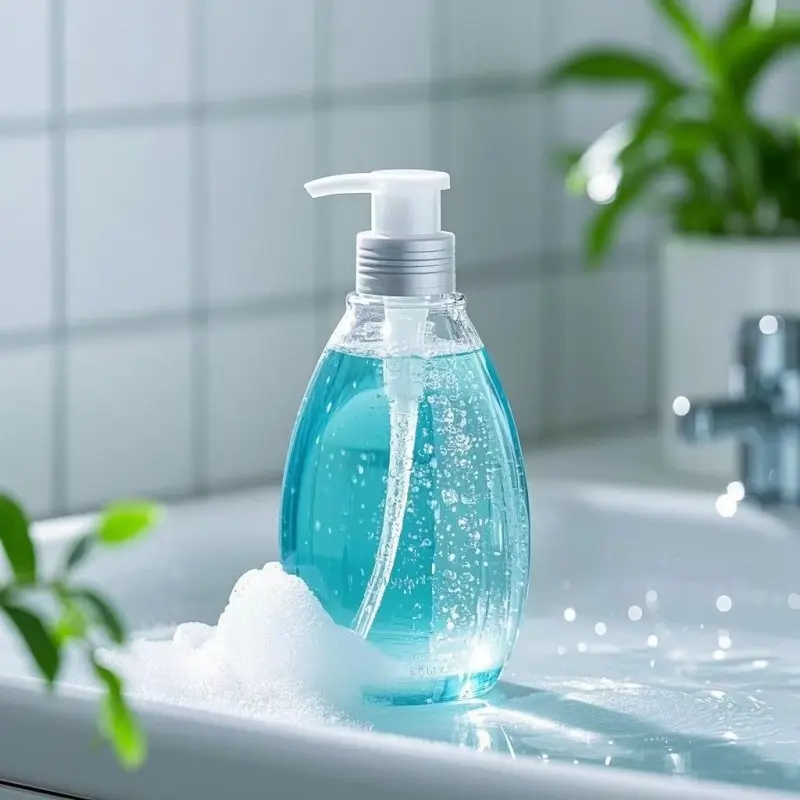
High-foaming, mild hand washes designed for frequent use in commercial, food preparation, and medical facilities.
Read about formulation methods, surfactant synergy, and raw material innovations in the personal care industry.
Discover how Sodium Cocoyl Isethionate 85% powder enhances formula performance, providing a gentle, skin-friendly clean.
An amino acid surfactant featuring excellent foaming and oil tolerance, optimized for oil-control cleansers and shampoos.
Technical insights into selecting synthetic esters to achieve clean skin feel, excellent spreadability, and formulation stability.
Request tech sheets, sample batches, or a custom quotation. Contact Suzhou Yuantairun Chemical Co., Ltd. for pricing and specification sheets.
Send Inquiry NowExplore functional raw materials, thickeners, film-formers, and mild preservatives to complete your product development cycle.