High-purity raw materials sourced and designed to meet the clean-beauty and performance needs of global cosmetics manufacturers.
In modern dermocosmetic formulation, the selection of surfactants represents the baseline for clean product design. Disodium Lauryl Sulfosuccinate (DLSS) Powder 95% (CAS Number: 13192-12-6) is a high-performance anionic surfactant derived from succinic acid monoesterification. Unlike traditional harsh alkyl sulfates (e.g., Sodium Lauryl Sulfate), the chemical structure of DLSS features a larger, more complex molecular head containing dual carboxylate/sulfonate groups attached to a stable succinic core. This configuration plays a critical role in mitigating the denaturation of skin surface proteins.
Standard alkyl sulfates possess a concentrated charge density that penetrates the lipid matrix of the stratum corneum, inducing barrier disruption and subsequent erythema. Conversely, Disodium Lauryl Sulfosuccinate's chemical architecture balances its charge distribution across a wider spatial area. Its Critical Micelle Concentration (CMC) is optimized to generate rapid micellization without excessive monomer penetration. This makes DLSS highly effective at solubilizing sebum and atmospheric pollutants while protecting the lipid bilayer.
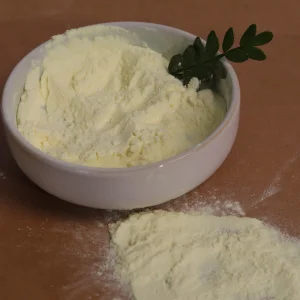
A purity level of 95% in powder format is highly beneficial for formulation design. Modern anhydrous cosmetic products, including powder cleansers, syndet bars, and travel-oriented solids, require dry surfactant bases. They must dissolve rapidly in water without altering the formulation's physical stability. Suzhou Yuantairun Chemical Co., Ltd.'s 95% active material delivers these properties: a low moisture profile, precise particle sizing, and superior thermal tolerance.
The global demand for mild surfactants has grown due to rising clean-beauty standards and strict chemical regulations. Globally, Disodium Lauryl Sulfosuccinate has transitioned from a specialty additive to a primary surfactant system in baby care products, premium sensitive skin lines, and professional salon formulations.
The Asia-Pacific region, led by chemical manufacturing clusters in China, remains the primary global exporter of DLSS 95% powder. Companies like Suzhou Yuantairun Chemical Co., Ltd. (founded in 2010 with over 7,000 global partners) lead this supply chain. They align advanced chemical synthesis with global regulatory expectations, such as Europe's REACH, the US FDA VCRP, and Chinese cosmetics ingredient guidelines.
Industrial logistics for surfactant powders require dry-chain integrity. Hygroscopic powders can cake or clumping when exposed to humidity, which can affect production workflows. High-grade packaging and specialized storage processes ensure the powder remains free-flowing from manufacture to delivery.
Streamlined logistics and customized warehousing ensure prompt delivery across North America, Europe, and Southeast Asia, maintaining active ingredient integrity.
Engineered to prevent protein denaturing. Tested extensively via Zein and HET-CAM assays to confirm its mild, non-irritating behavior on sensitive skin tissue.
Backed by chemical expertise, ISO-certified facilities, and transparent tracking to meet strict global safety and regulatory requirements.
The consumer shift toward sulfate-free formulations is driving change in the personal care industry. Traditional surfactants like Sodium Laureth Sulfate (SLES) have fallen out of favor due to trace 1,4-dioxane contamination risks and skin dryness concerns. Regulatory updates from the European Chemicals Agency (ECHA) and the US EPA have accelerated this transition.
Disodium Lauryl Sulfosuccinate meets these clean beauty standards. Formulators use it to create claims such as "Sulfate-Free," "1,4-Dioxane-Free," "PEG-Free," and "Biodegradable." In addition, the shift toward solid waterless cosmetics has created a strong demand for high-active powder surfactants. Because DLSS is supplied as a 95% active dry powder, it allows brands to eliminate plastic packaging and reduce transportation weight, lowering their overall carbon footprint.
Green chemistry principles are also driving the sourcing of raw materials for DLSS. Using bio-based succinic acid and fatty alcohols derived from sustainable palm or coconut oil helps lower carbon emissions throughout the product lifecycle. Manufacturers are choosing DLSS to meet consumer demand for sustainable, high-performance skincare.
Developing a mild facial cleanser requires careful optimization of the surfactant blend. While DLSS is highly mild, using it as the sole surfactant may not achieve the desired foam structure or skin feel. An optimal formulation strategy combines anionic, amphoteric, and non-ionic surfactants to build a stable micellar network.
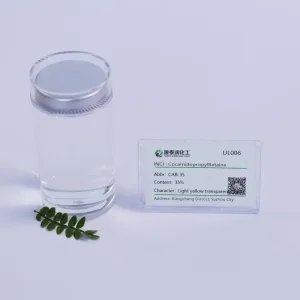
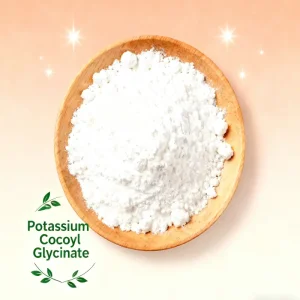
Combining Disodium Lauryl Sulfosuccinate with CAB-35 (Cocamidopropyl Betaine) or Potassium Cocoyl Glycinate 95% Powder improves flash foam volume and bubble density. The betaine system associates with the DLSS micelles, reducing electrostatic repulsion and stabilizing the foam structure.
Result: A dense, creamy lather that rinses cleanly without leaving a heavy residue.
DLSS formulations can sometimes show viscosity drops at lower temperatures. This can be resolved by adding non-ionic thickeners such as PEG-150M or Cocamide DEA (CDEA 6501). These additives build an entangled micellar network, keeping the product stable across different temperatures.
Result: Smooth flow behavior and long-term emulsion stability under thermal stress.
During the formulation process, it is important to add DLSS powder at temperatures between 50°C and 60°C. This ensures complete solubilization without hydrolyzing the ester linkage. Maintaining a formulation pH range of 5.5 to 7.0 keeps the succinic monoester stable, preventing hydrolytic breakdown into lauryl alcohol and sulfosuccinic acid over time.
Consumer preferences and regulatory environments vary across different regions. For example:
Suzhou Yuantairun Chemical Co., Ltd. provides customized support to help formulations align with these regional standards, ensuring smooth product approvals and launches.
As a global chemical partner, Suzhou Yuantairun Chemical Co., Ltd. offers solutions that extend beyond raw material supply:
Our dedicated application laboratories assist clients with formulation design, viscosity adjustment, and compatibility testing for mild cleansing systems.
We optimize shipping and inventory levels to prevent supply chain disruptions, delivering materials exactly when they are needed for production.
Every batch of DLSS 95% powder undergoes strict testing for active content, moisture, pH, and trace impurities, ensuring consistent quality.
Common questions regarding the chemistry, formulation, and handling of Disodium Lauryl Sulfosuccinate Powder 95%.
Looking to improve your formulations or secure a reliable supply of mild surfactants? Contact our chemical engineering team today.
Submit InquiryA comprehensive selection of high-performance daily chemical ingredients designed for global personal care and industrial applications.