Explore our industrial-grade surfactants, thickeners, and functional compounds manufactured under ISO-compliant conditions for optimal stability and efficacy.

A comprehensive analysis of consumer behavior shifts, global supply chains, and green chemistry transition metrics.
The global scalp care market has experienced an unprecedented paradigm shift, pivoting away from basic cleansing toward active therapeutic interventions. The "skinification of hair" trend has placed oil control at the center of personal care formulations. High sebum production, exacerbated by environmental stressors, high humidity climates, and urban pollution, has increased global consumer demand for shampoos that balance deep cleansing with follicular integrity.
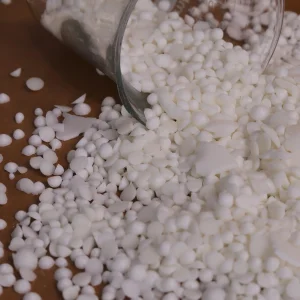
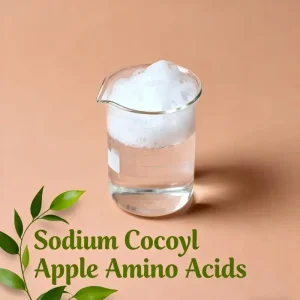
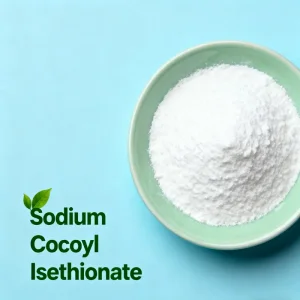
For B2B formulators, this translates to sourcing raw materials that deliver immediate tactile feedback without compromising long-term scalp health. Sulfated surfactants are increasingly replaced by premium alternatives such as Sodium Cocoyl Isethionate (SCI 85%) and Sodium Cocoyl Apple Amino Acids, which maintain clean, non-stripping sebum balances.
Different regions present unique formulation requirements based on skin biology and local environments. In the Asia-Pacific region, characterized by high relative humidity, consumer surveys consistently highlight greasy hair and flat scalps as primary concerns. Formulators in these regions prioritize high-efficacy sebum-absorbing agents and light, non-occlusive emollients such as Butylene Glycol Dicaprylate (BGCC).
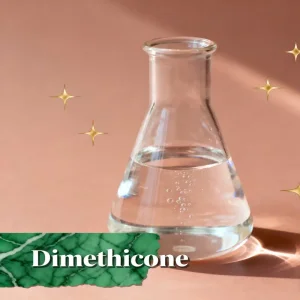
Conversely, North American and European markets display strong alignment with "clean beauty" mandates, requiring manufacturers to source eco-certified raw materials like Alkyl Polyglucosides (APGs) and biodegradable conditioning esters to replace traditional silicones like Dimethicone while maintaining a clean hair feel.
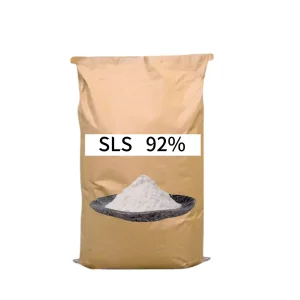
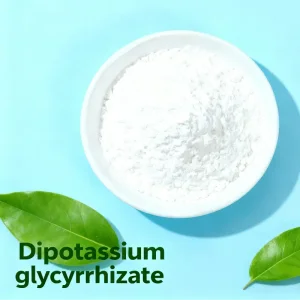
The regulatory clampdown on ethoxylated surfactants (like SLES) due to traces of 1,4-dioxane has accelerated the adoption of natural surfactants. Global chemical manufacturers are shifting production lines to handle mild, amino-acid based raw materials. These materials, derived from fatty acids and simple amino acids (like glutamic acid, alanine, and sarcosine), exhibit high compatibility with the scalp's sebum barrier while being fully biodegradable. The integration of specialty anti-inflammatory actives like Dipotassium Glycyrrhizinate helps mitigate irritation caused by micro-organisms thriving in sebum-rich scalp environments.
How Suzhou Yuantairun Chemical engineered raw materials coordinate in synergistic systems for optimal sebum regulation and lather performance.
Active sebum is composed of triglycerides, wax esters, squalene, and free fatty acids. Efficient removal requires a calculated Hydrophilic-Lipophilic Balance (HLB). The combination of APG0810 (Caprylyl/Capryl Glucoside) and Cocamidopropyl Betaine (CAB-35) provides excellent interfacial tension reduction. This allows lipids to be emulsified and rinsed away without penetrating the lipid bilayers of the stratum corneum.
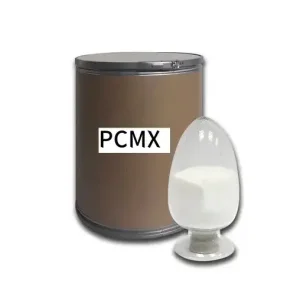
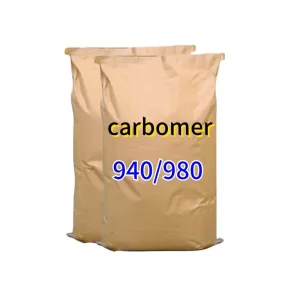
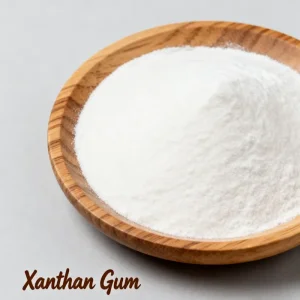
Oil-control shampoos frequently carry active mineral powders, botanical extracts, or anti-dandruff agents (such as PCMX). Standard thickeners fail under high surfactant loads. Formulators use Carbopol 940 and high-purity Xanthan Gum as suspending agents, creating a yield value that prevents sediment precipitation while providing a smooth pouring texture.
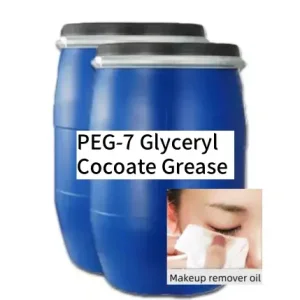
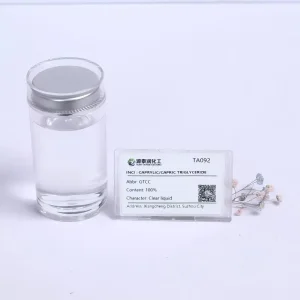
Traditional cationic conditioning polymers (like polyquats) can deposit on the hair shaft and scalp, building up over time and worsening greasy hair issues. By transitioning to lightweight emollients such as Caprylic/Capric Triglyceride or PEG-7 Glyceryl Cocoate, hair remains manageable and soft without leaving heavy residue on the scalp.
As a leading supplier in the daily chemical raw materials industry, Suzhou Yuantairun Chemical Co., Ltd. is dedicated to delivering high-quality products and comprehensive one-stop services to support our customers in R&D, production, and supply chain optimization.
Our mission is to drive innovation and efficiency in the global daily chemical industry by providing cutting-edge solutions tailored to our clients' needs. Through our modern testing laboratories and custom synthesis plants, we deliver consistent raw chemical performance for hair, personal, and home care formulations.


Leveraging reliable resources, technical expertise, and an optimized supply chain to support your product's speed-to-market.

Provide rich products ranging from raw surfactants to custom active blends, simplifying procurement logistics.

Equipped for custom formulation development, supporting OEM/ODM services tailored to specific brand guidelines.

High quality raw materials sourced through lean operations, providing favorable manufacturing margins.

Materials are delivered exactly when needed in the production process, minimizing warehousing overheads.
Ready-to-use chemical architectures developed to solve formulation issues across personal, household, and industrial applications.

Core Surfactants: Uses SLES and AOS as active bases for robust stain emulsification.
Rheology Management: Coupled with Cocamide MEA to build viscosity and structural stability.
Advantage: Exceptional bio-degradability under cold washing environments.

Mild Actives: Formulated with Sodium Cocoyl Glutamate and Sodium Lauroyl Sarcosinate.
Skin Feel: Maintains moisture levels while removing oxidized surface sebum.
Certification: Compliant with natural cosmetics standards for clean beauty lines.

Conditioning Base: Features cationic Cetrimonium Chloride (1631 70) for fabric softness.
Performance: Reduces static charges on synthetic fabrics during heat cycles.
Sustainability: High concentration formula reduces transport and packaging costs.

Foam Builders: Synergistic system blending CAB-35 and Lauryl Glucoside (APG1214).
Structure: Xanthan Gum provides a rich, elegant product flow.
Mildness: Sulfate-free profile minimizes dryness, suitable for sensitive skin.

Degreasing power: Formulated using LAS paired with Glycol Distearate (EGDS) solvents.
Activity: Breaks down heavy grease and polymerized industrial oils on contact.
Application: Suitable for machine maintenance, workshop floors, and vehicle washing.
Expert insights addressing key concerns of personal care formulation chemists and sourcing managers.
For sulfate-free formulations targeting sebum control, we recommend a combination of Sodium Cocoyl Isethionate (SCI 85% Powder) and Sodium Lauroyl Sarcosinate. SCI provides a dense, creamy lather and gentle cleansing, while sarcosinates offer excellent oil emulsification properties without striping the hair's natural moisture barrier, helping to prevent compensatory sebum rebound.
Dipotassium Glycyrrhizinate is a salt derived from licorice root. In oil-control shampoos, it serves two main purposes: it helps regulate sebum production, and it calms the scalp. Excess sebum often leads to micro-inflammation and dandruff due to Malassezia proliferation; this active agent helps soothe redness, itchiness, and irritation to support scalp health.
Traditional sodium chloride thickening does not work well with amino-acid or non-ionic surfactants. Formulators should use polymeric thickeners like Carbopol 940 (Carbomer) or natural gums like high-transparency Xanthan Gum. Additionally, adding co-surfactant thickeners like Cocamide DEA or Cocamide MEA helps build viscosity and stabilizes the foam structure.
All batches undergo strict quality control testing in our R&D and analytical testing labs. We verify raw material specifications using high-performance liquid chromatography (HPLC), wet chemical analysis, and viscosity tests. Each export shipment is accompanied by a Certificate of Analysis (COA) matching our reference samples, ensuring consistent performance for your production line.
Keep up with developments in green surfactant chemistry and sebum regulation technology from the Suzhou Yuantairun R&D lab.
An in-depth look at how Runtec® SCI85 formulation techniques can help you develop solid shampoo bars and mild liquid shampoos with rich, stable foam.
Exploring the oil-resistant lather properties of alanine-based surfactants. Ideal for deep cleansing oily scalps without causing dynamic lipid rebound.
Analyzing the spreading coefficient and low viscosity performance of synthetic esters as clean, non-greasy alternatives to silicones in light scalp conditioners.
Complete your formulations with our conditioning agents, mild surfactants, skin-repairing actives, and specialty ingredients.