Maximize formulation performance with our curated selections of bio-based active raw materials and gentle foaming agents.
Exploring the molecular kinetics, ecological footprint, and formulation benefits of Potassium Glutamate in contemporary surfactant architectures.
Potassium Glutamate (commonly derived via the condensation of coconut acid chloride and glutamic acid) represents the pinnacle of mild anionic surfactants. Structurally carrying a potassium counter-ion and a dicarboxylic acid derivative backbone, it offers unmatched compatibility with skin keratin while maintaining rapid biodegradability. Unlike traditional sulfates, it doesn't denature skin proteins, rendering it the standard for ECOCERT-compliant formulations.
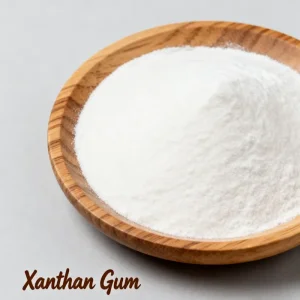
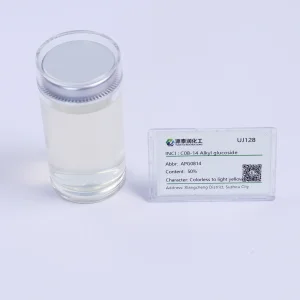
The primary engineering hurdle of amino acid surfactants has historically been foam volume and viscosity control. Potassium Glutamate, when combined synergistically with secondary agents like Cocamidopropyl Betaine (CAB-35) or non-ionic APG0810, creates a dense, creamy micro-foam. By incorporating natural rheology modifiers such as Xanthan Gum, formulators can easily construct crystal-clear, high-viscosity facial washes and shampoos without salt-induced thickening.
Clinical skin irritation testing (such as Zein value tests and RBC hemolysis assays) indicates that Potassium Glutamate falls into the 'extremely mild' category. The dicarboxylic structure forms a protective hydrated layer on the stratum corneum, preventing lipid dissolution. This makes it highly sought after in pediatric personal care products, sensitive facial cleansers, and ophthalmic formulations.
Potassium Glutamate shows its optimal foaming capability and mildness profile within a pH range of 5.5 to 6.5. Adjusting the pH to this skin-friendly range using citric acid or lactic acid prompts the dicarboxylic structure to form a stable lamellar liquid crystal network, which dramatically enhances formulation viscosity and stabilizes active botanicals.
How global manufacturers leverage Potassium Glutamate to meet strict carbon footprints and green labeling mandates.
In response to international consumer pressure and carbon taxation schemes, global FMCG companies are shifting away from petroleum-derived linear alkylbenzene sulfonate (LAS) and ethylene oxide-derived sodium laureth sulfate (SLES). Our Potassium Glutamate series, produced using advanced green synthesis, offers a sustainable substitute.
Through partnerships with chemical researchers, we provide customized surfactant systems that lower the critical micelle concentration (CMC) of cleansing systems. This leads to reduced raw material consumption, lower transportation costs, and a drop in overall carbon output.
Whether formulating a premium facial cleanser or a highly concentrated fabric softener, we provide technical roadmaps to integrate green ingredients without sacrificing cost efficiency or shelf stability.

An analysis of supply chains, regulatory trends, and trade flow patterns for 2026-2030.
By sourcing natural coconut fatty acids directly from sustainable tropical plantations (RSPO-certified options), we ensure raw material pricing stability. The synthesis is conducted in our modern reactor complexes in Suzhou, optimizing the chemical supply chain from starting monomers to final purified powder or liquid.
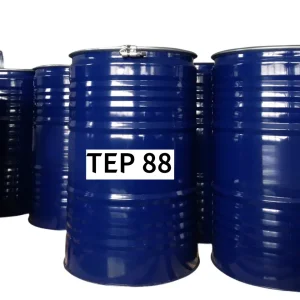
As a premier global exporter, Suzhou Yuantairun Chemical Co., Ltd. coordinates shipments to major personal care hubs across North America, Western Europe, and APAC. We offer customized packaging ranging from 25kg fiber drums for trial phases to 1000kg IBC totes for large-scale contract manufacturing.
Our Potassium Glutamate products are manufactured under rigorous ISO 9001:2015 and ISO 14001:2015 standards. Analytical testing methods—including HPLC for active substance verification and ICP-MS for heavy metal monitoring—guarantee that each production batch matches specifications for the premium cosmetic market.
Meeting the strict demands of regulatory bodies worldwide for cosmetics, detergents, and industrial chemicals.
We provide full EU REACH registration documents and US TSCA compliance statements, supporting hassle-free clearance through European and American customs. Every shipment contains standard SDS documents in local languages.
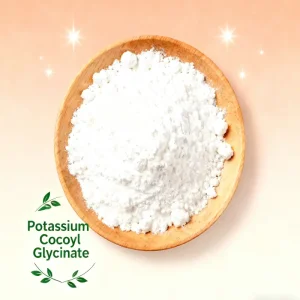
Our amino acid surfactants (including Sodium Cocoyl Glutamate and Potassium Cocoyl Glycinate) meet ECOCERT and COSMOS standards. They are free from ethylene oxide, 1,4-dioxane, nitrosamines, and formaldehyde donors.
We ensure that our plant-based raw materials are Halal and Kosher certified, helping our brand partners target global consumer markets with inclusive product lines.
Demonstrated success stories of our surfactants in home care, personal care, and heavy industry.
Challenge: Developing high-performance detergents without using phosphates or ethoxylated surfactants.
Solution: Formulating with SLES, AOS, and Potassium Glutamate, balanced with CMEA for viscosity control. This lowers skin irritation while maintaining robust grease removal.
Challenge: Formulating non-drying, high-foaming cleansers for sensitive skin types.
Solution: Blending Sodium Cocoyl Glutamate and Sodium Lauroyl Sarcosinate for a mild surfactant base that respects the natural skin barrier.
Challenge: Maintaining emulsion stability in high-concentration fabric softeners.
Solution: Incorporating ester-based quaternary ammonium salts (CAS 91995-81-2) with non-ionic alkyl glucosides to ensure static control and excellent dispersing performance.
Challenge: Formulating rapid-acting degreasers under strict environmental runoff rules.
Solution: Combining linear alkylbenzene sulfonate (LAS) and bio-surfactants to accelerate hydrocarbon biodegradation in industrial waste systems.
Advancing surfactant chemistry through enzymatic synthesis, carbon-negative processes, and smart formulation design.
We are scaling up biotechnology pipelines that utilize enzyme-catalyzed synthesis instead of high-temperature chemical condensation. This lowers energy usage, prevents chemical side-reactions, and yields a higher purity product with lower inorganic salt content.
Our production facilities are moving toward closed-loop water systems and clean thermal energy. By recycling byproduct salts into other industrial streams, we aim to decrease our environmental footprint per metric ton of surfactant produced.
Developing pre-blended surfactant bases (e.g., combining Potassium Glutamate with APG and Betaines in optimized ratios) allows our clients to simply dilute and add active ingredients. This cuts production times and lowers formulating mistakes.
Expert answers regarding processing, compatibility, regulatory compliance, and purchasing for Potassium Glutamate.
Suzhou Yuantairun Chemical Co., Ltd. provides high-purity chemical specialties, custom formulation support, and reliable global shipping. Get in touch with our team today for samples, pricing, and regulatory documents.
Explore Product CatalogBroaden your formulation capabilities with our range of mild ingredients, functional solvents, and rheology control agents.