Explore our highly curated selection of daily chemical raw materials and industrial surfactants, engineered to global compliance specifications.
Authoritative technical assessment of eco-friendly, mild surfactant networks for the high-end personal care, dermatology, and home care sectors.
“The global surfactant marketplace is undergoing an irreversible structural transition. Formulators are shifting rapidly from petroleum-based ethoxylated anionic surfactants (like SLES and SLS) toward bio-based, dermatologically benign, and eco-certified alternatives. Underpinning this revolution is Sodium Cocoyl Glutamate (SCG), a natural amino-acid based surfactant.”
Sodium Cocoyl Glutamate (CAS NO.: 68187-32-6 / 75780-87-7) is constructed through the condensation of natural coconut oil fatty acid chloride and glutamic acid (sourced via plant starch fermentation). As a mono-sodium salt, its chemical architecture comprises a hydrophilic dicarboxylic head group derived from L-glutamic acid, coupled with a hydrophobic aliphatic carbon chain originating from coconut oil. This specific conformation yields a bulky, polar head structure that offers major formulation and biological advantages:
| Parameters | Specifications (Powder/Granular) | Specifications (Liquid 30% Solution) | Methodologies / Remarks |
|---|---|---|---|
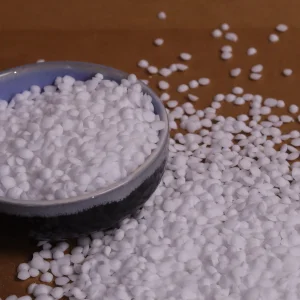
| Appearance | White to Off-White Powder / Granules | Colorless to Pale Yellow Clear Liquid | Visual Assessment |
| Active Substance Content (%) | ≥ 95.0% | 28.0% - 32.0% | Analytical Gravimetry |
| pH Value (25°C) | 5.5 - 6.5 (in 10% solution) | 7.0 - 8.5 (direct measure) | pH Potentiometer |
| Dry Weight Loss (%) | ≤ 5.0% | - | Oven Method (105°C, 2h) |
| Sodium Chloride Content (%) | ≤ 3.0% | ≤ 2.5% | AgNO3 Titrimetric Analysis |
| Free Fatty Acid (%) | ≤ 4.0% | ≤ 2.0% | Acid Value Calculation |
The worldwide industrial scale of Sodium Cocoyl Glutamate is projected to register a CAGR of approximately 7.2% through 2032. This rapid scaling is driven directly by clean beauty demands, regulatory adjustments (such as the restriction of 1,4-dioxane impurities in Europe and specific US states), and intense growth in the baby hygiene and dermatological skincare categories. Multi-national contract manufacturers are moving swiftly to "sulfate-free" and "PEG-free" formulation protocols, elevating amino acid surfactants to a core role.
Historically, manufacturing costs restricted SCG usage to premium skincare lines. However, through recent optimization of industrial-scale biosynthesis pathways and economies of scale, suppliers like Suzhou Yuantairun Chemical Co., Ltd. have normalized production costs. This has made SCG viable for mass-market applications like volume-scale personal care products, eco-cleaners, and natural pet care shampoos.
While SCG is highly valued for mildness, formulating with it requires a deep understanding of its rheological and thermodynamic traits. It behaves differently than conventional ether sulfates. Our R&D trials show several key formulation guidelines:
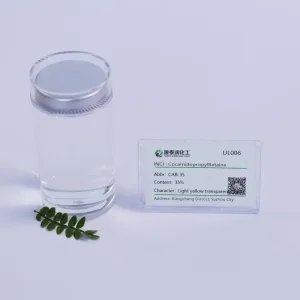
Combining SCG with amphoteric co-surfactants like Cocamidopropyl Betaine (CAB-35) or non-ionic Alkyl Polyglucosides (APG0810) creates a dense, luxurious, and stable micro-foam structure.
Amino acid surfactants are resistant to conventional inorganic salt thickening. Formulators should use natural polymeric thickeners like Xanthan Gum, Methyl Glucose Dioleate, or PEG-120 Methyl Glucose Trioleate.
SCG functions exceptionally well in the mild skin-acidic pH range of 5.0 to 6.5. This makes it ideal for skin barrier repair and microbiome protection formulas.
Unlike traditional soaps, SCG maintains good lathering and detergency profiles even in high calcium and magnesium water systems, preventing mineral buildup on hair and skin.
Global chemical regulations vary, and we tailor our SCG supply chains to match regional compliance frameworks:
Historically, amino acid surfactants relied on Schotten-Baumann reactions using fatty acid chlorides and amino acids under alkaline conditions, which generated high salt byproducts. Looking forward, our green chemistry roadmap focuses on enzymatic synthesis processes that reduce inorganic salt content and waste output. These developments aim to produce near-zero waste while preserving the high active ingredient concentration of our raw materials.
Your Strategic Manufacturing and Supply Partner for Specialty Raw Materials
As a dedicated supplier in the daily chemical raw materials industry, Suzhou Yuantairun Chemical Co., Ltd. provides high-purity products and comprehensive one-stop services. We support customers across R&D, pilot formulation testing, and supply chain optimization. Our goal is to drive innovation and efficiency in the global chemical sector with reliable, high-performance solutions.

How our surfactants perform in diverse product environments, from gentle skincare to heavy-duty cleaners.
Customized chemical and packaging systems designed to fit your target market.
Tailored formulations and scent options designed for hotel, salon, or mass retail channels. Available in multiple packaging formats and price brackets.
Custom packaging, custom fragrances, and concentrated options optimized for consumer and industrial washing systems.
Formulated for high-traffic environments, retail markets, and food service venues. Gentle on skin for frequent everyday use.
Connect with our engineering and sales teams to request technical documentation, MSDS, COA, or volume samples.
Submit Inquiry NowStay updated on the latest surfactant innovations, regulations, and raw material trends.
Answers to common questions about formulating with and sourcing Sodium Cocoyl Glutamate.
A: Although both are amino acid surfactants, they perform differently based on pH. Sodium Cocoyl Glycinate provides its best foaming and detergency profiles at neutral to slightly alkaline pH values, leaving a "squeaky clean" skin feel. Sodium Cocoyl Glutamate performs optimally in the acidic pH range (5.0–6.0), aligning with the skin's natural pH and offering a milder, more moisturizing sensory profile.
A: The raw material originates from 100% renewable plant resources—fermented glutamic acid and coconut-derived fatty acids. It is fully biodegradable under OECD 301B standards, does not contain ethoxylated groups (avoiding 1,4-dioxane impurities), and is free from palm oil derivatives when requested.
A: Amino acid surfactants do not respond well to inorganic salts like Sodium Chloride for viscosity building. We recommend using organic polymers and natural gums, such as PEG-120 Methyl Glucose Dioleate, Xanthan Gum, Guar Gum, or Acrylates copolymer systems.
A: In its original sealed packaging, Sodium Cocoyl Glutamate powder stays stable for 24 months. Store it in a cool, dry place away from direct sunlight and humidity to prevent clumping. For liquid forms, protect the product from freezing conditions.
Complete your formulations with our range of specialty thickeners, amphoterics, and preservatives.