Engineered for premium cosmetic formulations, sustainable personal care, and optimized industrial chemistry.
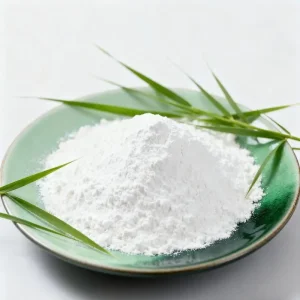
In the rapidly transforming global beauty and personal care landscape, formulators are pivoting away from harsh synthetic surfactants to ecological, skin-friendly, and biodegradable alternatives. Sodium Cocoyl Isethionate (SCI) Powder, colloquially known as "Baby Foam," sits at the very heart of this formulation revolution. As an ester-bonded anionic surfactant derived naturally from renewable coconut fatty acids, SCI delivers unparalleled mildness, exceptional lather quality, and outstanding performance across hard and soft water systems.
The global demand for Sodium Cocoyl Isethionate has experienced a compound annual growth rate (CAGR) of over 6.5% in recent years. This surge is predominantly driven by two massive shifts in the FMCG sector: the rise of "Sulfate-Free" labeling and the explosive growth of waterless beauty formats, such as solid shampoo bars, syndet bars, and concentrated powder cleansers. Standard anionic surfactants like Sodium Lauryl Sulfate (SLS) and Sodium Laureth Sulfate (SLES) are increasingly scrutinized for skin barrier disruption and environmental accumulation, paving the way for SCI to dominate premium and clean-label cosmetic formulations.
Historically, the manufacturing of SCI was highly centralized. However, industrial maturity has enabled advanced manufacturing hubs, particularly in China, to supply high-purity, low-impurity (specifically low free fatty acid and low sodium isethionate residues) SCI powder at commercial scales, making it viable for mass-market integration. The global cosmetic industry relies on SCI not just for its mildness, but for its role as a primary surfactant that doesn't compromise on foaming density or tactile creaminess.
China has established itself as the premier manufacturing powerhouse for daily chemical raw materials. Factories in Suzhou and major industrial chemical zones offer distinct structural advantages:
While SCI is famous for its mildness, its formulation requirements vary significantly by product format and region:
SCI acts as the structured backbone of modern waterless bars. Because it is practically insoluble in cold water, it forms a cohesive, non-mushy, slow-wearing bar matrix that generates immediate, rich lather under warm water. It allows formulators to integrate natural clays, botanical oils, and active proteins without collapsing the foam structure.
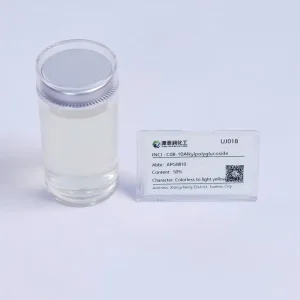
Integrating SCI into liquid systems requires expert solubilization. In cold formulations, SCI can recrystallize, leading to haziness. Formulators overcome this by combining SCI with amphoteric co-surfactants such as Cocamidopropyl Betaine (CAB-35) or non-ionic glucosides (APG0810 / APG1214) at high temperatures to build stable, clear micellar structures.
Furthermore, in baby care products, SCI's low trans-epidermal water loss (TEWL) profile makes it the surfactant of choice. It cleanses the delicate lipid layer of infant skin without stripping natural ceramides, ensuring zero irritation to skin and eyes.
Sustainability is no longer optional. The modern daily chemical industry is aligning with global standards such as EU REACH, ECOCERT, and COSMOS. Current trends in SCI development focus on:
When sourcing SCI globally, procurement directors must evaluate key parameters to guarantee performance stability. Active matter ranges typically from 80% to 86%. High active matter is preferred for dry products, while slightly lower active matter formulations (with higher residual fatty acids) can improve glide and mold release in solid bar extrusion. Free fatty acid levels (typically 8% to 14% stearic/coconut acid) serve as natural superfatting agents, giving the final product its signature creamy skin feel, but must be precisely controlled to avoid rancidity and scent degradation over time.
Ensuring sustainable resources, certified quality standards, and uninterrupted global logistical flows.
Access an exhaustive catalog of surfactants, thickeners, and functional conditioners from a single verified supplier.
Fully equipped analytical testing center offering tailored OEM/ODM formulation optimization and stability analysis.
Maximize margins via direct-from-factory volume agreements and optimized high-yield chemical synthesis pipelines.
Secure logistics structure ensuring materials arrive aligned perfectly with your batch production schedules.
Tailored formulations designed to target distinct consumer pain points and meet stringent eco-regulations.

Synthesized with highly biodegradable SLES and AOS surfactants, reinforced with CMEA to provide dense foam even under low temperatures.

Utilizes Sodium Cocoyl Glutamate and Sodium Lauroyl Sarcosinate for low-skin-irritation cleaning suitable for sensitive or acne-prone skin profiles.

Formulated around advanced ester-based quaternary ammonium salts, minimizing static build-up while providing excellent fluffiness.
Adapting physical forms, active concentrations, and functional properties to match your precise equipment setup.
Providing customized ratios of amphoteric and anionic systems to optimize viscosity, color stability, and clarity in varying regional water profiles.
Providing ultra-concentrated dry powders and stable liquid concentrates to assist brands transitioning to sustainable packaging.
Adjusting the free fatty acid ratios of SCI to modify extrusion rate, slip, hardness, and post-cleansing skin feel in premium soap-free bars.
Stay updated with our analytical lab's latest testing runs and product releases.
An in-depth study of our ultra-high active matter SCI85, showing synergistic mildness profiles when blended with alkyl glucosides.
Analyzing SCA-30's oil-resistant foaming behavior, optimizing it for clarify-focused botanical conditioning shampoos.
Exploring the structural benefits of this ester as a lightweight skin conditioner and dispersing medium in makeup formulations.
Request high-purity samples, customized packaging quotes, and complete technical documentation packages.
Inquire NowExpert answers addressing the technical, regulatory, and supply logistics questions of global buyers.
The differences are physical form and processing ease. SCI Powder dissolves faster in batch formulations and mixes easily with solid powder syndet ingredients. Flakes and granules are easier to handle in bulk storage, reducing workplace airborne dust, but require higher heating times to disperse uniformly.
Through rigorous chromatography testing, we keep the trace residual reactants (such as free sodium isethionate and residual esterification catalysts) down to trace levels. This limits protein denaturing and keeps the Zein skin irritation index extremely low.
Yes, our raw materials undergo strict quality screening. We provide full chemical trace certification, safety data sheets (SDS), and compliance document support for REACH, COSMOS, and clean-beauty regulations in Europe and North America.
SCI has limited solubility in cold water, which makes it challenging for cold-processed clear liquids. To make clear formulations, it must be co-solubilized at temperatures above 75°C alongside secondary surfactants such as Sodium Lauroyl Sarcosinate, CAPB, or Decyl Glucoside.
Our SCI Powder is typically packed in moisture-resistant 25kg multi-layer kraft paper bags or bulk supersacks. It must be stored in dry, well-ventilated warehouses below 35°C to prevent compaction or hydrolysis over extended storage times.
Complete your formulations with our range of amino acids, glucosides, and hair care active ingredients.