Discover our highly active formulations optimized for modern skin-care, hair-care, and green household cleansing applications.
Unlocking the structural dynamics, synthesis pathways, and interfacial efficiency of surfactant systems.
Sodium Lauroyl Glycinate (widely referred to within specific custom industrial databases under the search variance Sodium Lauglandylglycine) is an outstanding, biodegradable anionic surfactant. Synthesized through the condensation of natural lauroyl chloride with the glycine amino acid, this compound exhibits structural properties that differ significantly from classic linear alkylbenzene sulfonates (LAS) or sodium lauryl ether sulfate (SLES).
Operating with a critical micelle concentration (CMC) optimized for high cleansing and low skin barrier permeation, it produces a luxurious, creamy lather even under high calcium and magnesium water hardness conditions. Unlike traditional ethoxylated compounds, our production process involves no ethylene oxide, eliminating risk margins for 1,4-dioxane contamination.
The biological affinity of the glycine head group allows the surfactant to selectively cleanse sebaceous residues without stripping the structural stratum corneum proteins (such as keratin). Consequently, skin irritation parameters are dramatically minimized while preserving moisture balance.
| Parameter | Analytical Metric (Standard) |
|---|---|
| Active Matter | 95.0% Min (Powder) / 30% Min (Liquid) |
| CAS Number | 90387-74-9 / 18777-38-2 |
| pH Value (10% aq.) | 6.5 – 8.5 |
| Sodium Chloride | ≤ 5.0% (Desalted options available) |
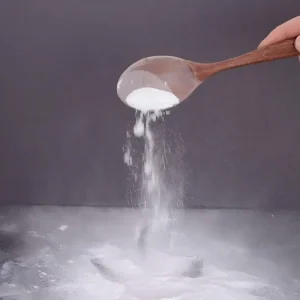
| Appearance | Fine White Powder / Light Straw Liquid |
Ensure formulation stability and texture enhancements with our specialized functional portfolio.
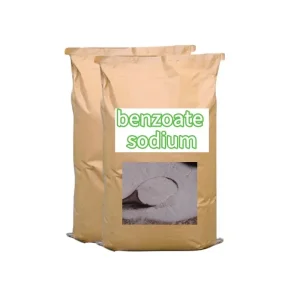
How cosmetic chemists and industrial formulation managers specify surfactants across diverse markets.
With the modernization of the Cosmetics Regulation Act (MoCRA) in the United States, transparency and high safety factors are critical. Sodium Lauroyl Glycinate serves as an optimal alternative to sulfates. Formulators source high-purity powder grades to meet the rigorous "Clean at Sephora" and Whole Foods ingredient limits.
ECHA (REACH compliance) mandates high biodegradability indexes for raw materials. Our Sodium Lauglandylglycine maintains a near 100% bio-based carbon rating, aligning perfectly with Eco-cert, COSMOS, and European Union Ecolabel standards. This facilitates seamless export validation for premium skin care developers.
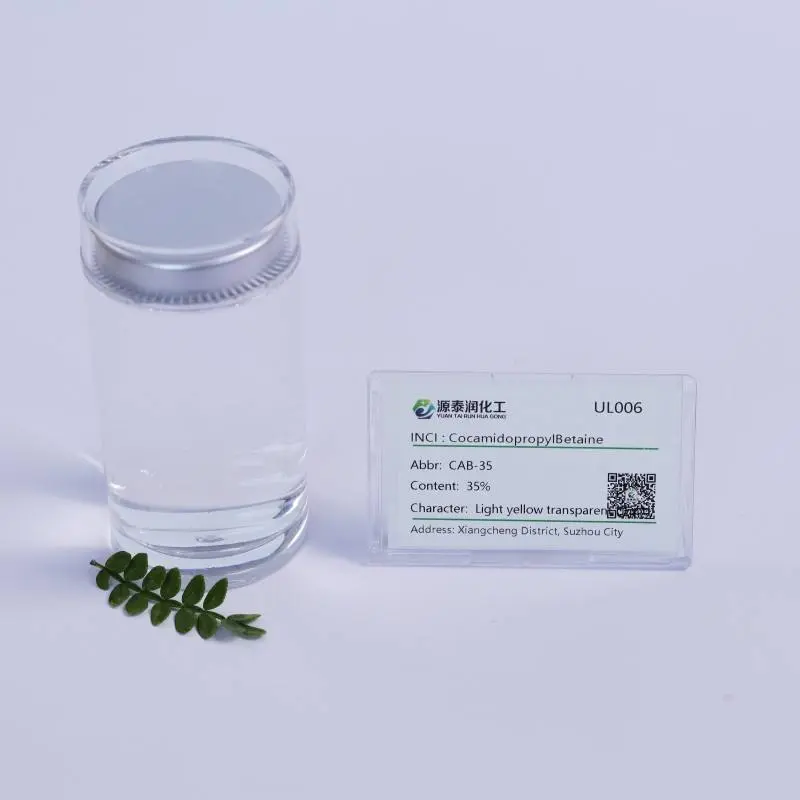
Within the highly competitive Japanese, Korean, and Chinese cosmetics markets, texture and skin feel are paramount. Combining Sodium Lauroyl Glycinate with gentle co-surfactants like Cocamidopropyl Betaine (CAB-35) or Sodium Lauroamphoacetate helps target sensitive skin demographics, ensuring low-irritation metrics.
Industrially, the synthesis of Sodium Lauroyl Glycinate utilizes the Schotten-Baumann reaction. Lauroyl chloride is reacted with glycine under cold, alkaline conditions to produce the sodium salt, which is then refined and spray-dried. Key technical indicators of this process include the control of free fatty acids and residual sodium chloride. High concentrations of free fatty acids can negatively impact foaming and formulation viscosity.
Our manufacturing plants employ advanced thin-film evaporation and crystallization procedures. This guarantees that free lauric acid remains under 3.0%, while salt levels are carefully controlled. This allows for stable, high-foaming preparations even in formulations containing cationic conditioning agents like Polyquaternium-7 or Polyurethane-10.
As a leading supplier in the daily chemical raw materials industry, Suzhou Yuantairun Chemical Co., Ltd. (YuantaiRun) is dedicated to delivering high-quality products and comprehensive one-stop services to support our customers in R&D, production, and supply chain optimization. Our mission is to drive innovation and efficiency in the global daily chemical industry by providing cutting-edge solutions tailored to our clients' needs.


Assuring you that our products originate from well-managed, sustainable, and high-performance chemical operations.

We provide a comprehensive range of surfactant technologies, including green amino acids, thickeners, and preservatives.

Our dedicated application laboratories specialize in OEM and ODM formulation assistance, helping you balance viscosity, foam, and cost.

Our vertically integrated raw material supply chains allow us to deliver superior quality products with highly competitive pricing structures.

We ensure materials are dispatched and delivered to your manufacturing facilities exactly when needed, preventing production delays.
Discover how our chemical building blocks perform in standard commercial formulations.
Sourcing synergy: Uses SLES (Sodium Laureth Sulfate) and AOS (Sodium Alpha-Olefin Sulfonate) as core surfactants for superior cleaning and rich foam. Combined with thickener CMEA (Cocamide MEA) for optimal viscosity and user experience.
Sourcing synergy: Features Sodium Cocoyl Glutamate and Sodium Lauroyl Sarcosinate for ultra-mild cleansing, ideal for sensitive skin. Certified by ECOCERT, meeting the demand for clean beauty in premium markets.
Sourcing synergy: Utilizes cationic surfactant 1631 70 (Cetrimonium Chloride) for enhanced fabric softness and anti-static properties. Highly concentrated formulations reduce global packaging and transportation overheads.
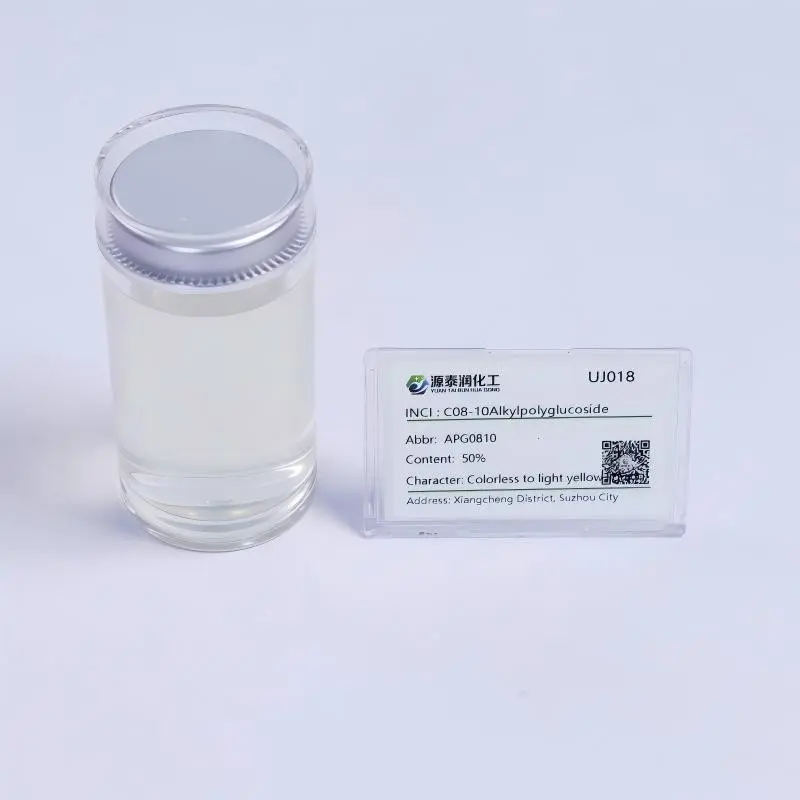
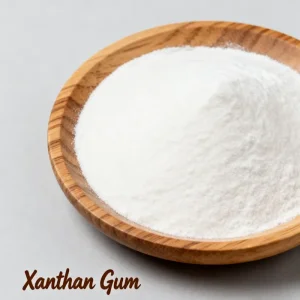
Combines amphoteric CAB-35 (Cocamidopropyl Betaine) and non-ionic APG1214 (Lauryl Glucoside) for rich, low-residue lather, incorporating Xanthan Gum for viscosity stability.
Powered by LAS (Linear Alkylbenzene Sulfonate) and solvent EGDS for rapid breakdown of tough grease. Biodegradable profile meets industrial wastewater standards.
Partner with our engineering team to design bespoke formulation concentrates customized for your target market.
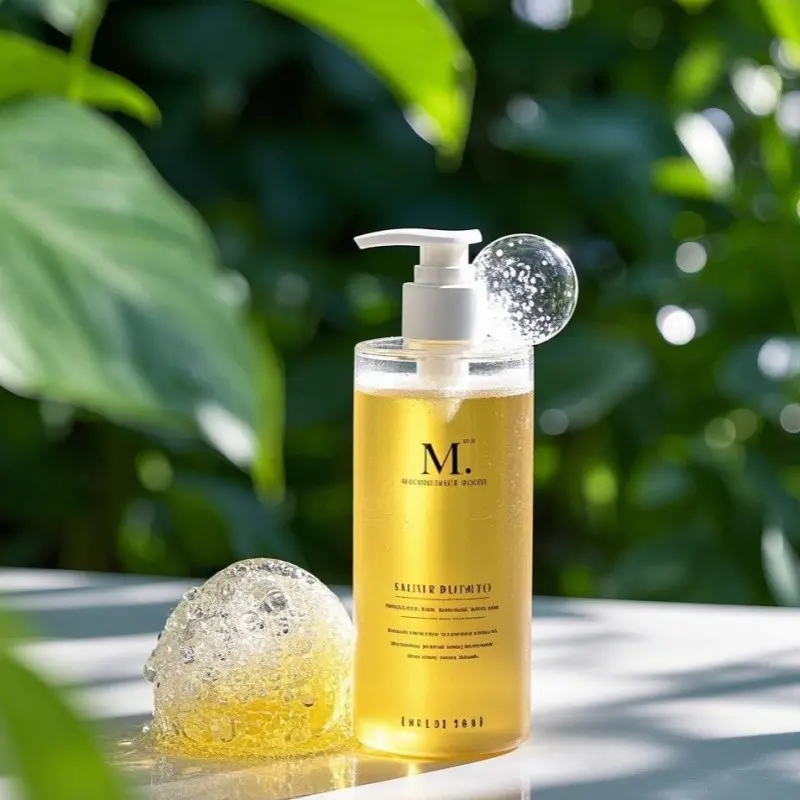

Customized formulations optimized for professional salons, hotels, and mass retail markets. We offer variable packaging shapes, customized viscosity metrics, and adjustable surfactant ratios.
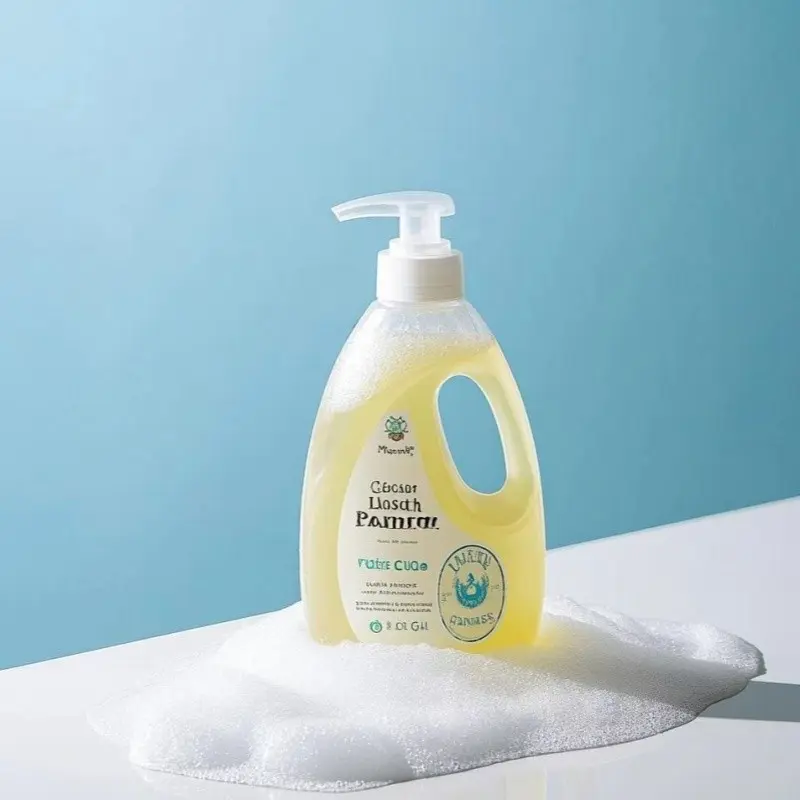
Formulated to meet regional environmental criteria. Select customized fragrances, enzymatic cleaning additives, and low-temperature surfactant matrices.
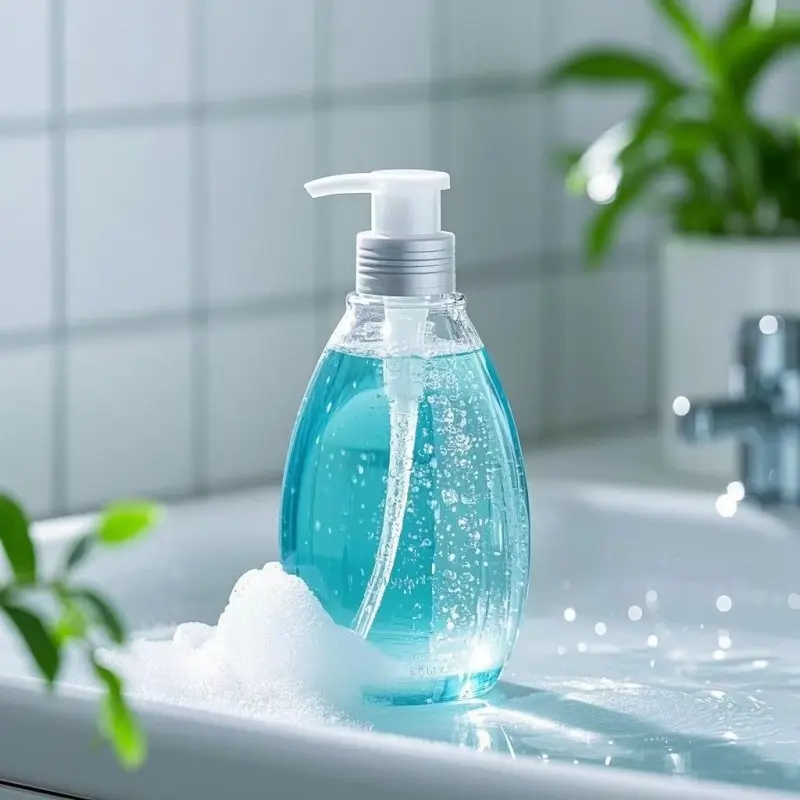
High-performance formulations developed for commercial centers, public facilities, and consumer retail lines. Gentle on skin, with optional antibacterial additives.
Pioneering sustainable carbon cycles and eco-friendly manufacturing for amino acid surfactants.
The future of clean beauty depends on replacing petrochemical raw materials with renewable alternatives. Historically, fatty acid fractions like lauroyl chloride have been derived from natural coconut oil, but the glycine amino acid has often relied on synthetic petrochemical sources.
Our future roadmap focuses on utilizing enzymatic glycine derived from bio-fermentation processes. This enables us to offer a 100% plant-based and renewably sourced Sodium Lauroyl Glycinate. Additionally, we are actively working with palm oil suppliers certified by the Roundtable on Sustainable Palm Oil (RSPO) to ensure complete supply chain transparency.
By implementing closed-loop water systems and catalytic condensation routes in our chemical parks, we are working to reduce the carbon footprint of our operations. Advanced recycling technology recovers and cleans salt byproducts, allowing them to be reused within the chemical manufacturing cycle. This supports a circular economy model and helps minimize waste.
Get answers to critical technical questions regarding the properties and procurement of Sodium Lauroyl Glycinate.
"Sodium Lauroyl Glycinate" is the standard International Nomenclature of Cosmetic Ingredients (INCI) name for this amino acid surfactant, registered under CAS No. 90387-74-9. The term "Sodium Lauglandylglycine" is often a phonetic translation or commercial search term used to describe this surfactant technology. Both terms refer to the same functional compound used for mild foaming and skin cleansing.
Unlike traditional anionic surfactants like Sodium Lauryl Sulfate (SLS), which can precipitate and lose foaming efficiency in the presence of calcium and magnesium ions, Sodium Lauroyl Glycinate maintains good stability and lather volume in hard water. Its high tolerance to divalent ions helps ensure consistent performance across different regional water conditions.
Sodium Lauroyl Glycinate performs best in the pH range of 5.5 to 8.0. In slightly acidic formulations (pH 5.5 - 6.5), which match the skin's natural pH, it helps maintain skin barrier integrity while producing a creamy, stable lather. Formulators can adjust viscosity and clarity by selecting appropriate co-surfactants and thickeners.
Yes, all raw materials manufactured by Suzhou Yuantairun Chemical Co., Ltd. are accompanied by comprehensive regulatory dossiers, including REACH registration (Europe), TSCA declarations (USA), and IECIC listing (China). We provide MSDS, COA, and Kosher/Halal certifications to support global exports.
Stay updated on our latest product developments, green chemistry research, and formulation trends.
Discover Runtec® SCI85: A mild anionic surfactant with high active ingredient content and excellent compatibility. Perfect for formulating gentle, refreshing cleansing products.
Read Full Release →Introducing Runtec® SCA-30, an amino acid-based surfactant designed for personal care formulations. It provides good oil resistance and foaming properties, making it well-suited for mild shampoos and facial washes.
Read Full Release →A detailed analysis of Cetyl Ethylhexanoate, a skin-conditioning emollient that mimics seabird feather oil. Excellent compatibility with various cosmetic oils.
Read Full Release →High-performance functional surfactants and stabilizers specified by leading personal care brands.
Partner with Suzhou Yuantairun Chemical Co., Ltd. for consistent product quality, technical formulation support, and reliable supply chain logistics.
Send Sourcing Inquiry