Direct supply of high-purity cosmetic, industrial, and food-grade daily chemical raw materials with stable molecular performance.
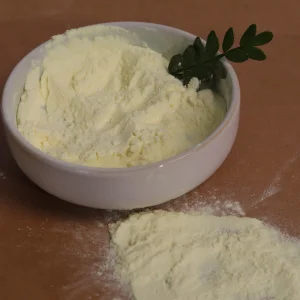
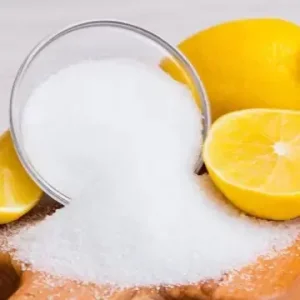

In daily chemical manufacturing and industrial formulation engineering, the control of multiphase interfaces is the cornerstone of product success. Stabilizers and emulsifiers are not merely process additives; they are thermodynamic regulators. Emulsifiers act by reducing interfacial tension at the oil-water boundary, enabling the creation of kinetically stable dispersions. Concurrently, stabilizers prevent natural phenomena such as coalescence, flocculation, creaming, and sedimentation by altering the rheological properties of the continuous phase or introducing electrostatic and steric repulsion barriers.
As a specialized chemical enterprise, Suzhou Yuantairun Chemical Co., Ltd. (YuantaiRun) addresses these interface challenges by supplying precise surfactant architectures. From highly hydrophobic compounds (low HLB) to highly hydrophilic polymers (high HLB), our product line enables formulators to achieve consistent viscosity profiles, fine foam structures, and extended shelf life under variable thermal and mechanical stresses.
Modern global chemical sourcing managers face escalating market complexity. Regulatory transitions, raw material availability, and geopolitical shifting demand a highly resilient supply chain. Key challenges in global procurement include:
To meet these requirements, YuantaiRun provides transparent sourcing chains, standardized batch certificates (COA), and customized logistics services that ensure critical emulsification components arrive exactly when production facilities need them.
To select the appropriate stabilizer or emulsifier, formulation engineers must evaluate chemical class, hydrophilic-lipophilic balance (HLB), and compatibility:
How our surfactants and stabilizers are engineered for specific consumer and industrial applications.
High-efficiency home care products require complex surfactant synergy to suspend soil particles and prevent redeposition during the wash cycle.
Premium facial washes demand ultra-mild surfactants that cleanse effectively without disrupting the skin's lipid barrier.
Industrial textile finishing and home care softeners utilize positively charged molecules to bond with negatively charged fabrics.
Body care formulations require a balance between dense, luxurious foam and smooth rinseability, utilizing amphoteric synergists.
Tackling heavy hydrocarbons, mineral oils, and grease deposits on mechanical parts requires rapid wetting and micro-emulsification.
Different regions and markets demand adjustments in fragrance load, viscosity, and chemical concentration based on climate and water hardness.
Suzhou Yuantairun Chemical Co., Ltd. provides chemical logistics solutions backed by technical expertise.
We supply a comprehensive catalog of daily chemical raw materials, simplifying your procurement and reducing vendor management costs.
We offer ODM/OEM formulation engineering services and laboratory support to help optimize product performance and stability.
Our raw materials balance performance and cost, ensuring you receive quality components at pricing that supports your market competitiveness.
Our logistics systems are designed to coordinate deliveries with your production schedule, minimizing holding costs and factory downtime.
The chemical industry is transitioning from fossil-based synthetic surfactants to green, bio-based alternatives. Our current research and product roadmap prioritize these key areas of innovation:
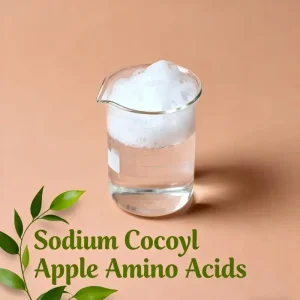
Natural Amino Acid Surfactant Tech: Conventional surfactants can strip skin proteins, causing barrier damage. Utilizing acyl proteins and natural apple amino acids (such as our Sodium Cocoyl Apple Amino Acids), we produce gentle systems with rich foam densities suitable for high-end personal care.
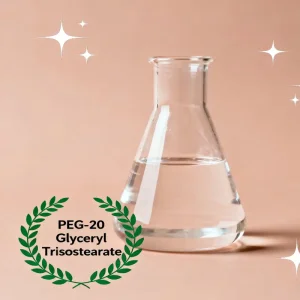
1,4-Dioxane & Ethylene Oxide Control: Consumers and regulators are increasingly concerned with cosmetic byproducts. Our manufacturing processes utilize controlled alkoxylation and stripping technologies to minimize trace impurities in compounds like PEG-20 Glyceryl Triisostearate.
Cold-Process Emulsification: Minimizing energy use in industrial operations is critical. We develop cold-water soluble thickeners and self-emulsifying bases that eliminate the heating step in cream and lotion production, supporting reduced energy consumption during manufacturing.
To maintain export quality, Suzhou Yuantairun Chemical operates under a rigorous quality control framework. Each batch of raw materials undergoes standardized testing:
Stay updated with our latest chemical breakthroughs, product releases, and industrial application guides.
Runtec® SCI85 (Sodium Cocoyl Isethionate) features high active ingredient content and excellent compatibility. Designed to create a gentle, refreshing feel in premium formulations.
Our Sodium Cocoyl Alaninate surfactant is engineered to perform in the presence of oils, providing foam generation and skin protection in shampoos and cleansers.
A cosmetic emollient compatible with various oils, offering spreading power and moisturizing properties without leaving a heavy, greasy residue.
Scientific and logistical details answered by our technical service department.
Surfactant-based stabilizers work by reducing interfacial tension at the boundary layers of immiscible liquids, aligning their hydrophilic and lipophilic ends. Polymeric stabilizers (such as Guar Derivatives) increase the viscosity of the continuous phase, creating physical steric barriers that entrap droplets and prevent coalescence, regardless of interfacial tension.
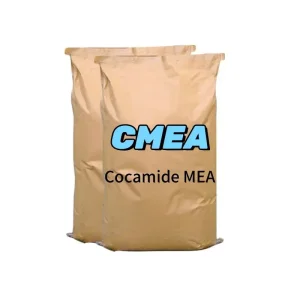
CMEA behaves as a nonionic foam booster and viscosity builder. In anionic surfactant mixtures, CMEA molecules insert between the anionic polar heads, reducing electrostatic repulsion. This promotes the transition from spherical micelles to elongated rod-like micelles, creating an entangled network that increases viscosity.
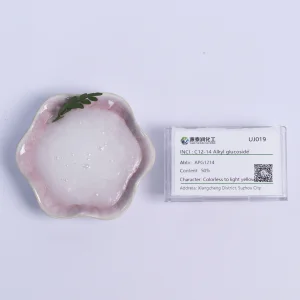
APG surfactants, such as APG1214, are synthesized from renewable plant-derived raw materials (starch/glucose and fatty alcohols). They offer high biodegradability, low aquatic toxicity, and clean cleansing action, making them suitable for eco-certified personal care and home care lines.
Most of our emulsifiers and surfactants have a shelf life of 24 months from the date of manufacture when stored in their original unopened packaging, at temperatures between 5°C and 35°C, away from direct sunlight and moisture.
We work closely with global regulatory agencies, offering full documentation support. We provide Safety Data Sheets (SDS) matching GHS standards, Certificates of Analysis (COA) for every shipment, and regulatory declarations verifying compliance with REACH, cosmetic safety regulations, and heavy-metal limits.
Browse our selection of emollients, functional repair materials, and foaming agents.