Explore our elite chemical additives engineered to drive stability, thickening, and enhanced tactile performance in personal and home care products.
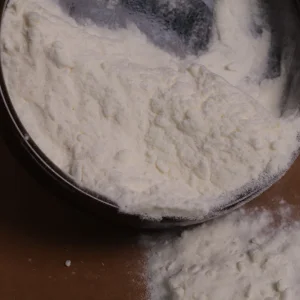
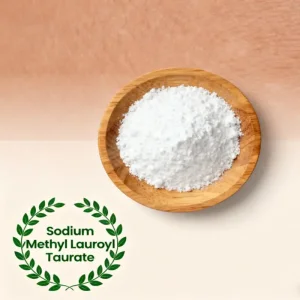
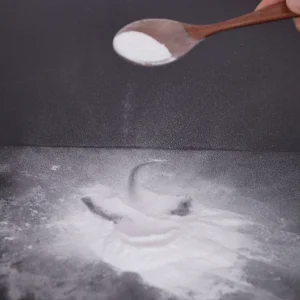

In modern colloid and interface science, the stability of complex emulsions is heavily reliant on the structural integrity of natural polymeric networks. Cellulose Gel (commonly referred to as Microcrystalline Cellulose or MCC) and Cellulose Gum (Sodium Carboxymethyl Cellulose or CMC) represent the gold standard in bio-based rheological modifiers.
At a molecular level, Cellulose Gel is derived from high-purity wood pulp or cotton linters. Through controlled acid hydrolysis, the amorphous regions of the cellulose chains are cleaved, yielding highly crystalline sub-micron particles. When dispersed under high shear, these micro-crystals align to form a three-dimensional, insoluble network bound by intensive hydrogen bonding.
In contrast, Cellulose Gum is a chemically modified water-soluble polymer created by etherifying cellulose with sodium monochloroacetate. This introduces anionic carboxymethyl groups along the anhydroglucose backbone. The resulting electrostatic repulsion allows the polymer to hydrate instantly, providing controllable viscosity, high water-binding capacity, and synergy with surfactants.
Consult an Expert Formulation EngineerLeading Global Manufacturer and Pioneer in Sustainable Functional Hydrocolloid Systems
As a leading supplier in the daily chemical raw materials industry, Suzhou Yuantairun Chemical Co., Ltd. is dedicated to delivering high-quality products and comprehensive one-stop services to support our customers in R&D, production, and supply chain optimization. Our mission is to drive innovation and efficiency in the global daily chemical industry by providing cutting-edge solutions tailored to our clients' needs.
Our state-of-the-art facilities produce high-purity Cellulose Gels, Cellulose Gums, and a full spectrum of specialized surfactants (such as Sodium Lauroyl Sarcosinate, Sodium Cocoyl Glutamate, and Cocamidopropyl Betaine). By controlling the chain length, degree of substitution, and particle size distribution, we deliver solutions that solve the most complex rheological issues encountered by formulators worldwide.

How Cellulose Gel and Gum interact with other functional ingredients to resolve stability bottlenecks across sectors.
In surfactant platforms like personal care cleansers, insoluble materials (such as physical sunscreen UV blocks or silicones) tend to coalesce. Cellulose Gel provides a steric network with a high yield stress. This yield stress holds suspended particles without altering the pourability of the final product, preventing phase separation over long storage durations.
Cellulose Gum exhibits pseudoplastic (shear-thinning) rheology. Under low shear, it offers high viscosity to maintain package aesthetic and prevent drippage. Upon application of shear (e.g., pumping or squeezing), the polymer chains align, reducing the viscosity instantly for ease of application. Viscosity returns immediately upon removal of shear.
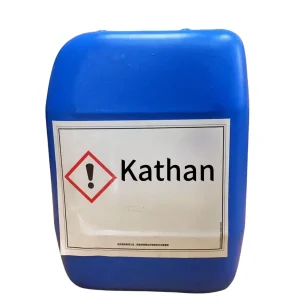
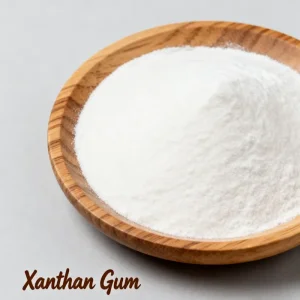
Blending Cellulose Gum with Xanthan Gum (e.g., Xanthan Gum Thickener CAS No. 11138-66-2) creates an interlocking physical network. The synergistic viscosity is significantly higher than that of either component alone. This approach allows formulators to reduce overall binder concentrations while enhancing lotion stability.
| Industrial Domain | Formulation Challenges Addressed | Cellulose Synergistic Partner Ingredients | Expected Rheological Outcomes |
|---|---|---|---|
| Personal Care & Cosmetics | Surfactant compatibility, syneresis prevention, creamy lather stabilization | HEC, Sodium Cocoyl Glutamate, Cocamidopropyl Betaine (CAB-35) | Enhanced foam volume, skin-feel lubricity, zero phase separation at 45°C |
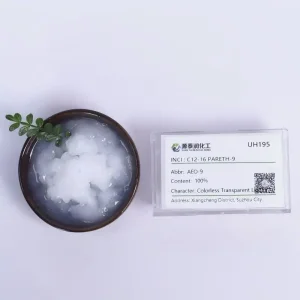
| Home Care & Detergents | Electrolyte tolerance, enzyme compatibility, high active-load suspension | EDTA Chelator, AEO-9, Sodium Lauryl Sulfosuccinate | Optimal pour-spout shear thinning, micro-capsule fragrance stabilization |
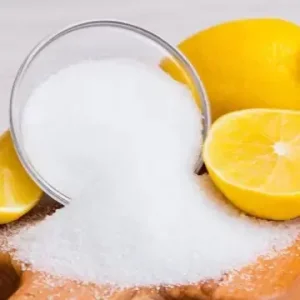
| Food Grade Processing | Freeze-thaw stability, fat replacement texture mimicking, clean label demands | Xanthan Gum, Sodium Benzoate, Citric Acid Monohydrate | Moisture retention during bake cycles, smooth mouthfeel in dairy alternatives |
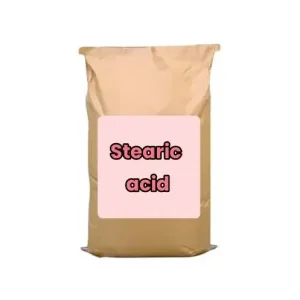
| Industrial Thickening | High shear tolerance, extreme pH conditions, salt-induced viscosity drop | Stearic Acid 1801, Phenoxyethanol (Preservative matrix) | Uniform surface coverage, drip resistance on vertical surfaces, batch consistency |
Proven molecular combinations tailored for regional regulatory standards and target application scenarios.
Targeting premium clean-beauty consumer trends in North America and Western Europe, where synthetic polymers like Carbomer are phase-out priorities.
Result: Silky, transparent foam texture that maintains viscosity across high temperature shifts without relying on inorganic salts.
Developed for compliance with the EU Ecolabel and strict bio-degradability metrics for professional and domestic laundry markets.
Result: Suspension of enzymes, avoidance of soil redeposition back onto fibers, and enhanced pourability.
Ensuring robust supply chain logistics, localized support, and full alignment with international standards.
All Cellulose Gel and Gum batches produced at Suzhou Yuantairun Chemical factories undergo chromatography and molecular analysis. We maintain strict compliance with FDA, REACH, Halal, Kosher, and ISO 9001 quality management guidelines.
With strategically located distribution centers, we offer just-in-time delivery options for clients throughout North America, Europe, Southeast Asia, and the Middle East, bypassing traditional shipping bottlenecks.
Our advanced R&D laboratories offer OEM and ODM services. We test customized parameters (viscosity profiles, substitution degree, and particle mesh size) to meet exact consumer viscosity and cost-structure targets.
How our dedicated process engineering translates to cost savings and formula optimization for you.
Eliminate complex multi-vendor negotiations. In addition to Cellulose stabilizers, we provide a complete catalog of amino acid surfactants, chelators, and preservatives. This compatibility guarantees no formulation separation during production scale-up.
Our raw wood pulps are sourced exclusively from FSC-certified sustainably managed forestry operations. Our enzymatic chemical modification processes are designed to minimize wastewater generation, enabling you to claim clean-label status.
By bypassing brokers and chemical middlemen, we pass structural cost savings directly to your manufacturing plants. Bulk contracts lock in prices and volume, protecting your supply against sudden global market swings.
Whether your process requires fast-dispersing granules to avoid agglomeration ("fish-eyes") or ultra-fine micronized powders for high smoothness, our factory lines can customize the physical properties of our cellulose range.
Pioneering the next generation of bio-based thickeners to replace synthetic microplastics.
As regulatory bodies worldwide (including the EPA and European Chemicals Agency - ECHA) tighten restrictions on synthetic polyacrylate thickeners (such as carbomers and microplastic emulsions), the industry is shifting toward zero-pollution, bio-based alternatives.
Our upcoming product generation focuses on MFC networks. By using high-pressure mechanical homogenization, we expand the cellulose surface area, creating high yield stress at low concentration levels.
Increasing salt tolerance is a key objective for Cellulose Gum applications. Our R&D team is refining our chemical reactors to create a highly uniform distribution of carboxymethyl groups along the polymer backbone, which will maintain viscosity even in high-salinity shampoo formulations.
Through these initiatives, Suzhou Yuantairun Chemical is leading the transition toward a cleaner daily chemical industry, ensuring that green formulations do not compromise on performance.
Direct technical advice from our chemical engineers on incorporating Cellulose Gel and Cellulose Gum in real-world formulations.
The Degree of Substitution (DS) represents the average number of hydroxyl groups per anhydroglucose unit that have been converted to carboxymethyl groups. A higher DS (typically 0.9 to 1.2) increases hydration rate and improves salt tolerance. When formulating products with high salt or ionic content (such as formulations containing Cocamidopropyl Betaine or Sodium Chloride), choosing a high-DS Cellulose Gum prevents phase separation, as the extra anionic charges prevent polymer coil shrinkage in solution.
To prevent agglomeration, Cellulose Gum must be dispersed properly. Best practices include: 1) Premixing the cellulose powder with other dry ingredients (like sugar or solid surfactants) before adding to water. 2) Slurrying the polymer in a water-miscible organic carrier, such as glycerin or propylene glycol, prior to hydration. 3) Using high-shear mixing equipment and adding the powder gradually into the vortex of warm water (50-60°C).
Yes. Cellulose Gel (Microcrystalline Cellulose) combined with Cellulose Gum acts as a direct, bio-based alternative to carbomers. While carbomers are highly sensitive to electrolytes and drop in viscosity when active botanical extracts or salts are added, Cellulose Gel relies on physical network interlocking. This structure remains highly stable in electrolyte-rich, low-pH, or high-salt systems, providing a clean-label alternative.
Unlike many starch-based thickeners, sodium carboxymethyl cellulose exhibits stable viscosity behavior under heating. High-purity Cellulose Gums maintain viscosity stable after exposure to high temperature pasteurization cycles (85°C to 135°C), showing minimal thermal degradation. This makes them ideal stabilizers for liquid food products, creams, and emulsions that require pasteurization.
In hard water conditions, divalent ions like Ca2+ and Mg2+ can bind with cellulosics, causing precipitation or a drop in viscosity. Adding a chelating agent like Disodium Edetate Dihydrate EDTA sequesters these metal ions, protecting the cellulose network. This synergy maintains formula clarity, improves foaming, and extends shelf-life.
We use automated controls to monitor temperature, raw material feed rates, and chemical reactions. Each production run is checked using Brookfield viscometers, laser diffraction particle analysis, and moisture determination to ensure the product meets all technical specifications prior to packaging.
Connect with our technical engineers to request samples, customize molecular specifications, or discuss industrial contract rates.
Send Technical InquiryPair our cellulose structures with high-quality emollients, preservatives, and stabilizers to complete your chemical specifications.