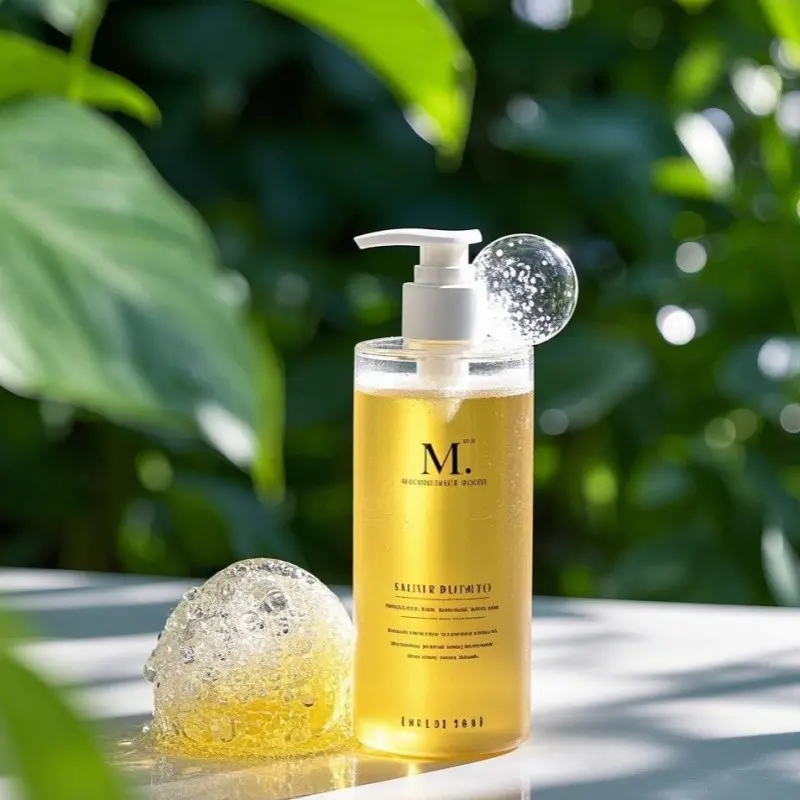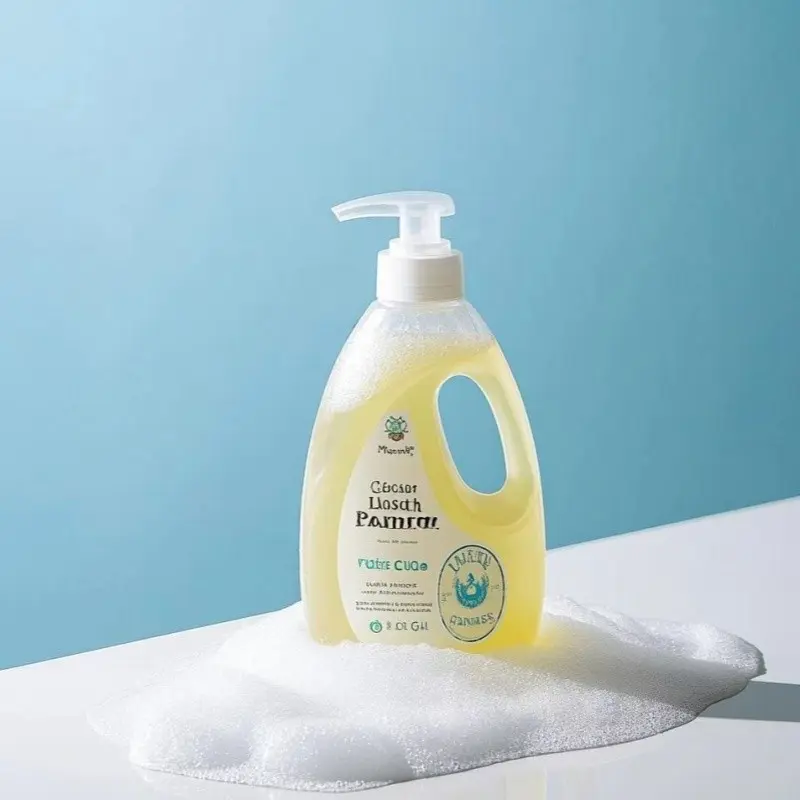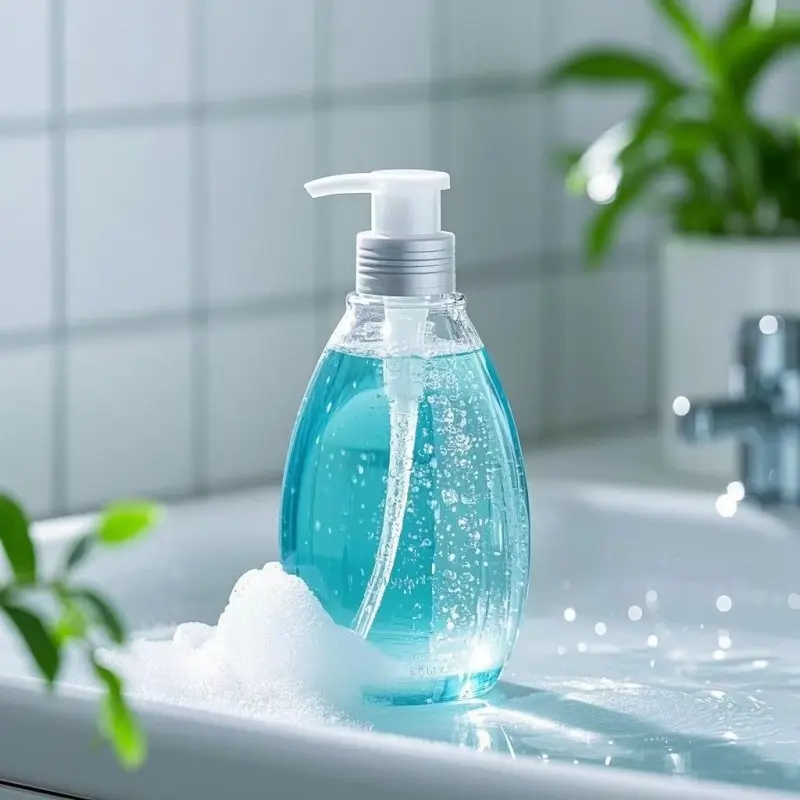
Disodium Laureth Sulfosuccinate 30% Liquid Anionic Surfactant

Premium Sulfate-Free Foaming Agent, Softener, Emulsifier, and Humectant Tailored for Advanced Personal Care and Green Cosmetics Formulations (CAS NO. 39354-45-5 / 40754-59-4)

Technical Whitepaper

1. Chemical Identity & Structural Characteristics of DLS 30%

Disodium Laureth Sulfosuccinate (DLS) 30% Liquid is a highly functional, specialty sulfosuccinate monoester anionic surfactant. Synthesized through the esterification of ethoxylated lauryl alcohol (Laureth-n) with maleic anhydride, followed by a selective sulfonation reaction using sodium bisulfite, this chemical structure grants the compound a distinct set of amphiphilic and toxicological properties. Identified internationally by CAS No. 39354-45-5 (and widely related to CAS 40754-59-4), DLS is engineered as a core constituent for modern personal care, medical cleansers, and high-performance baby care products.

The molecular configuration features a dense hydrophilic head group consisting of both a sulfonate and a carboxylate moiety, combined with a hydrophobic fatty alcohol chain modified by ethylene oxide (EO) insertion. The inclusion of the ethoxy spacer reduces the charge density of the anionic group, which drastically minimizes interfacial denaturation of skin proteins (keratin) compared to conventional alkyl sulfates like SLES or SLS. At a standardized 30% aqueous concentration, the system achieves a delicate thermodynamic equilibrium, exhibiting optimal viscosity, low crystallization temperature, and exceptional handling properties in liquid processing lines.

Sulfate-Free Conformity

Unlike traditional ethoxylated sulfates, DLS has no direct sulfate bond, allowing formulation chemists to fulfill rigorous "Sulfate-Free" market claims without compromising lather quality.

Ethoxylation Optimization

The degree of ethoxylation (typically 1 to 3 moles of EO) is strictly controlled during raw synthesis to balance oil-cleansing dynamics against skin barrier preservation.

Hydrolytic Balance

Maintaining a product pH range of 5.5 to 7.0 is crucial. At these parameters, the ester linkage within DLS remains stable, avoiding premature degradation during storage.
Market Dynamics

2. Global Commercial Landscape and Evolving Industrial Trends

The demand for Disodium Laureth Sulfosuccinate 30% Liquid is witnessing exponential growth in the global surfactant market, heavily propelled by the paradigm shift towards Clean Beauty, Sensitive Skin Care, and Sustainable Sourcing. Historically treated as a co-surfactant, DLS 30% has transitionally become a primary surfactant in many premium formulations. Global market studies indicate that consumers are actively avoiding harsh surfactants due to increased awareness of skin conditions like eczema, contact dermatitis, and general barrier dysfunction.

From an industrial perspective, manufacturers and exporters face stricter regulations regarding secondary contaminants, specifically 1,4-dioxane and residual unreacted ethylene oxide. Suzhou Yuantairun Chemical utilizes state-of-the-art vacuum stripping technology during the synthesis process to ensure that free 1,4-dioxane levels are kept well below regulatory thresholds (often < 10 ppm), making our raw material fully compliant with EU REACH, US FDA, and ASEAN cosmetic regulations. This commitment to chemical purity has positioned our factories as preferred export partners for multinational cosmetic brands.

30%
Standard Active Concentration
<10ppm
Ultra-low 1,4-Dioxane Trace
100%
Sulfate-Free System Compliant
OECD 301B
Rapid Biodegradability Rating
Mechanistic Behavior

3. Multifunctional Performance Mechanisms in Personal Care

To understand the high-value utility of DLS 30% Liquid, formulators must dissect its dual thermodynamic and surface-active behaviors:

Foaming Performance and Bubble Architecture

Despite its extreme mildness, DLS 30% generates a fast-building, high-volume, and creamier micro-foam. The ethylene oxide groups allow the surfactant molecules to pack closely at the air-water interface, increasing elastic surface viscosity. This prevents drainage of the liquid film separating the bubbles, leading to stable, long-lasting lather that matches the performance of traditional ether sulfates.

Softening and Skin Conditioning Action

Standard anionic surfactants carry a high negative charge density that binds strongly to positive sites on keratin, leading to protein denaturation, barrier disruption, and dry skin. The bulky structure of the sulfosuccinate monoester, combined with ethoxylation, steric hindrance, and low micellar charge density, prevents deep penetration into the stratum corneum. This allows the surfactant to cleanse gently without stripping natural lipids, leaving a soft, conditioned, and non-tight post-wash feel.

Emulsification and Solubilization Capacity

With its balanced Hydrophilic-Lipophilic Balance (HLB), DLS 30% functions as an excellent auxiliary O/W emulsifier. It stabilizes lipid phases in cleansing creams and assists in solubilizing fragrances, essential oils, and lipophilic active ingredients like vitamins or botanical extracts into transparent aqueous surfactant matrices without requiring high levels of synthetic solvents.

Featured Innovation Materials Showcase

Suzhou Yuantairun Chemical provides a comprehensive portfolio of specialty cosmetic raw materials, including advanced amino acid surfactants, thickeners, and green preservatives.

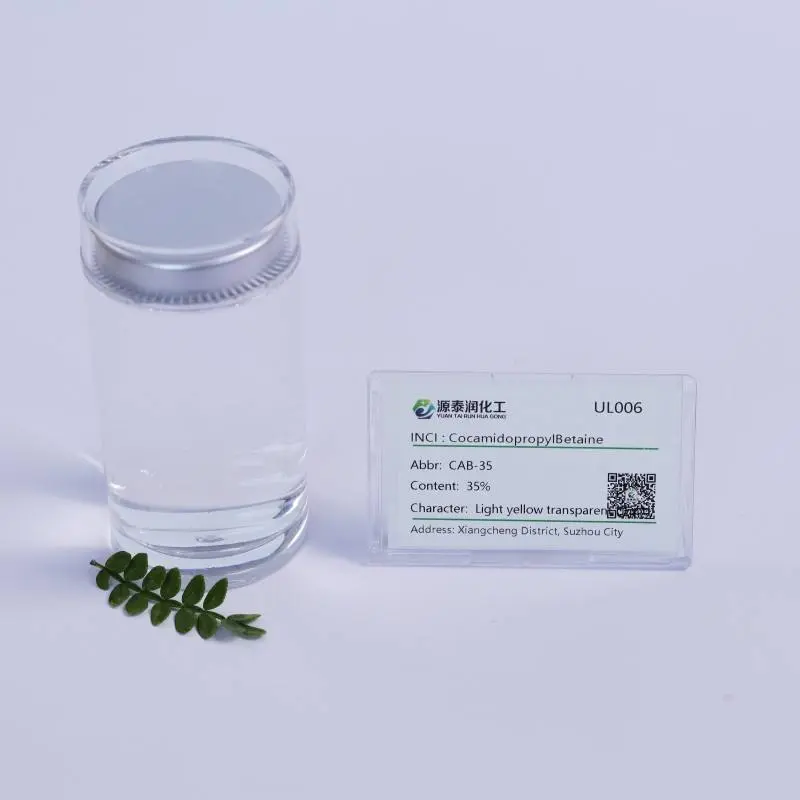
Cocamidopropyl Betaine 35% CAB-35

Cocamidopropyl Betaine 35% CAB-35 Cosmetic Grade Amphoteric Surfactant Foaming Agent for Personal Care Product CAS NO.: 61789-40-0

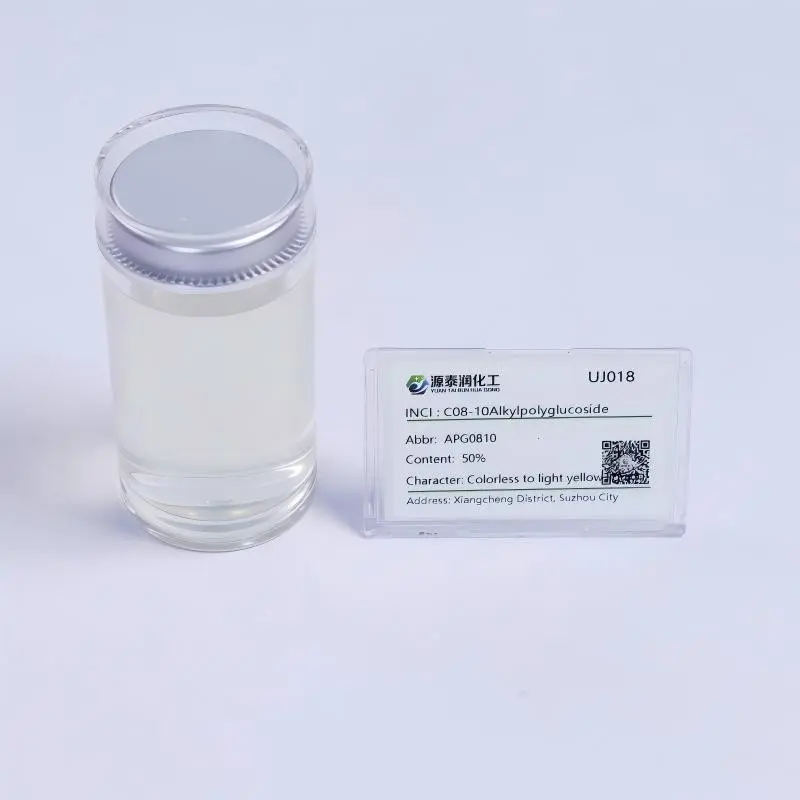
APG0810 Caprylyl/Capryl Glucoside Liquid 50%

APG0810 Caprylyl/Capryl Glucoside Liquid 50% C8-10 Alkyl Glycosides Nonionic Surfactant Foaming & Thickening Agent for Personal Care & Home Care products CAS NO.: 68515-73-1

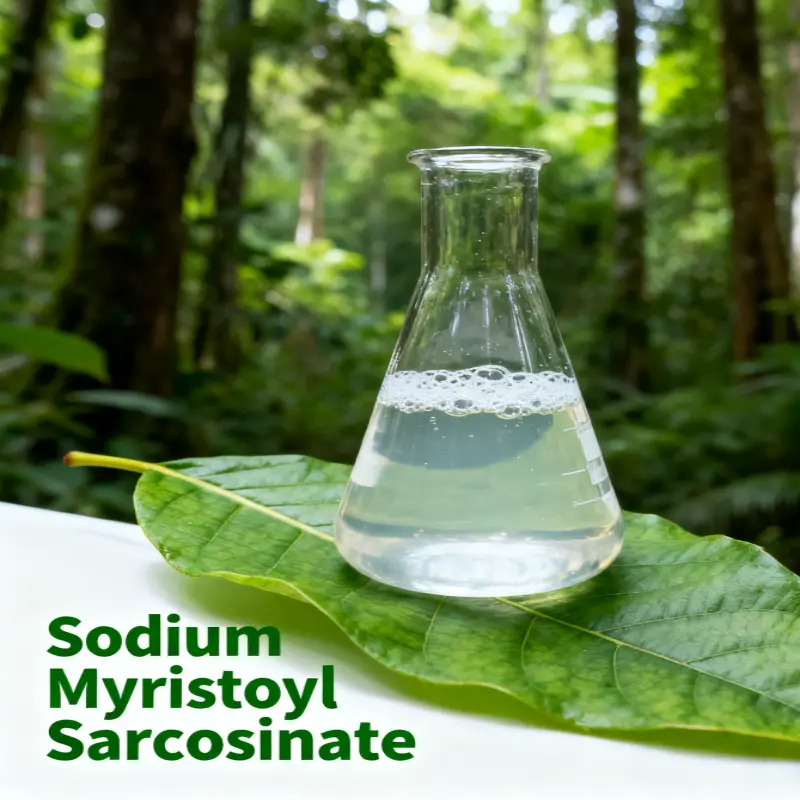
Sodium Myristoyl Sarcosinate 30%

Sodium Myristoyl Sarcosinate 30% Liquid No Preservative Amino Acid Surfactant Degreasing and Foaming Agent for Personal Care Product CAS NO.: 30364-51-3

Disodium Lauryl Sulfosuccinate Powder 95%

Disodium Lauryl Sulfosuccinate Powder 95% Mild Succinic Acid Monoester Anionic Surfactant for Facial Cleanser Personal Care Product CAS: 13192-12-6

Sodium Lauroyl Sarcosinate 30%

Sodium Lauroyl Sarcosinate 30% Liquid No Preservative Amino Acid Surfactant Foaming Agent for Personal Care Product CAS NO.: 137-16-6

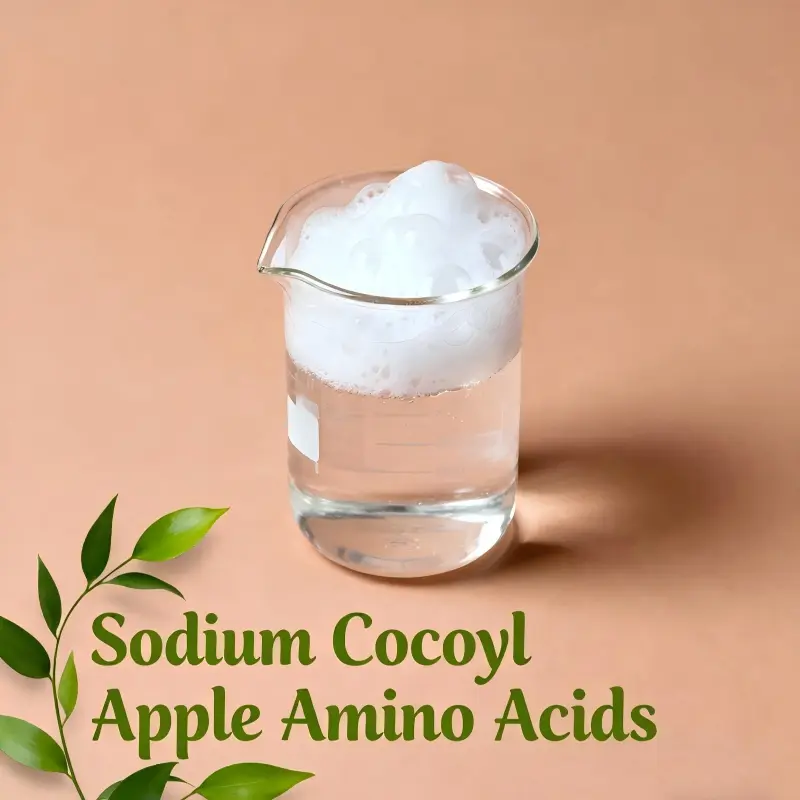
Cosmetic Grade Sodium Cocoyl Apple Amino Acids

Cosmetic Grade Sodium Cocoyl Apple Amino Acids 30%/50% Liquid Amino Acid Surfactant & Foaming Agent & Conditioner for Personal Care & Home Care Product CAS NO.: 68188-38-5

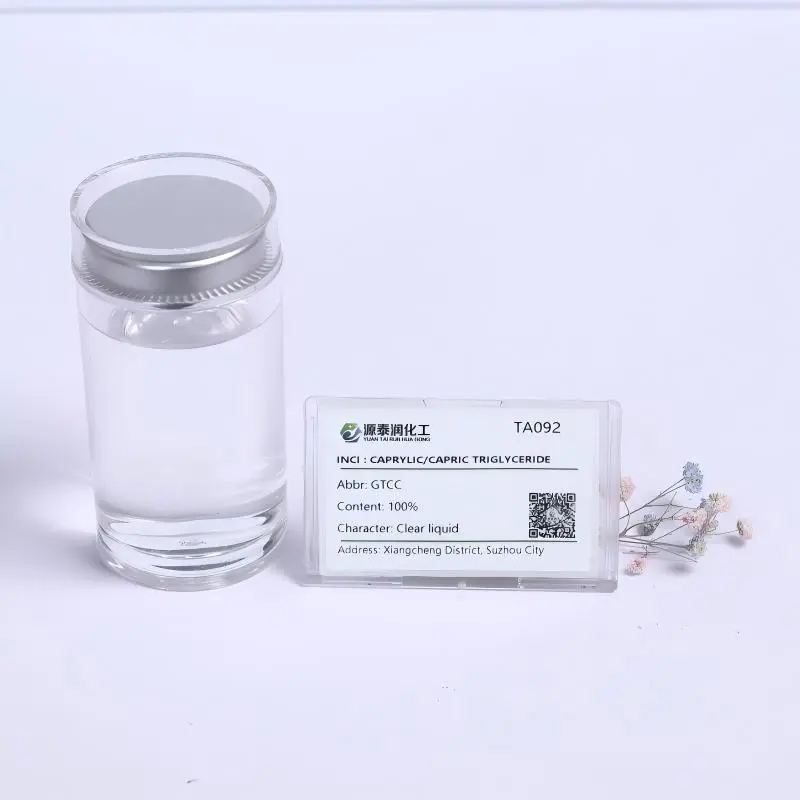
Caprylic/Capric Triglyceride

Caprylic/Capric Triglyceride Multifunctional Solvents Moisturizing Agent Base Oil for Creams Emulsions and Makeup Removers CAS: 65381-09-1

EDTA Disodium

Chelating Agent Disodium Edetate Dihydrate EDTA for Detergents and Food Additives Daily Chemicals Raw Materials 6381-92-6

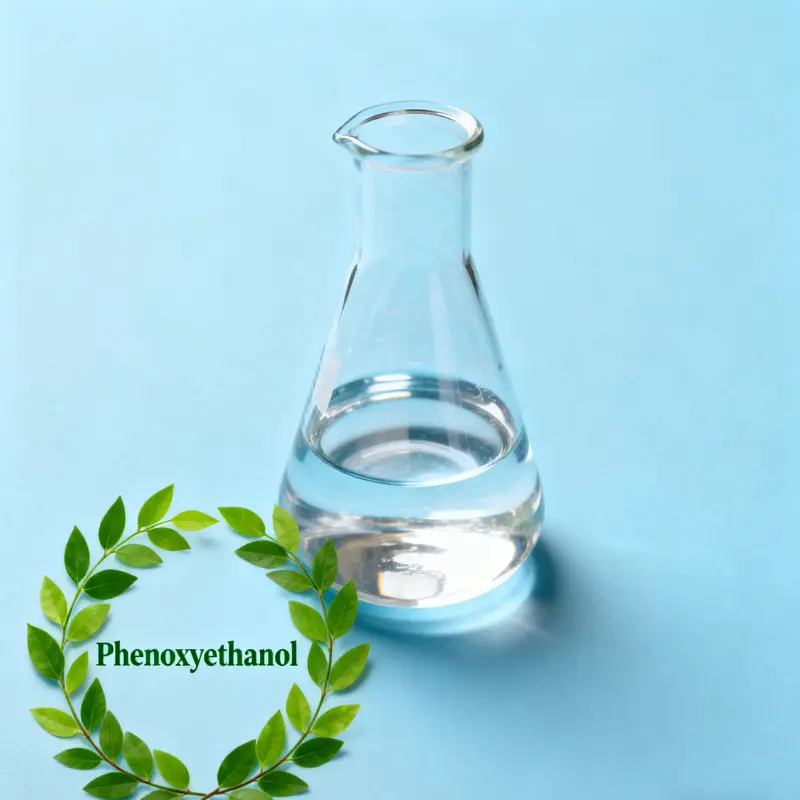
Phenoxyethanol

Cosmetic Grade & Industrial Grade Phenoxyethanol 2-Phenoxyethanol 99.9% Preservative Solvent for Cosmetics & Industry CAS 122-99-6

EGDS Pearlescent Agent

Ethylene Glycol Price EGDS Pearlescent Agent for Pearlescent in Body Care As Shower Gel and Shampoo

Industrial Application Blueprints

Formulation Solutions & Case Studies

Discover how Suzhou Yuantairun Chemical solves application challenges across personal care, home care, and industrial cleaning sectors with high-performance surfactant systems.

Gentle Amino Acid Facial Cleanser

ECOCERT Standard
Personal Care (Facial Cleansers, Body Wash)

Challenge: Developing high-foaming cleansers optimized for sensitive, acne-prone, or post-procedure skin without causing erythema or barrier damage.

Solution: Formulations combine Sodium Cocoyl Glutamate and Sodium Lauroyl Sarcosinate for ultra-mild cleansing. The addition of Disodium Laureth Sulfosuccinate (DLS 30%) builds thick, creamy foam, stabilizing bubble structure while lowering skin irritation. Ideal for sensitive skin formulations requiring natural amino acid-based claims.

Facial Cleanser Application
Key Ingredients: Sodium Cocoyl Glutamate, Sodium Lauroyl Sarcosinate, DLS 30%

Eco-Friendly Laundry Detergent

Bio-based Systems
Home Care (Laundry & Hard Surface Cleaners)

Challenge: Balancing cleaning efficiency in cold water while conforming to eco-label certifications and minimizing environmental toxicity.

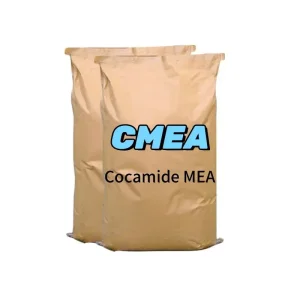
Solution: SLES and AOS form the primary surfactant core for heavy stain removal. We integrate Cocamide MEA (CMEA) as a bio-derived thickener and foam builder. This synergy maintains strong cleaning performance and optimal viscosity while reducing skin irritation, creating a mild formulation that complies with international environmental standards.

Washing Powder Application
Key Ingredients: SLES, AOS, Cocamide MEA (CMEA)

Concentrated Fabric Softeners

Anti-Static Performance
Textile & Fabric Care

Challenge: Improving fabric fluffiness, color retention, and anti-static control in cost-effective, high-dilution concentrates.

Solution: Utilizing Cetrimonium Chloride (1631 70) and Ester Quaternary Ammonium Salts. This formulation neutralizes surface charges on fabric fibers, reducing static and friction. The highly concentrated liquid base reduces packaging and shipping costs, supporting green manufacturing practices.

Fabric Softener Application
Key Ingredients: Cetrimonium Chloride, Ester Quats, Fragrance Solubilizers

High-Foaming Clean Beauty Shower Gels

Sulfate-Free Foaming
Personal Care (Shampoos, Body Washes)

Challenge: Stabilizing foam quantity and creaminess in a sulfate-free personal care formula without using synthetic polymeric additives.

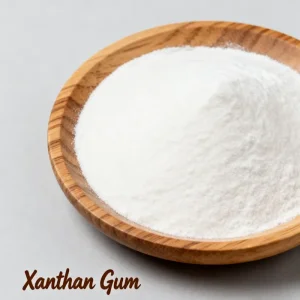
Solution: Formulators combine amphoteric Cocamidopropyl Betaine (CAB-35) with non-ionic Lauryl Glucoside (APG1214) to build a stable surfactant base. Adding Xanthan Gum improves formula suspension and viscosity, creating a luxurious body wash that rinses cleanly without leaving a heavy film on the skin.

Shower Gel Application
Key Ingredients: CAB-35, Lauryl Glucoside, Xanthan Gum, DLS 30%

Heavy-Duty Industrial Degreasing Agents

Extreme Lipophilic Removal
Industrial Cleaning (Machinery, Vehicle Oil Removal)

Challenge: Emulsifying and breaking down heavy grease and fuel oils in high-salinity or variable-temperature industrial environments.

Solution: A synergistic system containing Linear Alkylbenzene Sulfonate (LAS), Ethylene Glycol Distearate (EGDS), and Alkaline Lipase. This surfactant-enzyme combination targets and hydrolyzes tough hydrophobic lipids, converting them into water-soluble residues. The highly concentrated formulation supports dilutable wash cycles, offering cost savings and reducing wastewater treatment loads.

Degreaser Application
Key Ingredients: LAS, EGDS, Auxiliary Nonionics, Alkaline Lipase

Tailored Product Solutions & Customization

We provide chemical formulation and packaging services tailored to your specific application requirements, ensuring performance, stability, and regulatory compliance.

Shampoo & shower gel Customized service

Shampoo & Shower Gel Customization

We customize surfactant systems to your specific application scenarios—including hotels, hair salons, and consumer retail markets. We offer tailored viscosity, foam volume, conditioning performance, and variable packaging sizes.

Laundry Detergent

Laundry Detergent Formulation

Offering custom options for scent profiles, viscosity adjustments, concentrated structures, and eco-friendly raw material bases. Formulations can be optimized for high-efficiency (HE) machines or specific regional water hardness conditions.

Hand washing

Hand Wash Customization

Formulating mild, anti-bacterial, or moisturizing hand washes for public facilities, shopping centers, restaurants, and retail brands. Custom packaging options range from bulk drums to retail dispenser bottles.

Global Chemical Raw Material Supplier

Suzhou Yuantairun Chemical Co., Ltd.

Founded in 2010, Suzhou Yuantairun Chemical Co., Ltd. has established itself as an industry leader in manufacturing and distributing daily chemical raw materials. Our chemical catalog includes amino acid-based surfactants, mild sulfosuccinates, amine oxides, ester quats, specialty emollients, and green preservatives. We support customers through all stages of production, from raw material procurement to custom formulation design and logistics optimization.

Our commitment to green chemistry and high product standards guarantees that all batches are manufactured in facilities under strict quality controls. We collaborate with over 7,000 global cooperative partners, including cosmetics brands, contract manufacturers (OEM/ODM), and industrial compounders. Our technical support services, on-site laboratories, and supply chain solutions enable clients to accelerate product launches and optimize manufacturing costs.

2010
Founded In
7000+
Partners
YuantaiRun R&D Center YuantaiRun Factory Facility Quality Analysis Lab

One-stop Services

We provide a comprehensive selection of cosmetic and detergent chemicals, helping simplify procurement, shipping, and quality assurance processes.

R&D Support

Our dedicated laboratories offer technical guidance, performance testing, and customized OEM/ODM formulation services to meet your design goals.

Competitive Pricing

Our manufacturing and processing efficiencies allow us to offer competitive pricing on high-quality ingredients, supporting margins for bulk buyers.

Reliable Delivery

We maintain inventory buffers and work with global logistics networks to ensure reliable product deliveries for continuous production cycles.

Technical Roadmap & Future Outlook

4. Synthetics Transition and Green Chemistry Evolution

The manufacturing roadmap for Disodium Laureth Sulfosuccinate is evolving to align with green chemistry principles. The traditional synthesis route relies on petroleum-derived ethylene oxide (EO) for the ethoxylation step. The industry is currently transitioning toward 100% bio-based ethoxylation, utilizing ethylene oxide derived from bio-ethanol. This approach preserves the surfactant's performance characteristics while significantly reducing its net carbon footprint.

Furthermore, advances in catalyst technologies are improving reaction selectivity during maleic anhydride esterification. This minimizes the formation of undesirable diester byproducts, which can compromise formula clarity and stability. Additionally, modern vacuum-stripping systems have made it possible to consistently produce raw materials with low levels of free 1,4-dioxane, addressing strict consumer safety regulations in key global markets.

"By replacing traditional petroleum-based intermediates with bio-derived EO, surfactant manufacturers can reduce the environmental footprint of their materials. This enables personal care brands to formulate products that meet both high performance standards and consumer sustainability expectations."

At Suzhou Yuantairun Chemical, our ongoing research targets two key goals: developing preservative-free surfactant systems with high microbiological stability, and optimizing cold-process surfactant matrices that reduce energy requirements during blending. These initiatives help our partners meet their environmental targets while maintaining cost efficiency.

Technical Consultation Desk

Frequently Asked Questions (FAQ)

Find answers to common questions about formulating with Disodium Laureth Sulfosuccinate 30% Liquid.

Is Disodium Laureth Sulfosuccinate (DLS) classified as a sulfate?
No, Disodium Laureth Sulfosuccinate is not a sulfate. Chemically, it is a sulfosuccinate monoester, which contains a sulfonate group covalently bonded to a succinic acid backbone rather than a sulfate group. This structure makes it highly suitable for formulations marketed with "sulfate-free" claims.
How does the 30% liquid concentration perform at low temperatures?
At 30% concentration, DLS is an aqueous liquid. If exposed to temperatures below 15°C, it may exhibit slight cloudiness or haze due to crystallization. This is a reversible phase change; warming the container slightly with gentle agitation restores clarity and has no impact on surfactant performance or chemical stability.
What is the optimal pH range for formulating with DLS 30%?
The optimal pH range is 5.5 to 7.0. Because the molecule contains an ester linkage, formulating at extreme pH levels (below 5.0 or above 8.0) can accelerate hydrolysis, leading to a loss of foaming performance and potential separation. Using a buffer system is recommended to keep the final product pH stable.
Can DLS 30% be formulated alongside cationic conditioning polymers?
Yes. Due to its ethoxy chains and low charge density, DLS has excellent compatibility with cationic conditioners like Polyquaternium-7, Polyquaternium-10, and Guar Hydroxypropyltrimonium Chloride. It forms stable coacervates during dilution, which enhances conditioning performance on hair and skin.
What are the typical levels of trace 1,4-dioxane in your products?
Our manufacturing processes include high-vacuum stripping steps that consistently limit 1,4-dioxane levels to under 10 ppm. This makes our products compliant with EU REACH standards and California's Proposition 65 requirements. We provide batch-specific Certificates of Analysis (COA) to verify these purity levels.
How can I increase the viscosity of a formulation based on DLS?
Unlike traditional alkyl ether sulfates, sulfosuccinates do not thicken readily with sodium chloride alone. To adjust viscosity, we recommend using amphoteric co-surfactants (like Cocamidopropyl Betaine), non-ionic thickeners (such as Cocamide MEA or PEG-120 Methyl Glucose Dioleate), or polymeric thickeners (like Xanthan Gum or Acrylates Copolymer).
What is the biodegradable profile of Disodium Laureth Sulfosuccinate?
DLS is readily biodegradable under OECD 301B testing standards. It breaks down quickly and completely in wastewater treatment plants, leaving no bioaccumulative residues. This makes it an ideal choice for green formulations and eco-certified consumer products.

Ready to Optimize Your Formulation Performance?

Contact our technical sales team to request product samples, receive custom formulation support, or get detailed bulk export pricing for your operations.

Submit Technical Inquiry

Industrial Insights & Market Updates

Stay informed with technical bulletins and industry updates from our R&D department.

March 06, 2026

Runtec® SCI85: High-Purity Mild Anionic Surfactant

Explore formulations utilizing Runtec® SCI85 (Sodium Cocoyl Isethionate). This high-active, low-irritation surfactant provides a clean, refreshing sensory profile for solid cleansing bars and facial washes.

February 02, 2026

Runtec® SCA-30: Sodium Cocoyl Alaninate

A technical guide to formulating with Runtec® SCA-30, an amino acid surfactant that maintains foaming performance in the presence of oils. Ideal for scalp therapies and conditioning shampoos.

January 31, 2026

Cetyl Ethylhexanoate: Sea-Bird Feather Oil Alternative

A study of ester-based emollients, focusing on Cetyl Ethylhexanoate. Learn how it acts as a lightweight moisturizer with high pigment dispersion properties for skin care and color cosmetics.