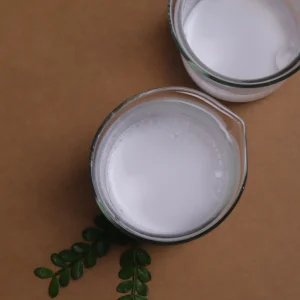
Explore our core selection of certified cosmetic and industrial-grade anionic surfactants, composite preservatives, and specialty foam boosters.
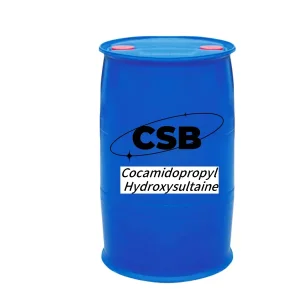
Understanding market dynamics, chemical configurations, and cost efficiency in contemporary chemical synthesis.
Anionic surfactants represent the largest volume of surface-active agents consumed globally. Characterized by a negatively charged hydrophilic polar head group (such as carboxylate, sulfonate, sulfate, or phosphate) linked to a hydrophobic hydrocarbon tail, these compounds are critical in lowering interfacial tension. The thermodynamic drive to form micelles in aqueous solutions makes them highly effective in solubilizing oily soils and generating stable foam.
Historically, linear alkylbenzene sulfonate (LAS) and sodium lauryl ether sulfate (SLES) have dominated the commercial landscape due to their high performance-to-cost ratio. However, global shifts toward sustainable chemical processing have accelerated the adoption of natural, oleochemically derived anionic surfactants, such as sodium cocoyl glutamate, sodium lauroyl sarcosinate, and disodium lauryl sulfosuccinate. These green alternatives match conventional options in functionality while addressing consumer demand for skin-mild and biodegradable solutions.
Procuring chemical intermediates from Chinese manufacturing centers offers structural cost-efficiencies. This advantage is rooted in integrated raw material supply chains, localized synthetic processing plants, and advanced automation, rather than just lower labor costs.
Suzhou Yuantairun Chemical Co., Ltd. delivers high-performance surfactant chemistry aligned with global compliance systems.
Yuantairun bridges the gap between cost efficiency and technical performance. By implementing rigorous quality assurance protocols and utilizing modern testing equipment (including Gas Chromatography-Mass Spectrometry and High-Performance Liquid Chromatography), we ensure batch-to-batch consistency.
Our R&D laboratories design customized amphoteric, anionic, and nonionic surfactant blends. These systems are optimized for specific parameters, including critical micelle concentration (CMC), foam height, wetting time, and viscosity response, helping formulators streamline their development cycles.
Comprehensive access to anionic, non-ionic, amphoteric, and cationic surfactant chemistries.
Custom synthesis, analytical characterization, and formulation adjustment services.
Optimized production paths and direct bulk shipping agreements reduce per-kilogram costs.
Global warehousing networks support secure, on-demand supply chain operations.
Anionic surfactants are critical for performance in home care, cosmetic, and heavy industrial applications.
Application: High-Efficiency Cleaners & Eco-Friendly Detergents.
Target Compounds: Sodium Laureth Sulfate (SLES) & Sodium Alpha-Olefin Sulfonate (AOS).
Chemistry Insight: Delivers rapid wetting and oil emulsification in varied water hardness, stabilizing foam profiles in both top-load and high-efficiency washing machines.
Application: Mild Facial Cleansers, Shampoos, & Baby Washes.
Target Compounds: Sodium Cocoyl Glutamate, Sodium Lauroyl Sarcosinate.
Chemistry Insight: Naturally derived amino acid surfactants maintain a skin-friendly pH and lower irritation, leaving hair soft and skin moisturized.
Application: Mechanical, Automotive, & Metals Cleaning.
Target Compounds: Linear Alkylbenzene Sulfonic Acid (LABSA) & Glycol Distearate.
Chemistry Insight: Lowers surface tension quickly to clean heavy greases and metalworking residues in high-alkalinity formulations.
Combining anionic surfactants with other surface-active agents is key to maximizing performance and efficiency.
While anionic surfactants provide primary detergency and foaming, they can sometimes cause skin dryness or be sensitive to hard water. To address this, modern formulations pair them with amphoteric and nonionic surfactants to build synergistic micellar systems.
Mixing an anionic surfactant (like SLES) with an amphoteric co-surfactant (like Cocamidopropyl Betaine, CAB-35) forms mixed micelles. This structures the surfactant system, reducing the irritation potential of the anionic monomer and increasing viscosity. The resulting foam is creamier and more stable.
Pairing anionic surfactants with Alkyl Polyglucosides (APGs, such as APG0810 or Cocoyl Glucoside) improves hard-water tolerance. The nonionic headgroups screen the charge repulsion between anionic headgroups, lowering the critical micelle concentration (CMC) and increasing overall cleaning efficiency.
The surfactant industry is moving toward bio-based feedstocks, zero-waste processing, and strict regulatory compliance.
There is a growing shift from petroleum-derived olefins to renewable fatty acids sourced from coconut, palm kernel, and domestic oilseed crops. These bio-based options reduce greenhouse gas emissions across the product life cycle.
To address consumer preferences for gentle personal care products, brands are replacing alkyl sulfates (like SLS/SLES) with milder sulfosuccinates, taurates, sarcosinates, and glutamates in their formulations.
Products must comply with changing global standards, including REACH in the EU, the Cosmetic Regulation (EC) No 1223/2009, and strict limits on trace elements like free ethylene oxide and 1,4-dioxane.
Get in touch with our technical sales team for COA and MSDS documentation, customized formulations, or direct bulk shipping quotes.
Request Technical Data SheetsCommon technical and procurement queries regarding bulk anionic surfactants, manufacturing standards, and supply chain logistics.
Explore our additional range of specialized raw materials, including gentle paste-form surfactants, thickeners, and pH-adjusting agents.