
Premium raw materials engineered for cosmetics, personal care, and high-performance industrial formulations.
A comprehensive technical overview of rheological agents and functional polymeric binders.
Water-based thickeners (or rheology modifiers) constitute the fundamental backbone of stable aqueous formulations. In daily chemicals, personal care, and paint formulations, controlling the physical flow behavior is crucial for cosmetic shelf life, sensory perception, and spatial distribution of active ingredients. Modern thickeners are broadly classified into associative and non-associative systems.
Non-associative thickeners, such as alkali-soluble emulsions (ASE) and high-molecular-weight cellulosic polymers (e.g., Polyquaternium-10), operate via hydrodynamic volume expansion. Upon neutralization, these polymers unfold, creating an extensive entangled network that physically traps water molecules. This mechanism provides exceptional vertical stability and suspension capabilities, essential for heavy industrial formulations.
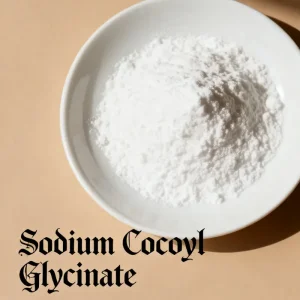
Associative thickeners (e.g., hydrophobically modified alkali-swellable emulsions, HASE, and hydrophobically modified ethoxylated urethanes, HEUR) interact directly with the formulation components. These molecules contain hydrophilic backbones capped with hydrophobic segments that aggregate with surfactant micelles (such as Sodium Cocoyl Glutamate and CAB-35) and hydrophobic emulsion particles.
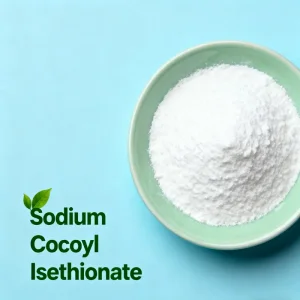
This dynamic network yields highly tailored flow profiles, ranging from Newtonian behavior in paints to pseudoplastic (shear-thinning) profiles in hair and skin formulations. Utilizing high-active raw ingredients like Runtec® SCI85 allows formulators to modify the interface tension, aligning viscosity control with rich sensory textures.
Direct manufacturing capacity, reliable material pipelines, and optimized logistical channels.
Operating from Suzhou, China's high-tech chemical manufacturing belt, Suzhou Yuantairun Chemical Co., Ltd. benefits from fully integrated upstream raw material supply chains. By maintaining close proximity to domestic acrylic acid, ethylene oxide, and fatty alcohol processing units, we ensure stable monomer procurement and cost resilience against global market fluctuations.
Our ISO-certified manufacturing facilities employ digital process controls to regulate polymerization. This strict regulation ensures tight molecular weight distributions across our polymer series, including Aqueous Polyurethane Dispersion (Polyurethane-10) and Sodium Polyacrylate, which are critical for consistency in multi-phase emulsions.
We proactively address international regulatory demands. We supply REACH-approved grades (such as our high-purity Sodium Cocoyl Glutamate 95% Powder) and offer fully compliant documentation (SDS under GHS guidelines, heavy metal assays, and residual monomer compliance certificates) to ensure trouble-free customs clearances in Europe, North America, and APAC.
A quick-reference guide for aligning surfactant classes with suitable viscosity modifiers.
| Thickener Type | Typical Chemical Family | Ideal pH Range | Surfactant System Compatibility | Primary Viscosity Mechanism |
|---|---|---|---|---|
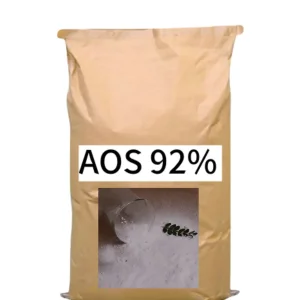
| Alkali-Swellable Emulsions (ASE) | Acrylic / Methacrylic Acid Copolymer | 6.5 - 12.0 | Anionic (SLES, AOS 92%, LAS) | Hydrodynamic volume expansion (Neutralization) |
| HASE Polymers | Hydrophobically Modified Polyacrylates | 6.0 - 11.0 | Amphoteric (CAB-35) / Anionic Blends | Associative network & micellar association |
| HEUR (Polyurethane) | PEG / Diisocyanate / Hydrophobic Capped | 2.0 - 12.0 | Non-ionic (APG0810) & Amino Acid Cleansers | Hydrophobic association (Independent of pH) |
| Cellulosics (HEC / PQ-10) | Modified Cellulose Backbones | 3.0 - 9.0 | Cationic / Amino Acid Surfactants | Polymer chain entanglement (Water binding) |
| Natural Gums (Xanthan) | Polysaccharide biopolymers | 3.0 - 11.0 | Sulfate-free / Bio-surfactant Systems | Physical water trapping & structural gel network |
Providing customized raw materials and application support to streamline your brand's development.
We tailor performance profiles for specific target markets (e.g., hotels, barbershops, or retail). Our service includes adjusting foaming heights, customizing active matter percentages, and altering conditioning factors to meet specific budgets.
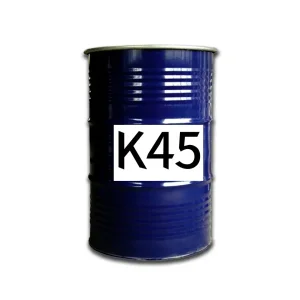
We assist brands in moving away from high-VOC solvent systems. Our customizable laundry formulations integrate high-purity Sodium Polyacrylate (PAAS K45) to prevent dirt redeposition and optimize flow behavior in cold-water conditions.
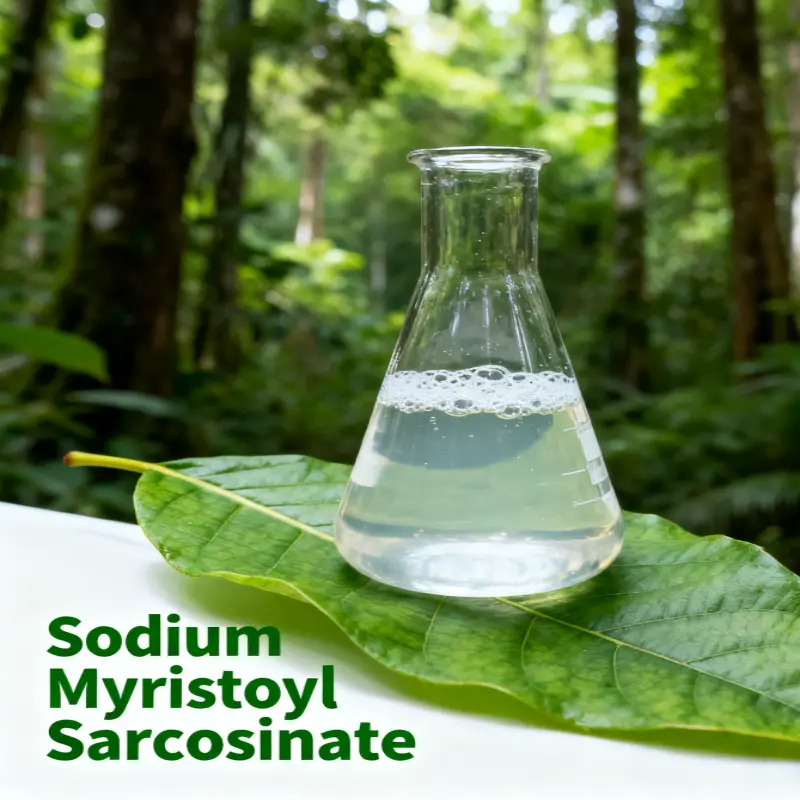
Designed for shopping malls, restaurants, and professional washroom systems. We leverage mild, sulfate-free amino acid surfactants like Sodium Myristoyl Sarcosinate to deliver rich lather and gentle skin feel.
Access a broad catalog of surfactants, rheology modifiers, preservatives, and moisturizers from a single supplier.
Collaborate on OEM/ODM development. Evaluate formulation stability under real-world temperature variations.
Optimize your raw material budget with bulk pricing models directly from our domestic chemical units.
Rely on our structured logistical pathways to align container dispatches with your factory's production schedule.
How our technical materials integrate into diverse household and personal care products.
Thickening pure amino acid surfactants (such as Sodium Cocoyl Glutamate and Sodium Lauroyl Sarcosinate) can be challenging because they do not form elongated micelles in the presence of simple salts. Traditional sodium chloride thickening is ineffective.
To address this, we recommend formulating with Polyquaternium-10 (PQ-10) or an associative Aqueous Polyurethane Dispersion (Polyurethane-10). These polymers interact with the surfactant headgroups, creating a stable, shear-thinning system that provides high viscosity at rest and a smooth skin feel upon dispensing.
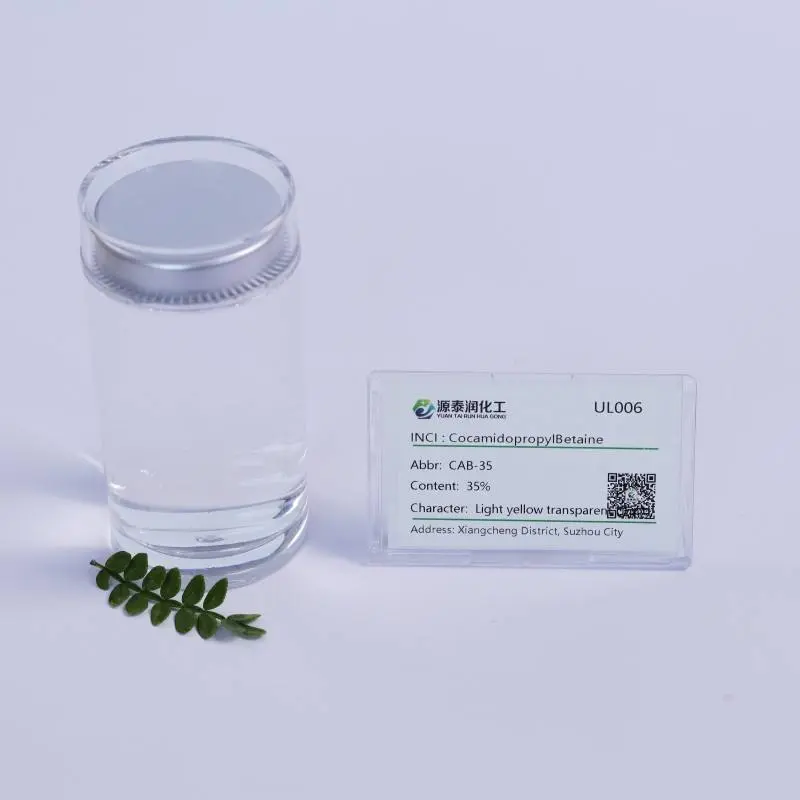
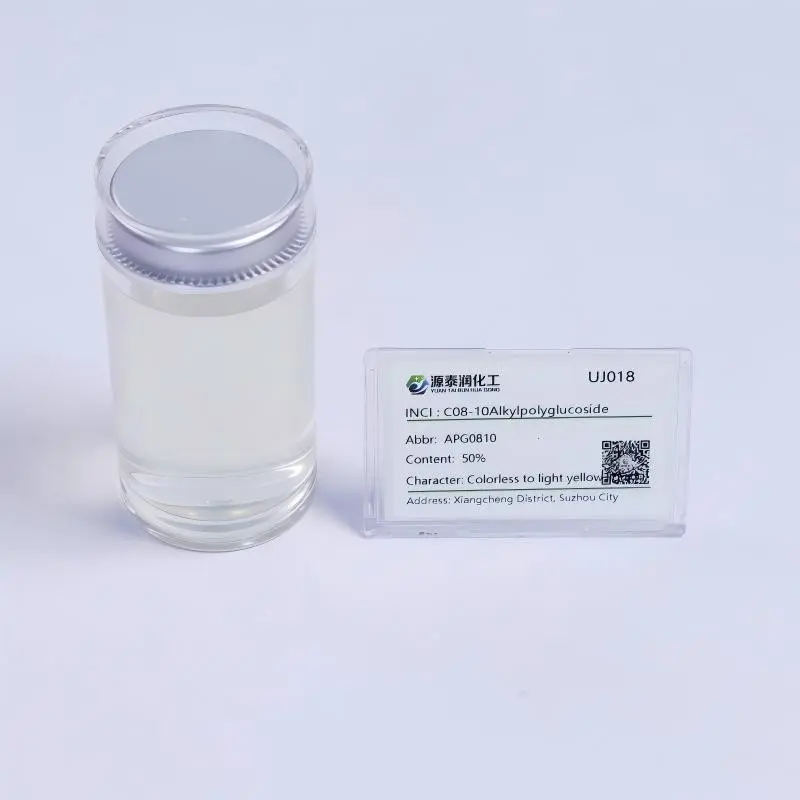
Developing clear cleansing systems requires balancing foam performance and formula stability. Blending amphoteric CAB-35 (Cocamidopropyl Betaine) and non-ionic APG1214 (Lauryl Glucoside) yields a mild surfactant base that produces a dense, rich lather.
Incorporating a minor fraction of a specialized HASE copolymer or Xanthan Gum thickener stabilizes the emulsion without suppressing bubble volume. This approach prevents phase separation and maintains formula clarity, even when stored across varying temperatures.
Fabric softeners containing cationic surfactants, such as Cetrimonium Chloride (1631 70), require specialized viscosity control agent selection. Anionic polyacrylates will precipitate out of solution due to charge-charge interactions, resulting in formula separation.
Formulators should utilize non-ionic cellulosics or cationic thickeners that provide steric stabilization. These polymers prevent the cationic droplets from coalescing, ensuring stable viscosity and uniform softening performance throughout the shelf life of the concentrate.
Industrial degreasers formulated with high alkaline builders (such as silicates and hydroxides) and anionic surfactants like LAS (Linear Alkylbenzene Sulfonate) need robust stabilizers. The high electrolyte concentrations can cause standard polymers to salt out.
Using low-molecular-weight Sodium Polyacrylate (PAAS CAS 9003-04-7) helps disperse inorganic builders and prevents soil redeposition. For pearlescent liquid products, adding Ethylene Glycol Distearate (EGDS) provides a stable, uniform visual appearance while maintaining flow behavior.
Our top-selling functional ingredients, surfactants, and preservatives for modern personal care.
Key developments shaping the future of global chemical formulations.
Global regulatory bodies are tightening restrictions on microplastics and synthetic polymers. Formulators are transitioning away from traditional cross-linked polyacrylic acids toward bio-based thickeners, such as modified celluloses, starch derivatives, and fermentation-derived gums.
Yuantairun is addressing this demand by expanding our line of bio-compatible stabilizers. These options help brands formulate eco-friendly personal care products without compromising physical stability or sensory quality.
With rising energy costs, manufacturers are prioritizing cold-processable raw materials. Traditional solid thickeners require hot water hydration cycles, consuming substantial thermal energy.
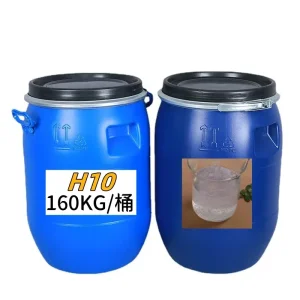
Liquid associative thickeners, such as our HASE series and Aqueous Polyurethane Dispersions, can be post-added directly to formulations at room temperature. This approach cuts energy usage, shortens batch times, and increases factory throughput.
Expert solutions for common challenges in thickening aqueous and surfactant systems.
Stay up to date with our research team's latest surfactant innovations and product developments.
Runtec® SCI85 is a mild anionic surfactant with high active matter content. It is designed to enhance lather creaminess and leave a gentle feel in premium facial and body cleansers.
Runtec® SCA-30 (Sodium Cocoyl Alaninate) is an amino acid surfactant that retains excellent foaming performance even in the presence of oils, making it ideal for sebum-control shampoos.
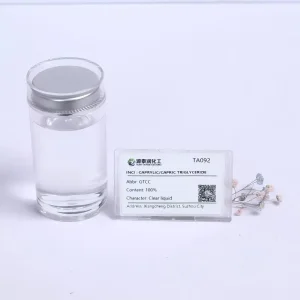
An emollient designed to mimic seabird feather oil. It offers excellent spreadability, low tackiness, and helps disperse physical UV filters in sun care formulations.
Explore our additional chemical additives, specialized surfactants, and functional emulsifiers.

Our formulation laboratory can assist you in evaluating rheological profiles, assessing surfactant compatibility, and resolving product stability challenges.
Contact Our Engineers