High-performance cationic formulations optimized for conditioning, sanitization, and emulsification in global industrial sectors.
Indonesia stands at the epicenter of the global oleochemical supply chain. As the world’s leading producer of crude palm oil (CPO) and palm kernel oil (PKO), the archipelago offers unparalleled raw material stability for downstream specialty chemical synthesis. Cationic surfactants, which typically rely on lipophilic carbon chains derived from natural fatty acids, benefit immensely from this geographical and structural alignment. By integrating manufacturing pipelines directly with local Indonesian plantations and refining facilities, manufacturers minimize transit latency, avoid crude feedstock price volatility, and deliver highly competitive, bio-based chemical intermediates to international buyers.
The industrial landscape in Indonesia is undergoing a major transition from raw agricultural exports to high-value chemical processing. Special economic zones (SEZs) near deep-water ports, such as Dumai, Cilegon, and Medan, host advanced alkoxylation, amination, and quaternization plants. These chemical units transform fundamental fatty nitrogen compounds into quaternary ammonium compounds (QACs) such as Alkyl Dimethyl Benzyl Ammonium Chloride (BKC/DDBAC), Cetrimonium Chloride (1631), and polymeric conditioning agents (Polyquaternium series).
Sourcing directly from these clusters optimizes shipping logistics across Asia-Pacific, Europe, and the Americas. Rather than shipping raw palm oil to remote processing sites and subsequently re-exporting finished surfactants, regional manufacturing hubs deliver processed surfactants directly, removing redundant carbon footprint steps and minimizing overall processing costs.
Modern procurement officers operate under demanding regulatory frameworks. In North America and the European Union, the transition toward the EU Deforestation Regulation (EUDR) requires complete traceability of palm-derived products back to their plot of origin. Consequently, cationic surfactant manufacturers in Indonesia must incorporate strict RSPO (Roundtable on Sustainable Palm Oil) mass-balance and segregation chains into their sourcing platforms.
Beyond sustainability, technical consistency is paramount. Cationic surfactants serve as critical components in sanitizers, anti-static fabric softeners, hair conditioners, and asphalt emulsifiers. Minor variations in active ingredient levels or free amine concentrations can destabilize complex emulsions. Thus, robust quality management practices—supported by advanced gas chromatography (GC) and high-performance liquid chromatography (HPLC)—are mandatory requirements for any Indonesian exporter seeking international viability.
Operating a chemical export hub in Southeast Asia requires navigating complex localized regulatory frameworks. Key factors include:
Get certified technical datasheets (TDS), safety datasheets (SDS), and custom pricing matrices directly from our production site.
Request Free SamplesDeveloping next-generation cationic compounds with reduced environmental toxicity and enhanced performance profiles.
Offering high-concentration pastes and powders (up to 95% active content) to reduce global shipping volumes and optimize carbon footprints.
Engineering modified cationic linkages that break down rapidly in municipal wastewater systems, resolving eco-toxicity challenges.
Adjusting alkyl chain lengths (C12 to C18) to modify foaming, biocidal efficacy, and adsorption qualities for specific applications.
Explore our complete range of high-quality anionic, cationic, amphoteric, and nonionic surfactants, developed in partnership with leading global chemical processors.



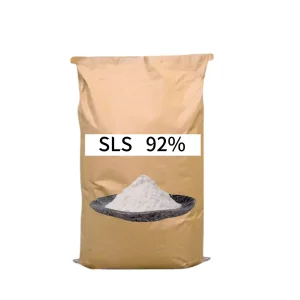
Explore auxiliary additives, chelators, and organic compounds designed to protect and stabilize your finished products.
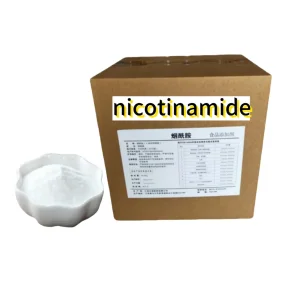
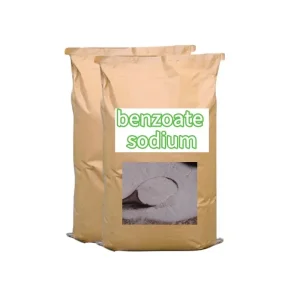
Established in 2010, Suzhou Yuantairun Chemical Co., Ltd. (YTR) has positioned itself as a major one-stop supplier in the daily chemical raw materials space. Partnering with localized supply chains across China and Indonesia, YTR is committed to delivering highly customized, sustainable chemical solutions. Our products are sourced from well-managed, sustainable resources, ensuring that global brands can confidently develop formulations that meet modern ecolabel regulations.
YTR excels in providing full supply chain transparency. From initial custom R&D trials in our laboratory environments to bulk transport via flexitanks and IBC totes, we support our clients with comprehensive compliance documentation, including certificates of analysis (COA), safety data sheets (SDS) matching target market regulations, and full trace certificates.
Understanding that every formulations laboratory requires distinct rheological profiles and active substance concentrations, YTR offers a comprehensive range of custom adjustments:

Answers to common questions regarding cationic surfactants, logistical routes from Indonesia, and sustainable procurement.
BKC/DDBAC (CAS 139-07-1) is a nitrogen-based cationic surfactant widely used as a biocide, disinfectant, and phase transfer catalyst. In water treatment systems, it acts as an effective algaecide. In personal care, it serves as a preservative and conditioning agent. Due to its positive charge, it binds easily to negatively charged biological membranes, disrupting cellular walls and providing strong antimicrobial activity.
Polyquaternium-7 is a synthetic copolymer of acrylamide and diallyldimethylammonium chloride, providing excellent slip and wet-combing properties in surfactant systems like shampoos. Polyquaternium-10 is a cationic hydroxyethyl cellulose derivative. It is highly valued in transparent shampoo systems for its superior substantivity, forming a uniform film on the hair shaft that improves curl retention and reduces static charge.
Yes. In partnership with our localized processors in Indonesia, we offer RSPO Mass Balance (MB) and segregated surfactant grades. Under our strict sourcing protocol, raw palm oil and palm kernel oil are traceable back to non-deforested plantations, ensuring complete alignment with the European Union Deforestation Regulation (EUDR).
Typically, shipments originating from main ports like Jakarta (Tanjung Priok) or Surabaya (Tanjung Perak) take 2 to 3 weeks for East Asian destinations, and 4 to 6 weeks for Western European and North American ports. We provide full container load (FCL) shipping, consolidation services, and just-in-time delivery support for long-term contract partners.