Direct from Factory: Advanced materials optimized for viscosity, rheology control, and surface charge modification in North American formulations.
The Greater Toronto Area (GTA) and the broader Southern Ontario industrial corridor represent one of North America's most complex chemical processing and manufacturing ecosystems. For industries leveraging cationic chemistry, the Toronto market demands high-purity raw materials capable of meeting strict regulatory benchmarks and performing under challenging climatic conditions.
With major manufacturing plants located in Mississauga, Brampton, Vaughan, and Scarborough, the regional demand spans multiple sectors: cosmetic formulation, industrial sanitation, textile processing, wastewater treatment, and polymer synthesis. The local supply chain is characterized by a transition toward green formulations, requiring manufacturers to supply high-efficacy quaternary ammonium compounds and polymeric conditioners that align with Environmental and Climate Change Canada (ECCC) policies.
Suzhou Yuantairun Chemical Co., Ltd. serves as a key global factory link to this market, bridging the gap between high-capacity manufacturing efficiency and the localized requirements of Toronto's R&D labs and production plants. Our logistics infrastructure is optimized for rapid container transit to the Port of Montreal, followed by rail connection directly into the Toronto rail yards, ensuring consistent inventory control for high-volume users.

Enabling sustainable chemical sourcing across 70+ countries with verified quality standards.
An in-depth review of molecular charge distribution, electrostatic affinity, and sustainable green chemistry routes.
Cationic surfactants are characterized by a hydrophilic head group carrying a net positive charge, typically structured around a quaternary nitrogen atom. Unlike anionic or nonionic surfactants, their primary commercial utility is not simply soil suspension, but surface adsorption. In aqueous solution, the positive head group selectively binds to negatively charged substrates, including keratinous fibers (hair and skin), cellulose (paper and cotton), silica, and bacterial cell membranes.
This electrostatic deposition changes the surface energy of the substrate, delivering key benefits such as friction reduction, anti-static performance, hydrophobic barrier creation, and antimicrobial action. Products like Dodecyl Dimethyl Benzyl Ammonium Chloride (BKC/DDBAC) disrupt the phospholipid bilayer of Gram-negative and Gram-positive bacteria, acting as a highly effective biocide widely used in sanitizing formulations across Ontario's food processing plants.
In personal care formulation, achieving structural stability without compromising skin mildness is a persistent challenge. Formulators in Toronto's premium cosmetic labs rely heavily on co-surfactants and thickeners to structure cleansing systems. While anionic surfactants provide primary cleansing and foaming, auxiliary agents such as Cocamide DEA (CDEA) and Coconut Methyl Monoethanolamide (CMMEA) act as powerful viscosity builders and foam stabilizers. These non-ionic and amphoteric molecules nest within the micelle structure of the primary surfactant, reducing electrostatic repulsion between anionic head groups and promoting the transition from spherical to worm-like micelles, which dramatically increases formulation viscosity.
Engineered raw materials for cosmetic, industrial, and institutional applications.
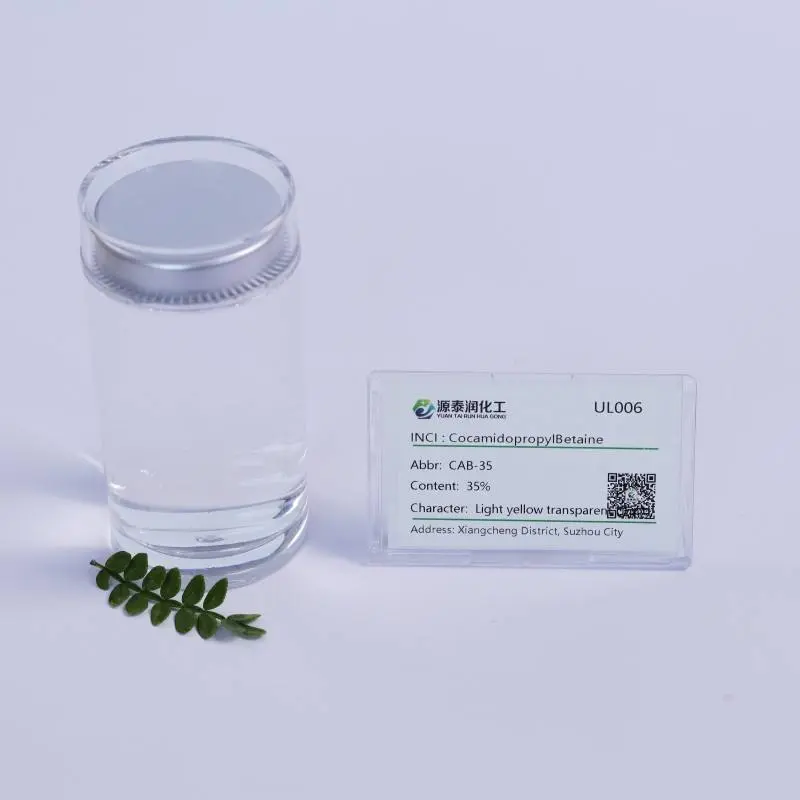
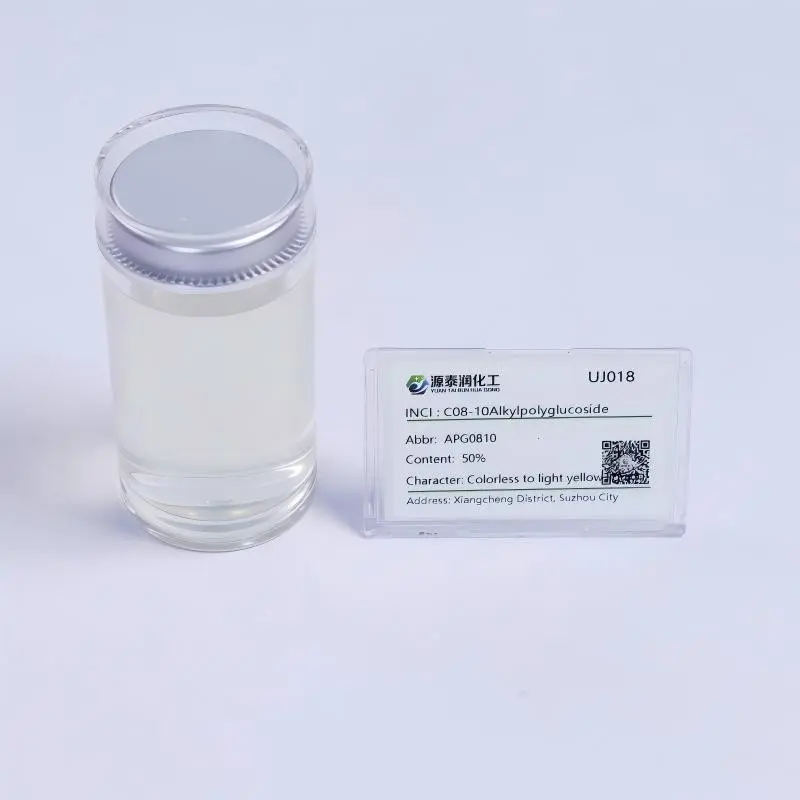
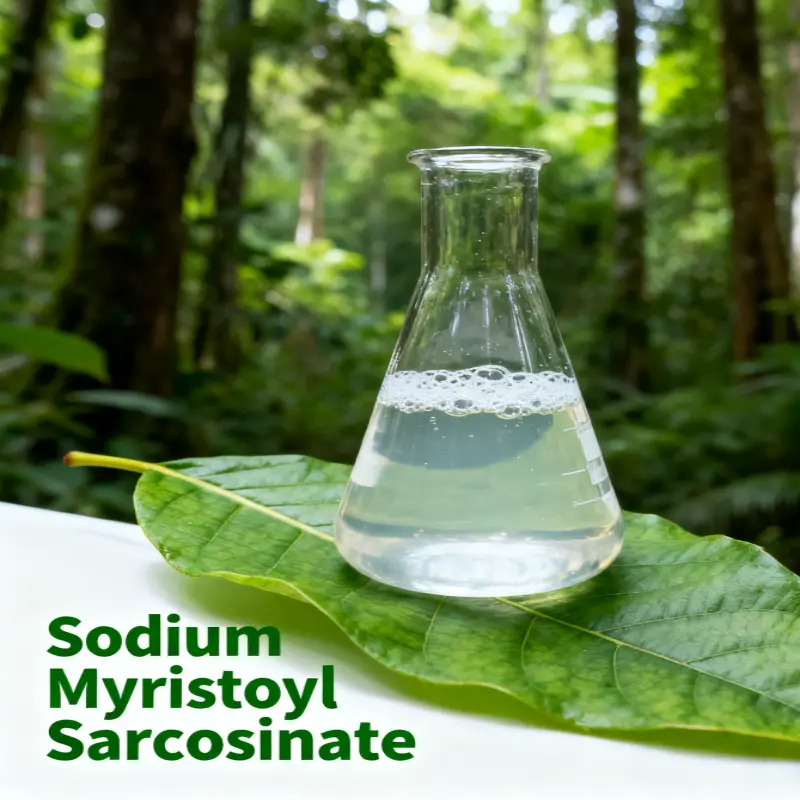
Tailored surfactant solutions structured to comply with Canadian regulatory framework and regional manufacturing environments.
Driving the evolution of sustainable surface-active compounds and next-generation green chemistry.
Replacing standard alkyl quaternary ammonium chlorides with highly biodegradable ester-linked analogs. This molecular adjustment preserves conditioning efficacy while increasing the rate of biological decay in sewage treatment systems, aligning with strict environmental bylaws in the Great Lakes region.
Developing molecular complexes that encapsulate cationic conditioning agents inside stabilized lipid vectors. This system allows for slow, targeted release on active surfaces, maximizing raw material utilization and allowing brand owners to claim long-lasting conditioning benefits.
Deploying machine learning models to predict batch compatibility profiles. By cross-referencing viscosity thresholds and charge densities, we deliver optimized starting formulations for our customers in Toronto, dramatically reducing R&D cycles.
Supplementary surfactants and stabilizing ingredients designed to round out professional B2B formulations.
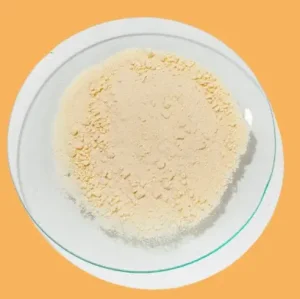
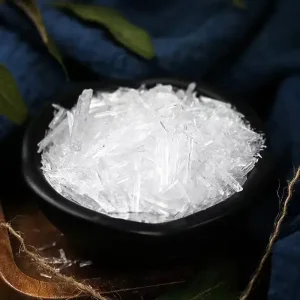

We assure you that our products originate from well-managed, sustainable, and strictly audited resources.
Offering a complete portfolio of anionic, cationic, amphoteric, and nonionic surfactants to simplify your supply chain sourcing.
Equipped for full OEM and ODM customization, supporting custom active concentration targets, pH adjustments, and viscosity profiles.
Direct factory pathways ensure optimal pricing structure, helping scale formulation cost efficiency without sacrificing chemical purity.
Streamlined manufacturing schedules aligned with global container carriers to guarantee consistent, on-time arrivals.
Critical engineering insights for formulation design, safety compliance, and shipping logistics.
Yes. We systematically verify that our surfactant range, including our primary quaternary ammonium compounds and conditioners (such as Polyquaternium-7, CAS 26590-05-6, and BKC, CAS 139-07-1), is fully registered on Canada's Domestic Substances List (DSL). For newly engineered specialties, we provide comprehensive technical dossiers to assist in any necessary New Substances Notifications (NSN) required by Environment and Climate Change Canada (ECCC).
Cationic surfactants like DDBAC or concentrated alkyl amines can undergo phase separation or crystallization (reaching their krafft point or cloud point) when stored below 5°C. We optimize our shipping schedules to include temperature-controlled containers or advise local Toronto warehouses to maintain storage environments above 15°C. For winter deliveries, we can incorporate mild glycol-based freeze-thaw stabilizers into custom bulk solutions.
Standard maritime transit from our facilities to the Port of Montreal ranges between 28 to 35 days, followed by a rapid 2-day rail transit directly to Toronto's major intermodal terminals. From receipt of order to final delivery at your facility in Brampton, Mississauga, or Vaughan, we recommend planning for a total window of 45 to 50 days, which includes customs clearance.
Direct mixing of cationic and anionic surfactants generally results in the precipitate formation of an insoluble cat-anionic salt due to charge neutralization. However, stable formulations can be achieved by using amphoteric surfactants (such as Cocamidopropyl Betaine, CAB-35) or nonionic surfactants as bridges, or by carefully selecting polymeric cationics with low charge density (such as certain grades of Polyquaternium-10) that can coexist with mild anionic surfactant networks.
Keeping you updated on regional compliance trends, next-generation formulations, and chemical innovation.
Select surfactant bases, organic acids, and performance additives for high-scale industrial synthesis.