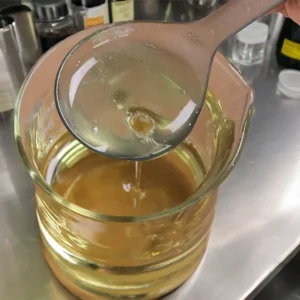

High-efficiency thickeners and cationic active ingredients designed to elevate viscosity control and conditioning performance.
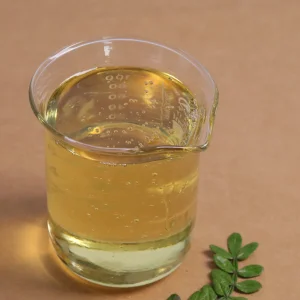
The Greater Moscow area, including major chemical clusters in Dmitrov, Podolsk, and Stupino, serves as the economic epicentre for Russia’s personal care, household care, and industrial disinfection sectors. As local manufacturers scale up production to meet domestic and Eurasian Economic Union (EAEU) consumer demands, the search for highly compatible cationic surfactants has hit an all-time high. Key industry segments demand surfactant formulations that not only deliver superior conditioning, emulsification, and antistatic properties but also comply with regional ecological and manufacturing standards.
Cationic surfactants, characterised by their positively charged hydrophilic head groups, play an irreplaceable role in industrial chemistry. Unlike anionic options, they possess a strong affinity for negatively charged substrates like keratin (hair/skin), synthetic polymers, and biological membranes. This unique electrostatic behavior renders them crucial for conditioning agents, fabric softeners, asphalt emulsifiers, and industrial microbicides.
Supply Chain Security in focus: With global chemical trade patterns adjusting rapidly, Moscow-based factories require highly reliable supply partners who can guarantee consistent batches, offer tailor-made chemical active concentrations (e.g. 35%, 50%, 85%, to 95%+ powders), and assist in complex recipe adjustments to offset raw material variations.
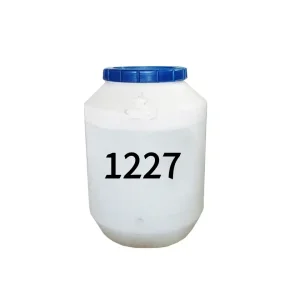
Within the cosmetic and industrial sectors of the Moscow Oblast, formulations relying on ingredients like Dodecyl Dimethyl Benzyl Ammonium Chloride (DDBAC / BKC 1227) serve as the frontline defense in sanitization. These biocidal cationic surfactants disrupt the lipid membranes of bacteria and enveloped viruses, making them vital components in agricultural cleaning formulations, hospital-grade disinfectants, and industrial water treatment facilities. Similarly, conditioning polymers like Polyquaternium-7 and Polyquaternium-10 offer targeted deposit capabilities, optimizing the sensory profile of hair care lines developed by local brands.
Procuring raw materials for Northern climates involves managing unique ecological and physical-chemical profiles.
Moscow’s sub-zero winter storage environments demand surfactants that maintain phase integrity. Our cationic polymer and surfactant solutions are tested to sustain physical properties without crystallization or irreversable separation under low ambient temperatures.
Global buyer specifications prioritize raw materials with positive environmental profiles. Transitioning traditional dialkyl quaternaries to readily biodegradable alternatives, such as esterquats, minimizes environmental footprints in sewage systems.
Blending cationic compounds directly with anionic systems can lead to precipitation. Our technical service team helps formulators select appropriate non-ionic and amphoteric co-surfactants (like APG0810 or Cocamidopropyl Betaine) to ensure thermodynamic stability.
How our surfactants serve specialized manufacturing lines in the Moscow Oblast and beyond.
In modern cosmetics factories, the demand for gentle conditioners has displaced basic quaternary salts. Adding cationic polymers like Polyquaternium-7 (CAS 26590-05-6) or Polyquaternium-10 (PQ-10) to hair care formulas helps repair damaged strands by neutralizing static charges. Combining these with mild amino acid surfactants (e.g., Sodium Lauroyl Sarcosinate) produces smooth, high-foaming systems that appeal to conscious consumers.
Commercial laundries and home care manufacturers rely on cationic surfactants to formulate softeners. These molecules coat fabric fibers, providing a smooth finish and reducing static build-up. Using concentrated softeners saves resources in transport and packaging, aligning with modern industrial efficiency goals.
For municipal water treatment and cooling systems, Dodecyl Dimethyl Benzyl Ammonium Chloride (BKC 1227) acts as an effective biocide and algicide. It penetrates biofilm barriers in piping systems, ensuring process security in high-throughput food processing and chemical synthesis plants.
The surfactant industry is moving rapidly toward sustainable, bio-based alternatives. Industrial R&D departments focus on replacing petrochemical raw materials with renewable plant oils, such as coconut or palm kernel derivatives. Green chemistry advances, such as amino-acid-based surfactants and natural thickeners (e.g., PEG-150M), help formulations comply with stricter eco-label guidelines.
Additionally, processing technologies now emphasize cold-emulsification. Surfactant blends that disperse efficiently at room temperature help plants lower energy consumption during manufacturing. This technological shift helps companies control carbon outputs and reduce utility overheads.
Our R&D Commitment: We actively upgrade our manufacturing methodologies to produce high-purity cationic monomers and blends that minimize free amine residues, optimizing dermatological profiles for sensitive skin applications.
Direct technical and operational answers to common inquiries from our procurement partners in Moscow.
Our Dodecyl Dimethyl Benzyl Ammonium Chloride is highly tolerant to water hardness. It retains biocidal activity and surfactant performance in water containing elevated calcium and magnesium ion concentrations, making it suitable for standard industrial water loops without requiring softeners.
While Cocamide DEA (6501) is a traditional alkanolamide thickener, CMMEA (Coconut Methyl Monoethanolamide) offers enhanced thickening efficiency, particularly in sulfate-free personal care formulations. CMMEA remains liquid at room temperature, making cold-mix processing easier, and is free of nitrosamine risks.
Yes. While cationic polymers and anionic surfactants can form complexes, Polyquaternium-7 and Polyquaternium-10 are engineered to form clear, stable shampoo and shower gel mixtures. They require correct addition sequencing and amphoteric co-surfactants to prevent hazing or phase separation.
Every shipment is accompanied by a Certificate of Analysis (COA) specifying active matter percentage, free amine levels, pH, and density. Technical Data Sheets (TDS) and safety data sheet (SDS) compliant with GHS standards are provided to facilitate smooth customs clearing and manufacturing integration.
Yes, we specialize in customization. For example, we offer Sodium Cocoyl Isethionate in both 85% powder and custom physical forms, and supply liquid surfactants at customized dilutions to help clients skip intermediate dilution steps in production.
Explore our complete selection of anionic, cationic, and amphoteric daily chemical ingredients.