Engineered to comply with stringent US regulatory frameworks. High-active, stable chemistries supplying critical manufacturing hubs from coast to coast.
The domestic landscape for cationic surfactants in the United States has entered an era defined by high specialization, local distribution speed, and critical regulatory hurdles. Widely utilized for their positive surface charges, these compounds represent the backbone of anti-static formulations, fabric softeners, hair conditioners, oilfield drilling operations, and environmental remediation projects across North America.
Unlike their anionic counterparts, cationic surfactants possess unique adsorption properties. At the molecular scale, they readily bind with negatively charged surfaces—such as human hair protein, natural textile fibers, mineral particulates, and cellular membranes of pathogens. This selective binding capability drives their high demand in the American personal care market, water treatment sector, and oil extraction industry (particularly in the Permian Basin and Marcellus Shale regions where corrosion inhibition and biocidal control are paramount).
Procurement trends in the US highlight a shifting preference toward localized raw-material channels. Disruptions in transatlantic and transpacific shipping lines have compelled American manufacturers to seek reliable, agile chemical partners. Businesses now prioritize partners who offer robust regional supply chain access, compliance with local EPA standards, and the capacity to deliver high-purity chemistries under demand-driven schedules.

Understanding the molecular architecture and application-specific performance of Cationic Surfactants.
The standard-bearer for hard-surface disinfection and fabric softening. Compounds like Benzalkonium Chloride (BKC) and Cetrimonium Chloride (1631) provide potent biocide activity by disrupting microbial lipid bilayers. Adheres efficiently to fibers, neutralizing negative electrostatic charges.
Exemplified by Polyquaternium-7 and Polyquaternium-10. Designed for high molecular weight and dense charge distributions. These polymers form cohesive, microscopically thin films over keratin fibers, delivering outstanding wet combability and structural repair in premium salon formulations.
Synthesized with ester linkages inside the hydrocarbon chains. Represents the modern sustainable shift in the US chemical industry. These compounds break down rapidly in municipal wastewater facilities, aligning perfectly with clean beauty standards and strict EPA clean water policies.
Strict monitoring of alkyl chain length distribution and low free amine residuals. This step minimizes potential skin irritation and maintains consistent Critical Micelle Concentration (CMC) parameters.
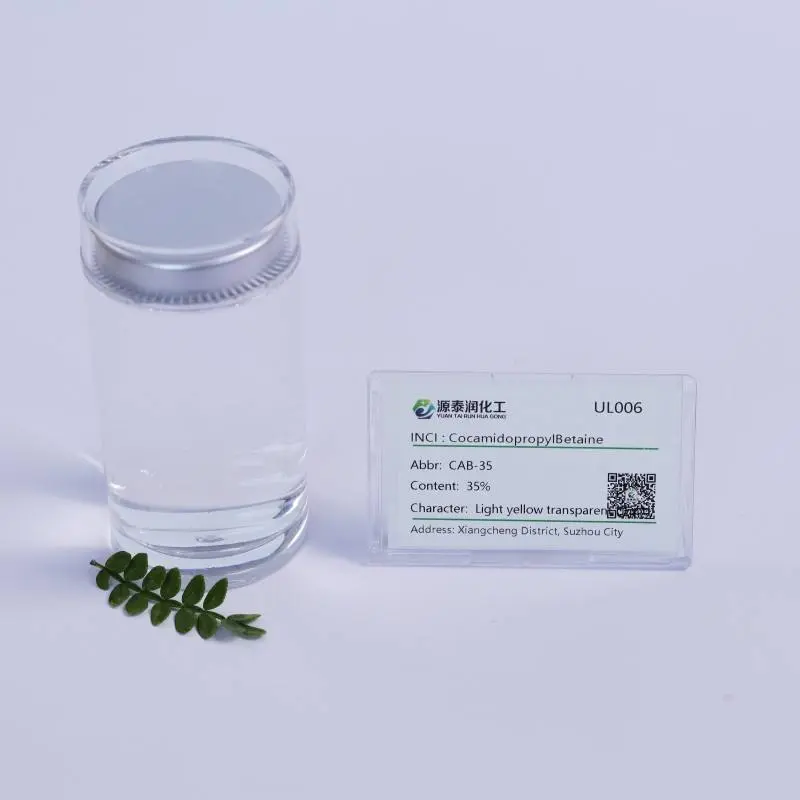
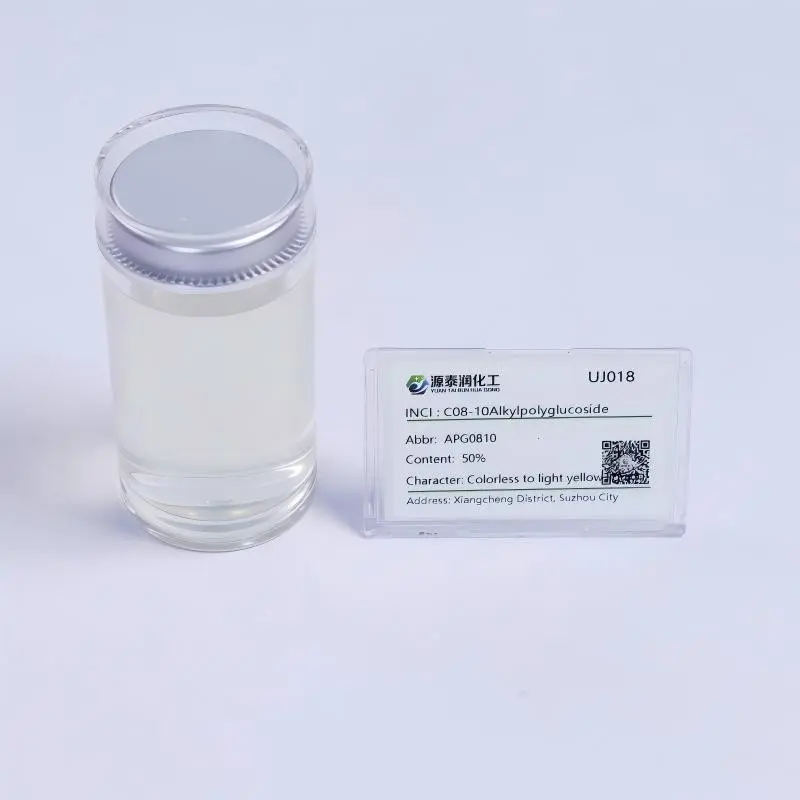
Overcoming classical cationic-anionic incompatibility. By utilizing non-ionic stabilizers like APG and amphoteric surfactants like Cocamidopropyl Betaine (CAB-35), chemists can formulate clear, high-foaming products without precipitation.
Advancing raw materials sourced from renewable plant starches and coconut derivatives. Meeting the needs of cosmetic and agricultural firms targeting 100% natural index labeling.
Operating under our globally recognized brand and backed by state-of-the-art chemical processing lines, Suzhou Yuantairun Chemical is a leading global supplier of raw chemical materials. We offer highly tailored, one-stop solutions designed to streamline our client's manufacturing and supply chain pipelines. From custom synthesis in our advanced R&D laboratories to bulk overseas supply networks, we deliver the precision and consistency that modern industrial formulations demand.
Our commitment to sustainability and quality assurance underpins all of our operations. We work in tandem with US distributors and direct purchasers to ensure our catalog seamlessly integrates into domestic storage facilities, providing just-in-time delivery for sensitive operations.

Providing high-performance, cost-effective solutions for various sectors across the United States.
Application: Industrial, Medical & Institutional Cleaning
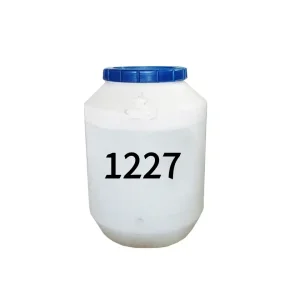
Solution: Formulations built around our high-activity Dodecyl Dimethyl Benzyl Ammonium Chloride (DDBAC/BKC 1227). Delivers outstanding antimicrobial, antistatic, and algaecidal properties, perfect for hospital and industrial surface sanitizers across the US.
Application: Personal & Hair Care Products
Solution: Utilizing Polyquaternium-7 and Polyquaternium-10 as primary conditioning agents. They deposit smoothly on hair cuticles, providing high wet-combability, detangling, and frizz control without buildup.
Application: Consumer Laundry & Fabric Care
Solution: Formulated with advanced biodegradable cationic surfactants and optimized thickeners. These ingredients provide exceptional softness and static control, meeting consumer demands for green chemistry.
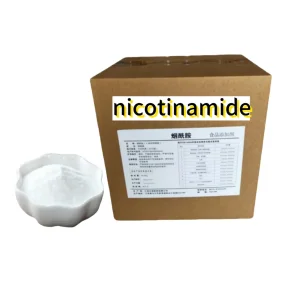
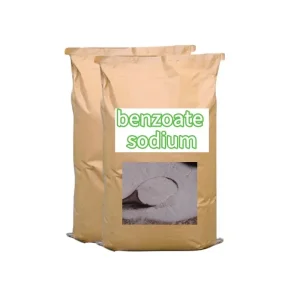
A comprehensive range of high-purity surfactants, thickeners, vitamins, and preservatives for all formulation requirements.
Navigating the United States regulatory landscape demands a rigorous compliance framework. At Suzhou Yuantairun Chemical, we prioritize quality assurance and product safety for our partners in the North American market.
Our raw materials comply with essential regulatory standards, including:
By coordinating with established US logistics networks, we provide reliable bulk distribution and localized customer support, helping you secure a stable chemical supply chain.
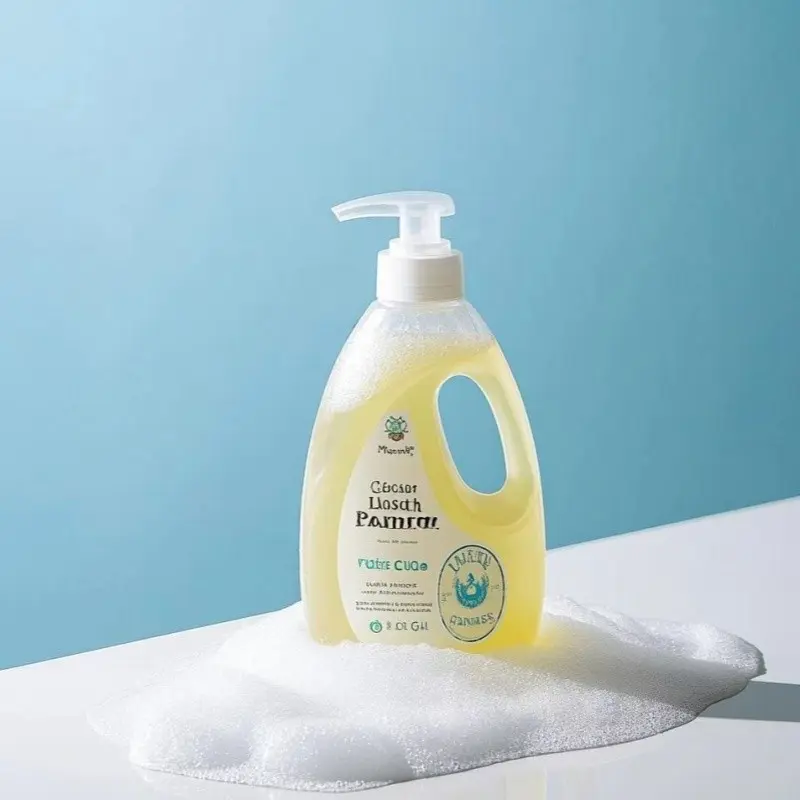
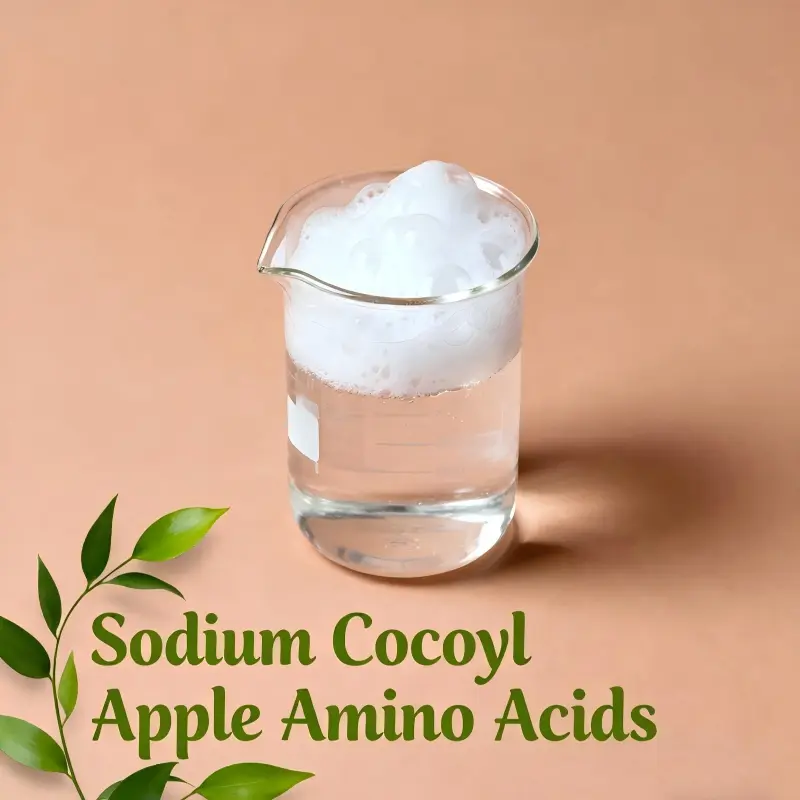
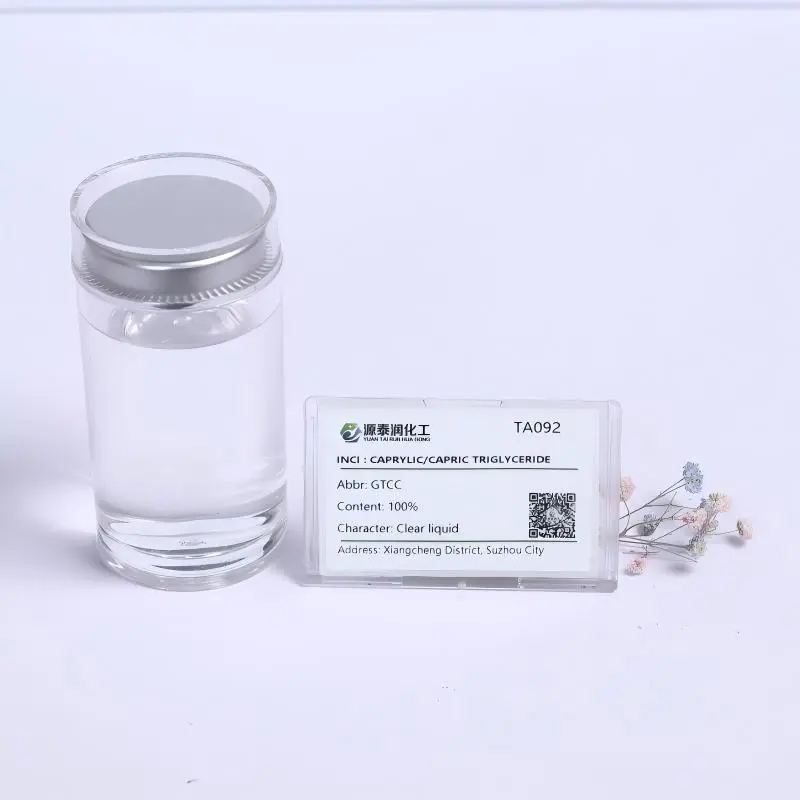
Our hot products portfolio features essential co-surfactants, mild amino acid foaming agents, and stabilizing thickeners.
Get customized packaging, volume discounts, and comprehensive formulation support.
Expert insights into formulating, importing, and optimizing cationic surfactant mixtures.
In the US market, cationic surfactants are extensively used in personal care formulations (such as hair conditioners and anti-static styling aids), household fabric softeners, industrial cleaners, oilfield corrosion inhibitors, and agricultural pesticide formulations to improve droplet adhesion.
Because they carry opposite electrostatic charges, mixing cationic and anionic surfactants directly in a solution typically results in a charge-neutralized complex that precipitates out. To prevent this, formulators use amphoteric co-surfactants (like Cocamidopropyl Betaine) or non-ionic emulsifiers (like APG) to stabilize the micellar system.
We work closely with local distributors and freight specialists to ensure all supplied raw materials comply with the EPA's TSCA inventory. We also provide full documentation, including SDS, COAs, and technical specification sheets, to facilitate seamless customs clearance and quality auditing.
While traditional quaternary ammonium compounds (like cetrimonium halides) can persist in aquatic environments if untreated, modern formulations are moving toward esterquats. These compounds feature internal ester links that undergo rapid hydrolysis, drastically reducing their toxicity profile in municipal water systems.